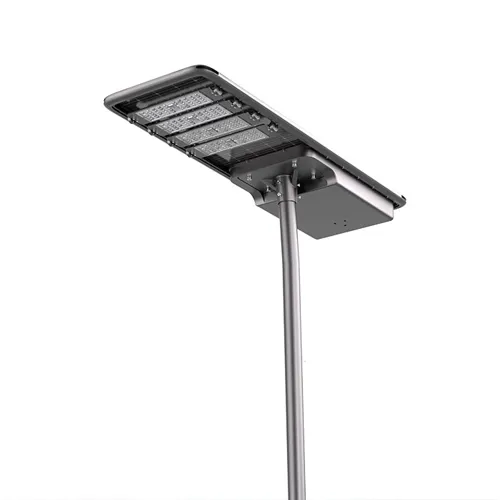
Integrated Solar Street Light Bifacial Panel QM Series 40W–150W
QM bifacial integrated solar street light delivers 180–220 lm/W and up to 25% additional solar capture for municipal road projects under suitable site conditions.
- 21.8% bifacial panel collects direct and ground-reflected sunlight
- Six 40W–150W models deliver 7,200–33,000 lm for recommended 6–15m poles
- All-in-one housing reduces external wiring and roadside installation steps
- 12.8V 30–96Ah LiFePO₄ batteries use MPPT-controlled charging
- IP66/IK09 aluminium housing protects against dust, water and impact
40W–150W Integrated Solar Street Light with Bifacial Panel and IP66 Aluminum Housing
The QM Series is a pole-mounted integrated solar street light for municipal roads, residential areas and public lighting projects. Its 21.8%-efficient bifacial solar panel collects direct sunlight on the front and reflected light on the rear, providing additional charging energy when local sunlight, ground reflectivity and installation conditions are suitable.
The LED module delivers 180–220 lm/W across the 40W–150W range and is recommended for mounting heights from 6m to 15m. The IP66 aluminium housing helps protect the LiFePO₄ battery and internal components from dust and water ingress, while the battery stores daytime solar energy for nighttime operation.
The six QM models use matched solar-panel, battery and light-output configurations. The Technical Specifications allow buyers to compare the available models before the final selection is checked against the road width, pole height and project lighting requirements.
Integrated Solar Street Light Bifacial Panel QM Series 40W–150W Technical Specifications & Datasheet
| Model | QM | |||||
| Watts(w) | 40W | 60W | 80W | 100W | 120W | 150W |
| Lumens Output(lm) | 7200-8800LM | 10800-13200LM | 14400-17600LM | 18000-22000LM | 21600-26400LM | 27000-33000LM |
| LiFePO₄ Battery(AH) | 12.8V 30AH | 12.8V 36AH | 12.8V 48AH | 12.8V 60AH | 12.8V 72AH | 12.8V 96AH |
| Solar Panel | 18V 80W | 18V 100W | 18V 120W | 18V 150W | 18V 180W | 18V 210W |
| LED Chip | Philips/Osram/USA Bridgelux | |||||
| CCT(K) | 2700-6500K(customized) | |||||
| CRI | >70 | |||||
| Lighting Efficiency | 180-220lm/w | |||||
| Rainy Days | 5-7 cloudy/ rainy days | |||||
| Work Temperature | -25℃-+65℃ | |||||
| Work Mode | Auto ON/OFF, Time Dimming and Motion Sensor — customizable according to project requirements, with or without a motion sensor. | |||||
| Material | Aluminium alloy | |||||
| Pole Upper Diameter | φ70-φ76mm | |||||
| Controller | MPPT | |||||
| IP Rating/IK Class | IP66/IK09 | |||||
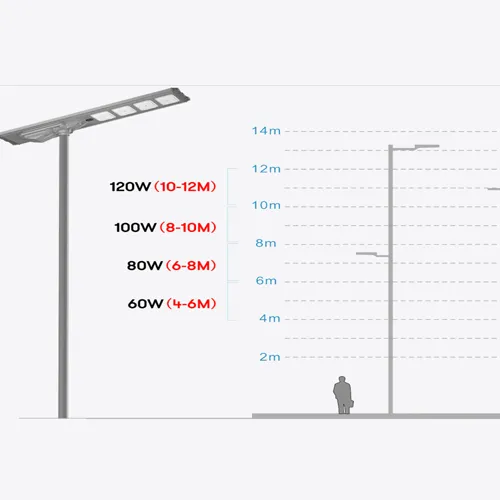
| Mounting Height(Recommend) | 6-8m | 6-8m | 8-12m | 10-12m | 10-15m | 10-15m |
| Space between Poles(Recommend) | 25-35m | 25-35m | 25-40m | 30-40m | 30-40m | 30-50m |
| Warranty | 5 Years | |||||
Still Choosing Solar Street Lights by Wattage Alone?
Compare six QM models from 40W to 150W, combining 21.8% bifacial panels with 7,200–33,000 lm output.
QM Series 40W–150W Bifacial Solar Street Light with 21.8% Efficient Panel Video
Integrated Solar Street Light Bifacial Panel QM Series 40W–150W Project & Application Cases
The QM Series is designed for municipal roads, residential communities, industrial parks, parking areas, ports, campuses, public squares, and park pathways. Its bifacial solar panel receives direct sunlight on the front and reflected light on the rear, making open locations with limited shading and reflective surroundings particularly suitable.
40W–60W | Community and access lighting
These models provide a practical starting range for residential streets, community roads, pedestrian paths, park routes, campus access roads, and similar areas with moderate lighting requirements. Final selection should still consider the road width, required illuminance, nightly operating hours, and dimming schedule.
80W–150W | Wider roads and public areas
These configurations can be considered for secondary roads, commercial areas, industrial access roads, intersections, parking areas, ports, and wider municipal streets. Higher wattage alone does not guarantee a better result; light distribution, pole arrangement, spacing, and roadway uniformity must also be checked.
Site conditions that support rear-side energy capture:
- Open surroundings with minimal shading on both sides of the panel
- Concrete, light-colored paving, sand, or other surfaces that reflect light toward the rear side
- Adequate rear-side exposure without nearby trees, walls, cables, or structural parts blocking reflected light
- Local solar radiation and seasonal ground conditions reviewed before the battery and power program are finalized
The recommended mounting height for the QM Series is approximately 6–15m, with preliminary pole spacing of around 25–50m. These ranges are intended for early project planning rather than final lighting design. The confirmed spacing should be checked against the selected model, road width, pole arrangement, target illuminance and uniformity, optical distribution, working schedule, and required backup days.
For projects in Saudi Arabia, the UAE, Oman, the Philippines, Kenya, Nigeria, Senegal, and Côte d’Ivoire, Sungreat Energy can review the LED power, battery capacity, charging margin, operating program, and preliminary lighting layout according to local solar conditions, temperature, rainy season, ground reflectivity, and road requirements.
Actual bifacial energy gain is not a fixed percentage. It varies with solar irradiation, ground reflectivity, rear-side shading, installation geometry, and surrounding site conditions.
For documented installation photos, project quantities, locations, and technical configurations, visit our Project Cases.


Integrated Solar Street Light Bifacial Panel QM Series 40W–150W Production Process
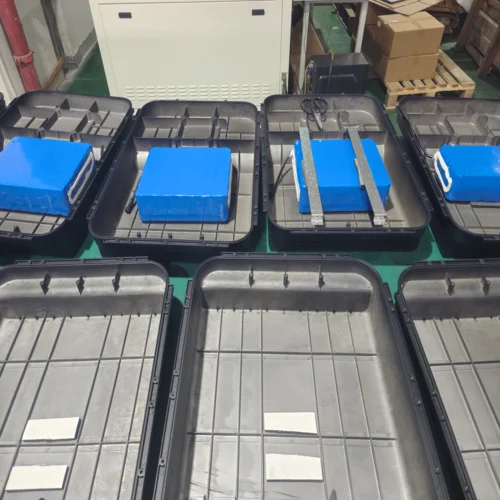
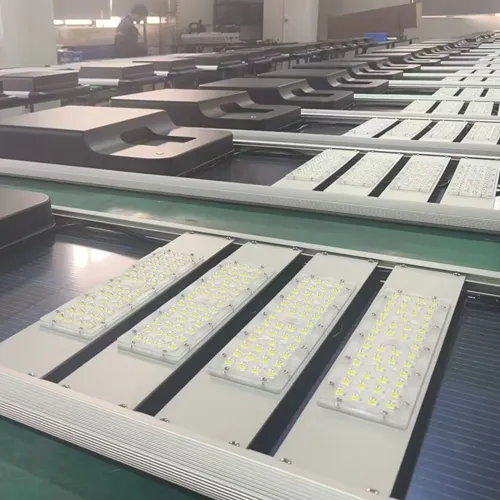
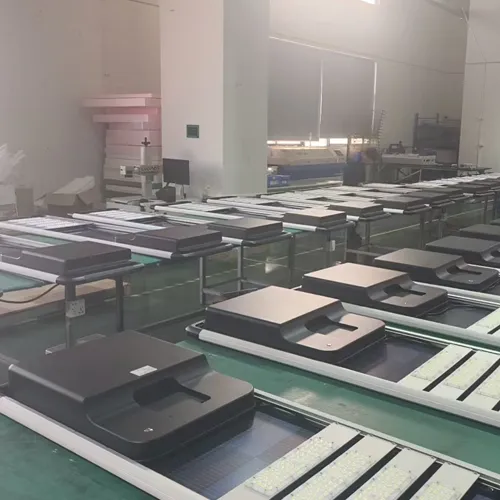
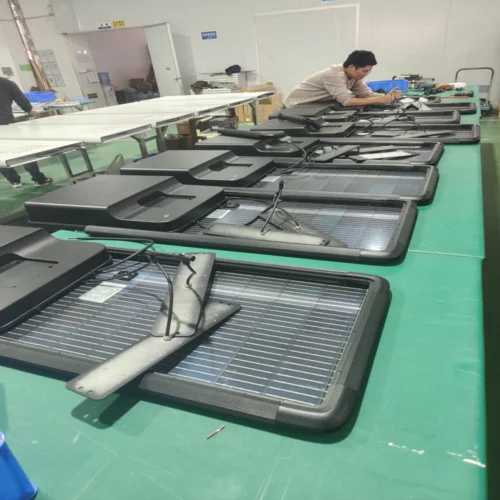
QM production follows the approved model configuration and project requirements from component matching through shipment release. The objective is to keep the finished lamps, accessories, inspection records, and order quantity consistent with what was confirmed before production.
| Production stage | Work and checks | Project value |
|---|---|---|
| Approved configuration and component matching | Depending on the approved QM model, the system combines a 40W–150W LED module, an 18V 80W–210W bifacial solar panel, a 12.8V 30Ah–96Ah LiFePO4 battery, and an MPPT controller. Battery cells are matched by voltage and internal resistance. LED chips, optical lenses, wiring, and structural parts are checked before assembly. | Helps prevent electrical, optical, and structural components from being mixed between different wattage models. |
| Assembly and finished-lamp functional checks | After assembly, each finished lamp is checked for solar-charging operation, automatic dusk-to-dawn switching, programmed time dimming, controller status indicators, and basic electrical operation. Motion-sensor response is checked when the approved configuration includes this option. | Identifies wiring, control-setting, and optional-function issues before packing. |
| Sampled reliability and optical checks | Selected units undergo a 48-hour functional aging test. Waterproof verification and integrating-sphere testing are carried out as sampled checks according to the approved quality-control plan and project requirements. The corresponding results are recorded before shipment. | Provides batch-level records for operating stability, waterproof verification, and measured optical performance. |
| Final order verification | Before packing, model labels, product dimensions, mounting interfaces, accessories, and ordered quantities are checked against the approved order details. | Reduces model mix-ups, missing accessories, and installation delays at the project site. |
| Project inspection and handover | For municipal, EPC, and tender projects, a project-specific Inspection and Test Plan can define inspection stages, sampling methods, hold and witness points, acceptance criteria, required test records, and shipment-release documents. IES files, datasheets, inspection records, product photos, packing details, and agreed compliance documents can also be prepared for technical approval and project handover. | Gives project teams a traceable basis for inspection, approval, and shipment release. |
Standard wholesale production normally takes about 15–22 days, depending on the confirmed order quantity and customization requirements. Transit time is separate and should be confirmed under Packaging & Delivery.
Based on Sungreat Energy’s annual internal after-sales records, the reported after-sales issue rate remains below 0.2%.


Integrated Solar Street Light Bifacial Panel QM Series 40W–150W Overview & Details
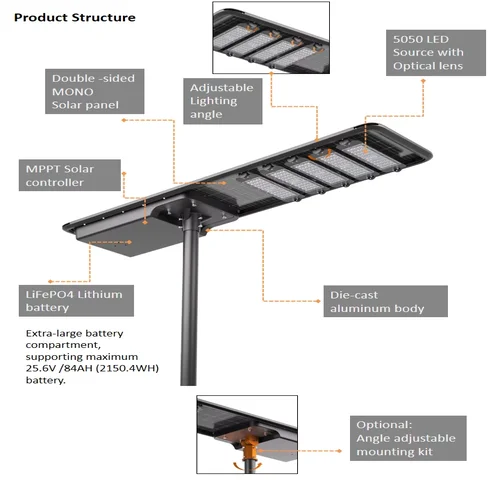
The QM Series combines a 21.8%-efficient bifacial monocrystalline solar panel with an all-in-one road-lighting structure. The front surface receives direct sunlight, while the rear cells use reflected and ambient light. Concrete roads, light-colored paving, sand and other reflective surroundings can therefore contribute additional charging energy without requiring a larger integrated housing. Actual rear-side gain still depends on local solar irradiation, surface reflectivity, panel position and surrounding shade.
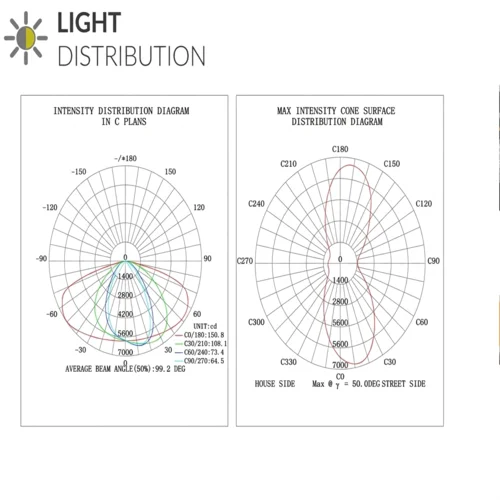
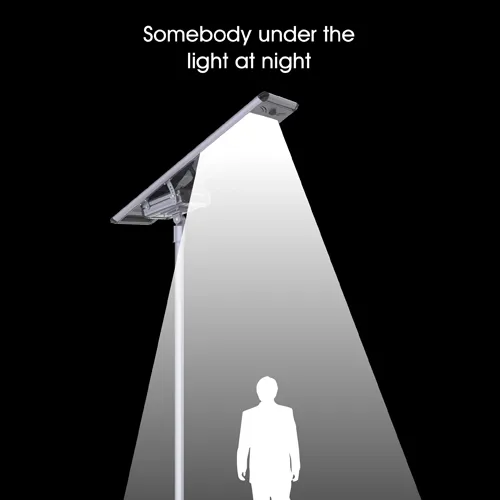
The SMD5050 LED module can be configured with Philips, Osram or Bridgelux chips, subject to the confirmed order, and provides an estimated luminous efficacy of 180–220 lm/W across the 40W–150W range. A roadway lens directs the light along the road instead of concentrating it only beneath the pole. The current photometric reference shows an average beam angle of approximately 99.2°, while up to 150° of vertical adjustment helps adapt the lamp position to different pole locations and road layouts.
Road width, mounting position, pole spacing and target lux can still change the final lighting result. For municipal and EPC projects, illuminance and uniformity should therefore be checked using the IES file for the selected QM model and the actual road geometry.
Energy collection and storage are matched to each model rather than using one common internal configuration. The QM40 combines an 18V 80W solar panel with a 12.8V 30Ah LiFePO₄ battery, while the QM150 increases to an 18V 210W panel and a 12.8V 96Ah battery. The intermediate models scale between these configurations, with an MPPT controller managing solar charging and programmable time dimming controlling nighttime energy consumption.
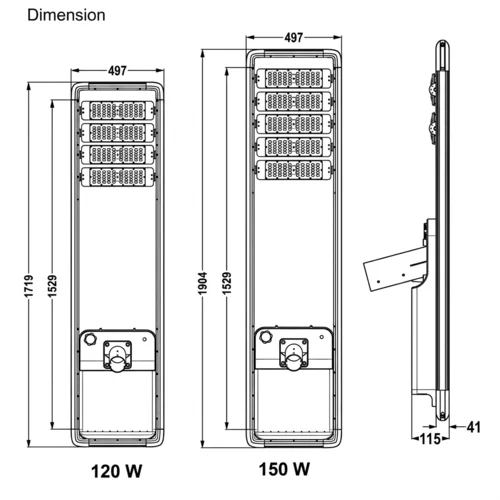
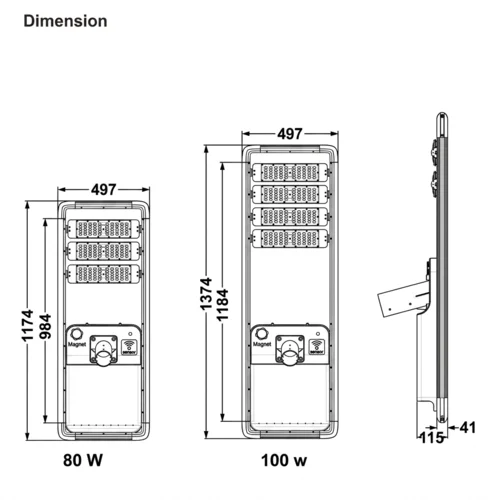
The die-cast aluminium housing keeps the battery, controller and protected wiring accessible for inspection and replacement of serviceable components. The enclosure is rated IP66/IK09 and connects to Ø70–76mm pole tops. As the housing dimensions vary across the six QM models, the selected model drawing should be checked before confirming the pole interface and installation details.
Integrated Solar Street Light Bifacial Panel QM Series 40W–150W Packaging & Delivery
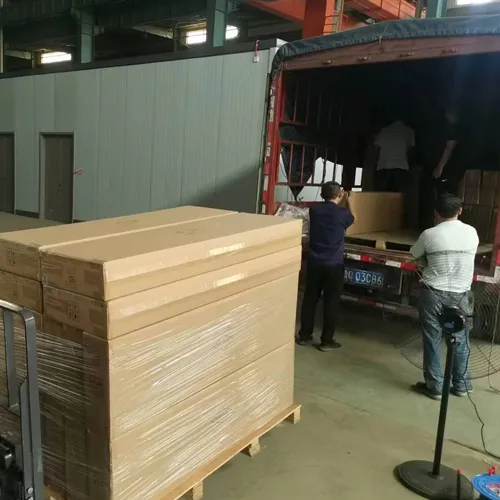
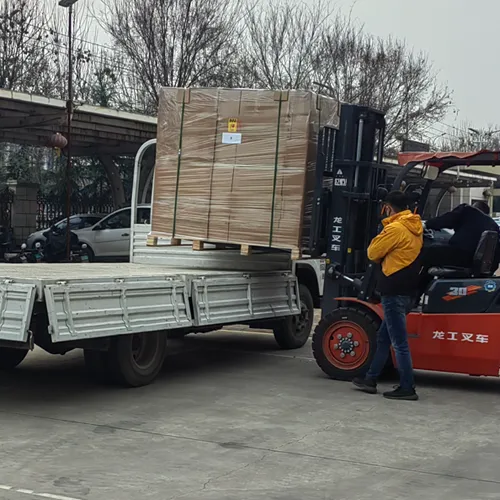
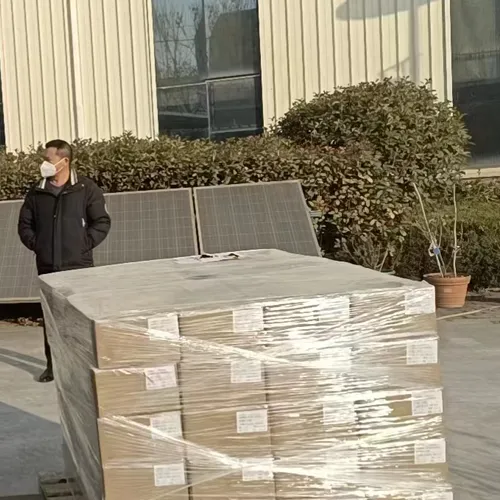
QM Series packing is arranged according to the confirmed model mix and order quantity, from evaluation units to mixed-wattage municipal project shipments. Each 40W–150W light is secured with model-matched protective foam and a reinforced export carton. The cushioning protects the bifacial solar panel, optical lens, aluminium housing and Ø70–76mm mounting interface from movement, scratching and compression during handling and international transport.
For orders containing different wattages, carton labels identify the model, rated power and quantity, allowing distributors and EPC teams to sort the lamps without repeatedly opening the cartons. Before dispatch, the carton count, mounting accessories, product labels and packing list are checked against the approved order.
Datasheets, model-specific IES files, inspection records, packing documents and agreed spare parts can also be prepared for technical approval and project handover. For shipments containing the integrated LiFePO₄ battery, the applicable packaging, battery labels and transport documents are confirmed according to the selected carrier and freight route.
Standard bulk production normally takes approximately 15–22 days, depending on the order quantity and customization requirements. Indicative transport time is around 10–14 days by an approved air-freight route or 30–45 days port-to-port by sea.
These transport references do not include every export clearance, import clearance or inland-delivery stage. The final schedule depends on the destination, battery-cargo acceptance, carrier availability and customs arrangements. Sample orders, mixed-model trials and large project shipments can therefore use different packing and delivery plans.


FAQ of Integrated Solar Street Light Bifacial Panel QM Series 40W–150W
Bifacial panels generate electricity from direct sunlight on the front and reflected light reaching the rear. The QM Series uses a 21.8%-efficient bifacial panel. Under suitable site conditions, it can generate up to 25% more daily solar energy than a conventional single-sided panel, giving the battery more energy for charging without increasing the overall lamp size.
Compared with traditional split systems, the all-in-one design combines the solar panel, LiFePO₄ battery, LED module and MPPT controller in one fixture. This reduces external wiring and on-site installation work for municipal roads, residential communities and other off-grid lighting projects. Actual bifacial gain still depends on ground reflectivity, shading and the installation position.
The best results come from open sites where the front receives direct sunlight and reflected light can reach the rear cells. The type of road alone does not determine the additional energy gain; the surrounding surface and shading conditions are equally important.
| Site condition | What it means for the bifacial panel |
|---|---|
| Concrete roads, light-colored paving or dry sand | More reflected light can reach the rear cells |
| Open roads, parking areas, industrial parks, campuses or public spaces | Good potential when trees, buildings and signs do not shade the panel |
| Dark asphalt, nearby walls or heavy tree cover | Less rear-side input, so the additional energy gain may be limited |
Before final selection, check the local solar irradiation, ground surface, panel position and rear-side obstruction. These conditions determine whether a bifacial panel can provide a meaningful advantage at the project site.
Not always. A larger battery can store more energy, but it only improves reliability when the solar panel, LED load and lighting program are properly matched. If the panel cannot replace the energy consumed each night, increasing the battery capacity alone may simply increase the time required to recharge it after several cloudy days.
For example, the 40W QM model uses the following configuration:
Battery capacity: 12.8V × 30Ah = 384Wh nominal energy
Solar panel: 18V / 80W
Energy control: MPPT charging with programmable time dimming; motion sensor optional
The 384Wh figure represents nominal battery capacity, not the final usable nighttime energy. Controller protection limits, system losses, battery reserve and the programmed brightness schedule must also be considered.
For project selection, the calculation should begin with the actual nightly energy demand, including each brightness period—not just the rated lamp wattage. Local worst-season solar conditions, required operating hours, cloudy-day autonomy and daily recharging capacity should then be checked together. A balanced panel–battery–load combination is more reliable than simply choosing the largest battery.
The QM Series can be configured for approximately 5–7 cloudy or rainy days under the approved lighting program. This autonomy comes from the way energy collection, storage and nighttime consumption are managed as one system:
- Energy storage: Each model uses a matched 12.8V 30–96Ah LiFePO₄ battery to store daytime solar energy.
- Energy collection: An 18V 80–210W bifacial solar panel works with the MPPT controller to manage the available charging energy.
- Energy control: Programmable time dimming reduces output during lower-demand periods, while motion sensing can be added when required by the project.
During consecutive low-sun days, the confirmed lighting schedule reduces unnecessary energy consumption and helps extend the available battery energy across the required nights. The 5–7-day figure does not assume that the lamp operates at 100% output throughout every night.
Actual autonomy still depends on local solar irradiation, season, shading, nightly operating hours, brightness settings, sensor activity and battery condition. For municipal, EPC or tender projects, the final configuration should be checked against the project location and approved lighting schedule before production. If full output is required throughout the night, the solar panel, battery capacity or operating program may need to be adjusted.
No. The pole mounting, foundation work and commissioning process are generally the same as for a conventional all-in-one solar street light. The QM Series does not require separate solar-panel wiring or a complicated rear-side mounting structure.
The main difference is the site assessment. Because the rear cells also use reflected and ambient light, the following points should be checked before the pole position is finalized:
- Solar access: Keep both sides of the panel clear of trees, buildings, signs and utility poles. Seasonal changes in surrounding shade should also be considered.
- Rear-side exposure: Avoid positioning the lamp close to walls, billboards or other structures that block light from reaching the rear surface.
- Ground conditions: Concrete, light-colored paving and sand can provide better reflected-light conditions. Dark asphalt does not prevent normal operation, but the additional bifacial gain may be lower.
- Pole and layout: Match the selected QM model to its recommended 6–15m mounting range, road width and lighting layout. The pole interface should also match the required Ø70–76mm diameter.
- Structural safety: Confirm that the pole, bracket and foundation meet the local wind-load and civil-engineering requirements.
If the rear side is shaded, the front side can still generate electricity, but the expected bifacial gain will be reduced. The installation itself is therefore not more complicated; it simply requires more attention to pole position, surrounding shade and rear-side exposure.
Start with the road requirements, not only the wattage label. Road width, pole height, pole spacing, installation arrangement, target lux level, lighting uniformity, nightly operating hours and local solar conditions all affect the final choice.
The following table can be used for preliminary model selection:
| QM Model | Luminous Output | Recommended Height | Preliminary Pole Spacing | Typical Starting Point |
|---|---|---|---|---|
| 40W | 7,200–8,800 lm | 6–8m | 25–35m | Pathways, compounds and smaller residential roads |
| 60W | 10,800–13,200 lm | 6–8m | 25–35m | Community and residential roads |
| 80W | 14,400–17,600 lm | 8–12m | 25–40m | Secondary roads, industrial parks and parking areas |
| 100W | 18,000–22,000 lm | 10–12m | 30–40m | Municipal roads and commercial access roads |
| 120W | 21,600–26,400 lm | 10–15m | 30–40m | Wider municipal and industrial roads |
| 150W | 27,000–33,000 lm | 10–15m | 30–50m | Wide roads, intersections, ports and large public areas |
These figures are preliminary references rather than fixed installation rules. Increasing the wattage may make the area directly below each pole brighter, but it will not necessarily correct dark areas caused by excessive pole spacing or an unsuitable optical distribution.
The 150W model should also not be treated as an automatic choice for every highway. Multi-lane roads may require different optics, pole arrangements or lighting configurations even when the highest QM wattage is selected.
For municipal, EPC and tender projects, the final model should be checked with the relevant QM IES file and a DIALux simulation. Road drawings, pole positions, mounting height, target lux and uniformity, operating schedule and project location should be provided before the configuration is confirmed.
IES Report of Integrated Solar Street Light Bifacial Panel QM Series 40W–150W
Download the model-specific IES files below for preliminary lighting calculations. For municipal and EPC projects, send us the road width, pole layout, mounting height, target lux level and uniformity requirement for a customized DIALux simulation.
IES Report of Integrated Solar Street Light Bifacial Panel QM 40w
IES Report of Integrated Solar Street Light Bifacial Panel QM 60w
IES Report of Integrated Solar Street Light Bifacial Panel QM 80w
IES Report of Integrated Solar Street Light Bifacial Panel QM 100w
IES Report of Integrated Solar Street Light Bifacial Panel QM 120w
IES Report of Integrated Solar Street Light Bifacial Panel QM 150w
Related Products



Related News

When night falls, the brightness of solar street lights can make you feel safe. The shining street scene feels like […]
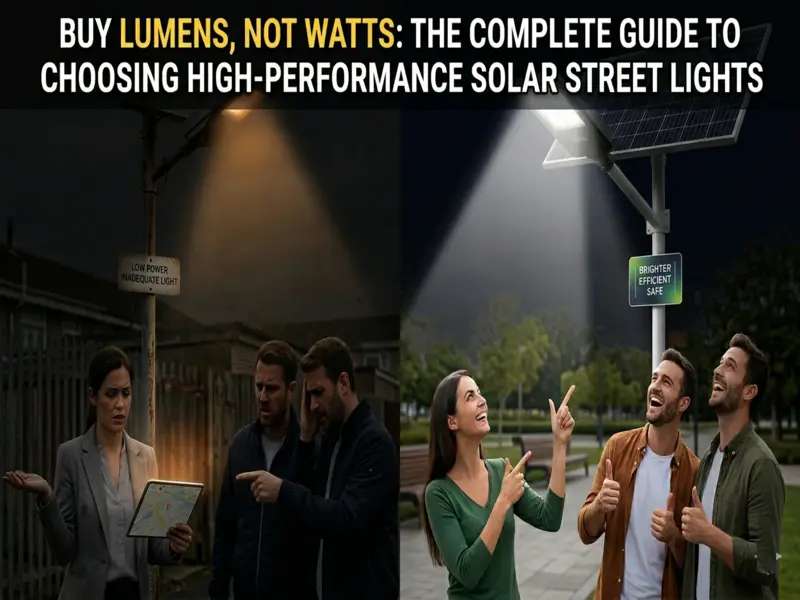
Solar street lights can be a daunting task for municipal engineers, property developers, and sustainability officers alike. On the surface, […]
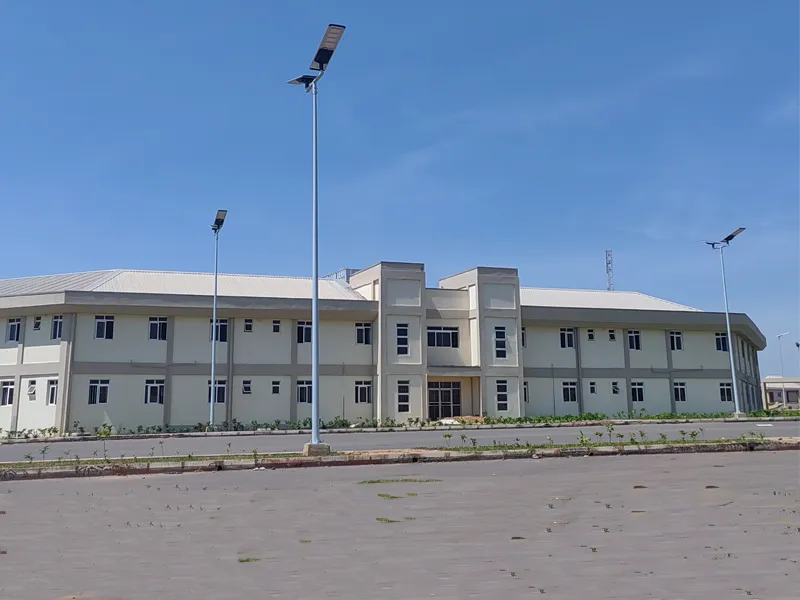
Empowering Urban Infrastructure with Smart, Sustainable Illumination through advanced solar lighting solutions by Sungreat Energy. 1. Project Overview The Spanish […]