




- Up to 22.45% module efficiency for space-constrained PV arrays
- 170W–580W power classes for distributed and commercial EPC systems
- 1,000 V / 1,500 V DC system classes for flexible string design
- 2 glass configurations, monofacial or bifacial, for site-specific layouts
- −40°C to +85°C operating range for varied project climates
Skip image slider


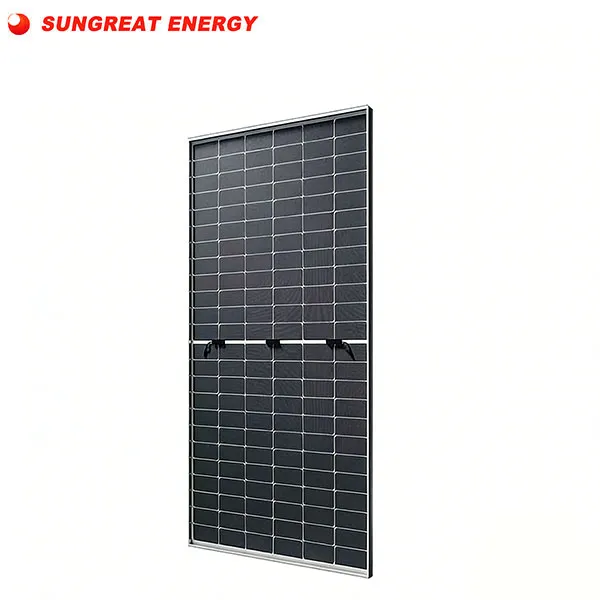
Showing Slide 1 of 5: 500W monocrystalline solar panel with black frame and high efficiency photovoltaic cells
Solar PV Panels 22.5% Efficiency SP Series N-Type TOPCon 5W-710W
Solar PV modules with N-Type TOPCon options, up to 22.45% efficiency, and 170W–580W power classes for commercial EPC projects.
Product Categories
Get A Free Quote
SP Series N-Type TOPCon Solar PV Panels for EPC Projects
Sungreat Energy’s SP Series is a configurable solar PV module platform for commercial rooftops, distributed off-grid systems and EPC projects. The seven configurations listed below range from 170W to 580W. N-Type TOPCon cells are specified for the 200W–580W models, with module efficiency reaching 22.45% on the listed 580W model. For the 170W option or a power class outside the table, confirm the approved model specifications before finalizing the cell technology and electrical design. Actual energy yield also depends on irradiation, temperature, shading, soiling and system layout.
Monofacial and bifacial glass configurations let buyers match the module to the mounting arrangement and available rear-side light. The 170W–280W models are listed with 1,000 V DC maximum system voltage, while the 430W–580W models are listed with 1,500 V DC. Before ordering, compare the selected module’s Vmp, Voc, Imp and Isc with the inverter’s MPPT range, maximum DC voltage and input-current limit.
For projects that need the PV array, inverter and LiFePO₄ storage planned together, the SY Series complete hybrid solar power system is a separate system option. Sungreat Energy can review the site layout and inverter model to confirm the selected module and string configuration.
Solar PV Panels 22.5% Efficiency SP Series N-Type TOPCon 5W-710W Technical Specifications & Datasheet
| Model | SP | ||||||
| Peak power (Pmax) | 170W | 200W | 280W | 430W | 480W | 530W | 580W |
| Max. power voltage (Vmp) | 18.90V | 19.350V | 22.38V | 32.56V | 35.39V | 39.18V | 43.43V |
| Max. power current (Imp) | 9.01A | 10.34A | 12.55A | 13.21A | 13.57A | 13.53A | 13.36A |
| Open circuit voltage (Voc) | 22.85V | 24.15V | 26.01V | 39.18V | 42.72V | 46.95V | 52.14V |
| Short circuit current (Isc) | 9.50A | 11.28A | 13.35A | 13.64A | 14.31A | 14.32A | 14.06A |
| Efficiency | 16.89% | 19.87% | 22.26% | 22.02% | 22.17% | 22.32% | 22.45% |
| Max. system voltage | 1000V DC | 1000V DC | 1000V DC | 1500V DC | 1500V DC | 1500V DC | 1500V DC |
| Series fuse rating | 15A | 15A | 15A | 25A | 25A | 25A | 25A |
| Number of bypass diodes | 2 | 2 | 2 | 3 | 3 | 3 | 3 |
| Operating temperature | -40°C to +85°C | ||||||
| Dimensions | 1480*680*35/30mm | 1480*680*35/30mm | 1722*765*35/30mm | 1722*1134*35/30mm | 1909*1134*35/30mm | 2094*1134*35/30mm | 2278*1134*35/30mm |
| Solar cells | 36 cells | 39 cells, TOPCon | 72 cells, TOPCon | 108 cells, TOPCon | 120 cells, TOPCon | 132 cells, TOPCon | 144 cells, TOPCon |
| Weight | 12kg, monofacial glass | 12kg, monofacial glass | 14kg, monofacial glass | 21kg, monofacial glass 24kg, bifacial dual glass |
23kg, monofacial glass 26kg, bifacial dual glass |
25kg, monofacial glass 29kg, bifacial glass |
27kg, monofacial glass 32kg, bifacial dual glass |
| Cable | Copper (4 mm²) | ||||||
| Cable Lengths | 900mm(+) and 900mm(-), or customized | 300mm(+) and 300mm(-), or customized | 300mm(+) and 300mm(-), or customized | 300mm(+) and 300mm(-), or customized | 300mm(+) and 300mm(-), or customized | 300mm(+) and 300mm(-), or customized | 300mm(+) and 300mm(-), or customized |
| Connector | MC4 Plug Types | ||||||
| Frame | Aluminium-alloy | ||||||
Get Your SP Series Solar Panel Quote
170W–580W | Up to 22.45% Efficiency | N-Type TOPCon Options | 1,000 V / 1,500 V DC System Options
How SP Series Solar PV Modules Are Made | Manufacturing & Quality Inspection
Solar PV Panels 22.5% Efficiency SP Series N-Type TOPCon 5W-710W Project & Application Cases
The SP Series covers 170W to 580W, but the highest wattage is not automatically the right choice for every project. The 170W, 200W and 280W models use 1,000 V DC system ratings and compact dimensions, which can work well in distributed off-grid packages, solar lighting, monitoring equipment and smaller battery-charging systems.
The 430W, 480W, 530W and 580W models use 1,500 V DC ratings and larger formats for commercial rooftops and ground-mounted arrays where higher capacity per module can reduce the number of modules required. Before final selection, EPC teams should check Vmp, Voc, Imp and Isc against the inverter’s MPPT range, maximum DC voltage and input-current limit, including the coldest expected site temperature.
Monofacial glass is generally more practical when the rear side is close to a roof, ground or other obstruction. Bifacial dual-glass modules can be considered for elevated ground mounts, carports and reflective surfaces, but the additional rear-side contribution depends on albedo, mounting height, row spacing, tilt and shading. Bifacial selection should therefore be based on the actual mounting arrangement rather than the front-side wattage alone.
For reference, Sungreat Energy has published a Nigeria distributed off-grid project using 100 independent 5kW systems and 1,000 × 550W monocrystalline PERC modules. This is a related PV system reference, not a confirmed deployment of the current SP N-Type TOPCon configurations. It illustrates the kind of system sizing, inverter matching and procurement detail EPC buyers may need to review when planning a new array. For a project quotation, provide the target DC capacity or module quantity, inverter model, MPPT range, maximum DC voltage, site location, mounting type and rear-side exposure.


Solar PV Panels 22.5% Efficiency SP Series N-Type TOPCon 5W-710W Production Process
Production starts with the approved materials and specifications for the selected SP model. The cells are matched, strung and laid out according to the confirmed power class, cell count and monofacial or bifacial construction. Checking these details before lamination helps prevent different module configurations from being mixed in a project order.
An EL scan is performed before lamination to find microcracks, weak solder joints and string faults while corrections are still possible. A second EL scan after lamination checks for damage that may have occurred during processing or handling.
The laminated module is fitted with an aluminum-alloy frame, junction box, 4 mm² copper cables and the specified connectors. Each finished module then undergoes an I-V flash test to check its measured power and key electrical values against the approved power class. The result is recorded against its serial number so the modules in a project batch can be traced.
Before packing, the team checks the selected power class, 1,000 V or 1,500 V DC system rating, cable length, connector type, appearance and product labels against the approved order documents. For orders containing several SP models, this final check helps prevent mixed specifications and incorrect labels from reaching the installation site.


Solar PV Panels 22.5% Efficiency SP Series N-Type TOPCon 5W-710W Overview & Details
The Sungreat Energy SP Series brings compact 170W–280W modules and higher-power 430W–580W modules into one PV platform. Buyers can match the module format and electrical characteristics to the available installation area, inverter design and target DC capacity instead of choosing by wattage alone.
| Product detail | Customer value |
|---|---|
| 170W–280W compact models | Fit smaller off-grid systems, solar lighting and distributed equipment where module size or string voltage matters |
| 430W–580W high-power models | Provide higher rated capacity per module for commercial rooftops and ground-mounted EPC arrays |
| Up to 22.45% module efficiency | Supports more rated capacity where roof or ground area is limited |
| 1,000 V / 1,500 V DC system classes | Allow different string architectures, subject to inverter voltage and current limits |
| Monofacial / bifacial glass options | Choose monofacial where rear-side irradiance is limited; consider bifacial where mounting height and reflected light support rear-side generation |
For EPC selection, compare the selected module’s Vmp and Voc with the inverter’s MPPT operating range and maximum DC input voltage. Check Imp and Isc against the inverter’s input-current limit and the applicable fuse rating. For buyers comparing the SP Series with a dedicated bifacial double-glass platform, review the N-Type TOPCon bifacial double-glass BSP Series as a separate product option.
Calculate the maximum string Voc at the lowest expected site temperature, then verify the module dimensions, weight, mounting points and cable arrangement against the support structure. For bifacial projects, review rear-side clearance, surface reflectivity, row spacing, tilt and shading before estimating any rear-side contribution. Avoid mixing different power classes in one string unless the electrical design specifically permits it.


Solar PV Panels 22.5% Efficiency SP Series N-Type TOPCon 5W-710W Packaging & Delivery
The SP Series solar PV modules are stacked vertically on reinforced export pallets with corner protection to reduce the risk of glass, frame and edge damage during handling and international transport.
Because module dimensions, weights and pallet capacity vary across the 170W–580W configurations, the packing method and container plan must be calculated for the selected model and order quantity. Sungreat Energy may arrange 20GP, 40GP or 40HQ loading according to the pallet arrangement, destination, route and carrier schedule. There is no single fixed loading quantity for the complete series.
Before dispatch, Sungreat Energy checks the confirmed power class, monofacial or bifacial construction, 1,000 V or 1,500 V DC system rating, quantity, pallet marks and packing list against the approved order. Batch and destination labels also help warehouse teams identify the shipment and reduce the risk of mixed-model deliveries.
Public shipment references include separate 40HQ loads of 450W modules to Africa and 595W modules to Nigeria. These records demonstrate container-shipping experience but do not define the packing quantity of current SP Series models. The final loading plan and delivery estimate depend on the selected module, order volume, destination port, shipping route, carrier schedule and customs requirements.


FAQ of Solar PV Panels 22.5% Efficiency SP Series N-Type TOPCon 5W-710W
Q1: Are N-Type TOPCon Solar Panels Worth It for Commercial and EPC Projects?
They can be worthwhile when roof or ground space is limited and the project needs more rated capacity per square metre. The SP Series N-Type TOPCon options reach up to 22.45% module efficiency, which can help EPC teams use available installation space more effectively.
Efficiency alone does not determine project returns. Compare the selected module’s price per watt, dimensions, Vmp, Voc, Imp, Isc, confirmed temperature coefficient, degradation terms, certifications, inverter compatibility and balance-of-system cost. Where land is readily available, a lower-cost module may still be the more practical commercial choice.
Q2: Which SP Series Solar Panel Wattage Should I Choose for My Project?
Choose the module according to the system design, installation area and inverter input limits rather than wattage alone. The 170W, 200W and 280W models use compact formats and 1,000 V DC system ratings, making them suitable for distributed off-grid systems, solar lighting and monitoring equipment. The 430W, 480W, 530W and 580W models use larger formats and 1,500 V DC system ratings for commercial rooftops and ground-mounted EPC arrays.
Before confirming a model, compare its Vmp and Voc with the inverter’s MPPT range and maximum DC input voltage. Check Imp and Isc against the inverter’s input-current limit and the applicable fuse rating. Dimensions, weight, cable length, mounting structure and site temperature should also be reviewed. Different power classes should not be mixed in one string unless the electrical design specifically permits it.
Q3: How Should SP Series Solar Panels Be Installed for Reliable Project Performance?
Start with a site-specific structural and electrical design. Confirm the module orientation, tilt, shading, roof or ground structure, wind or snow conditions and maintenance access. Use the installation drawing for the selected model, follow the approved clamp zones, and do not drill the frame or block the drainage holes.
Before energizing the array, check polarity, grounding, connector compatibility, cable support and bending limits. Verify Vmp, Voc, Imp and Isc against the inverter and calculate the maximum string Voc at the lowest expected site temperature. For bifacial modules, also check rear-side clearance, surface reflectivity, row spacing, tilt and shading. Installation should be completed by qualified personnel according to local electrical, fire and building requirements.
Q4: Can SP Series Solar Panels Be Used in Hot, Coastal or Dusty Environments?
The SP Series can be configured for hot, coastal and dusty project conditions, but the selected module and installation design must match the site. The stated operating range is −40°C to +85°C. This range does not replace a site-specific check of temperature coefficients, string voltage, ventilation and expected energy yield.
For coastal projects, confirm the salt-mist certification, frame and mounting materials, junction-box protection, connectors and warranty terms for the selected configuration. In dusty or desert locations, allow suitable tilt, cleaning access and structural protection against soiling and wind. Monofacial modules are generally more practical where rear-side sunlight is limited, while bifacial modules require clear rear-side exposure to obtain useful additional generation.
Q5: What Maintenance Do SP Series Solar Panels Need to Control Long-Term O&M Costs?
Maintenance should follow site conditions and performance data instead of using one fixed cleaning schedule for every project. Compare inverter or string data with similar strings. A sustained output drop may be related to soiling, new shading, loose connectors, cable damage or a module fault. Cleaning frequency depends on local dust, rainfall, salt, bird droppings and site access. Use soft, non-abrasive tools and follow electrical safety procedures to avoid damaging the glass, cables or connectors.
During planned inspections, check the module glass, frames, clamps, junction boxes, cables, connectors, grounding and drainage. For bifacial arrays, keep the rear side and reflective area clear. If underperformance remains after visual checks, targeted thermography, I-V testing or EL inspection can help identify the affected module. Automated inverter monitoring can reduce manual data collection when supported by the installed system, but it does not replace field inspection and cleaning.
Q6: What Information Should I Provide for an Accurate SP Series Solar Panel Quotation?
To prepare an accurate quotation, please provide:
- Project country and delivery port
- Application and planned DC capacity or module quantity
- Preferred power class and monofacial or bifacial requirement
- Roof, carport or ground-mount arrangement
- Available installation area and rear-side exposure for bifacial projects
- Inverter model, MPPT voltage range, maximum DC voltage and input-current limit, if already selected
- Target delivery schedule
- Tender documents, certification requirements or labeling requirements
- Site conditions such as minimum temperature, shading, wind or snow loads, coastal exposure and dust levels
These details matter because SP Series models differ in dimensions, weight, voltage class, cable length and fuse rating. Sungreat Energy can then recommend the appropriate module, preliminary string arrangement, quantity and packing plan instead of quoting only a price per watt.
Related Products


Related News
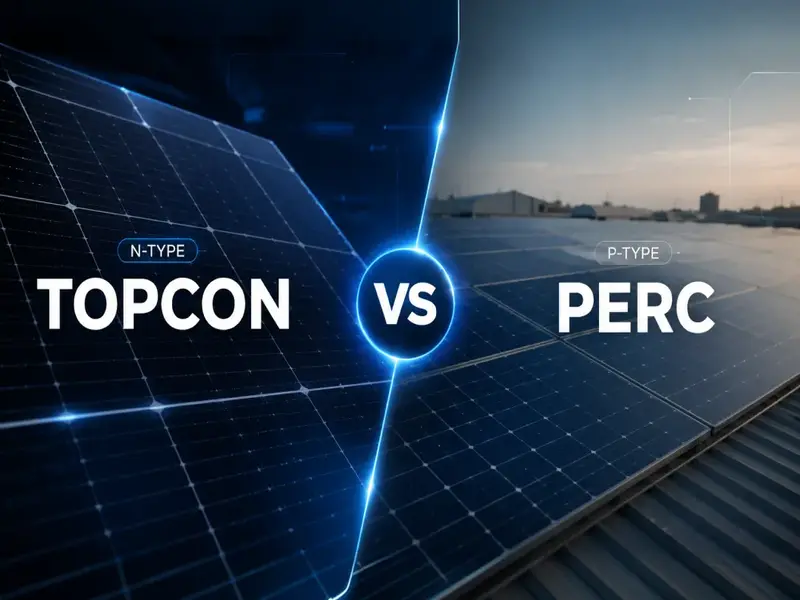
The global solar photovoltaic (PV) market is experiencing a massive technological shift. For over a decade, P-Type Passivated Emitter and […]
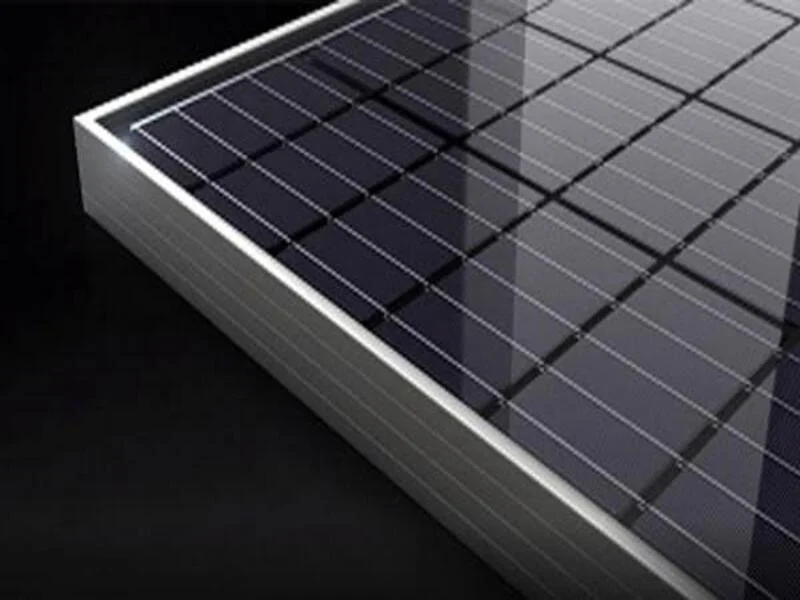
What is a solar panel and how does it work? Learn what is a photovoltaic module, explore main PV panel […]

Solar panels are revolutionizing the way we power our world. With their ability to generate clean, renewable energy from sunlight, solar panels have […]
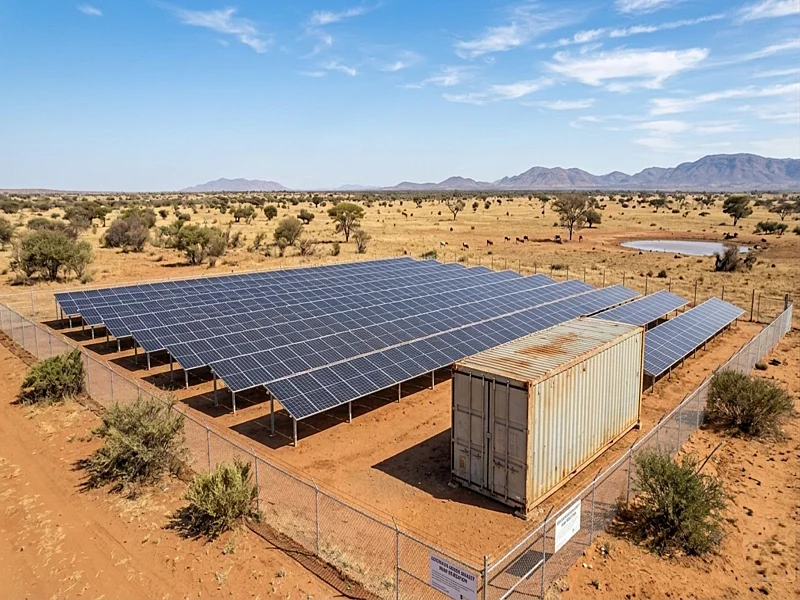
In the remote agricultural landscapes of Botswana, the bridge between a failing power supply and industrial productivity is built on […]