


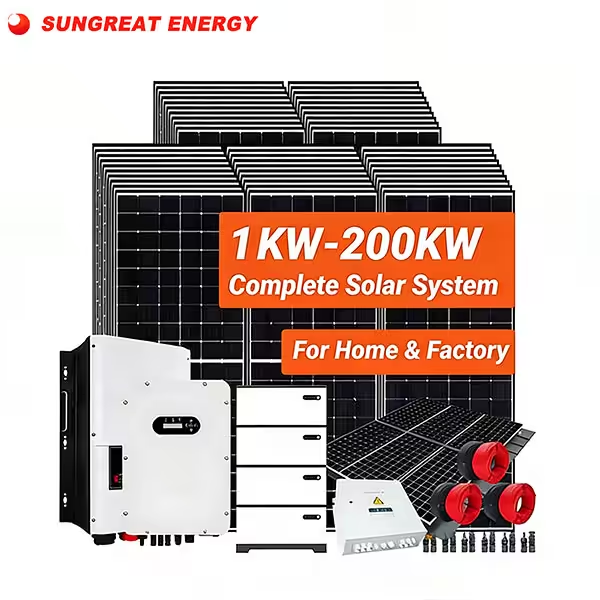


Solar panels are revolutionizing the way we power our world. With their ability to generate clean, renewable energy from sunlight, solar panels have become a cornerstone of sustainable development.

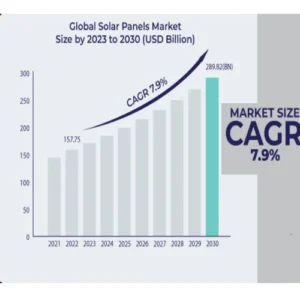
Globally, the financial and environmental landscapes have shifted permanently. According to the International Renewable Energy Agency (IRENA), the combined global market value for clean energy technologies reached nearly $1.2 trillion, with solar energy leading the vanguard of this decentralized power movement (IRENA, 2026). Driven by the engineering precision of systems like the Sungreat Energy Solar System, adoption has transitioned from a niche environmental alternative into a baseline infrastructure requirement.
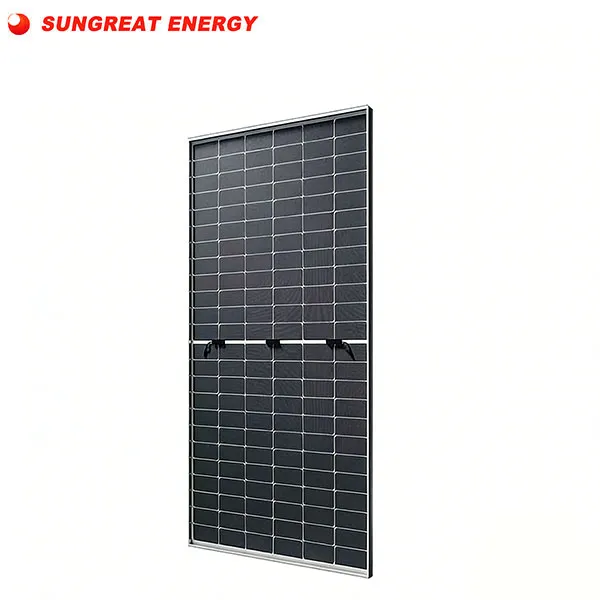
1. Mono vs. Polycrystalline
When deploying a solar asset, the fundamental engineering decision begins at the atomic level of the silicon cell.

| Feature | Monocrystalline Silicon Panels | Polycrystalline Silicon Panels |
| Crystal Structure | Continuous single-crystal lattice grown via the Czochralski method or zone melting. | Ingot casting or smelting process resulting in fragmented, visible crystal grains. |
| Aesthetic Design | Sleek black or dark blue appearance with rounded cell edges. | Speckled blue or light blue texture with sharp, square-shaped edges. |
| Manufacturing | Complex, energy-intensive, and higher precision. | Simpler, highly automated, and cost-effective production methods. |
| Efficiency (2026 Standard) | 19% – 24%+ (Emerging N-type architectures like TOPCon reach up to 26%). | 15% – 18% max due to grain boundaries causing electron recombination. |
| Thermal Performance | Superior temperature coefficient (typically -0.30% to -0.35%/°C), retaining power in high ambient heat. |
Higher performance degradation (around -0.40% to -0.45%/°C) during extreme heat. |
| Primary Applications | Premium residential rooftops, high-load commercial arrays, and semiconductor foundations. | Large-scale ground arrays and highly budget-sensitive industrial projects. |
| Market Outlook | Rapidly increasing global market dominance as manufacturing innovations drive down costs. | Steeper declines in market share as consumers prioritize space efficiency and lifespan. |
2. Solar Popularity Reasons
-
Renewable and Inexhaustible: Solar energy taps into an abundant, infinite celestial resource, offering a generational alternative to finite fossil fuels.
-
Environmentally Resilient: Solar PV systems emit zero greenhouse gases during operation, serving as humankind’s most deployment-ready defense against rising global temperatures (Hausker, 2023).
-
Drastic Cost Savings: Beyond reducing immediate monthly utility expenses, localized generation is insulated against fuel price inflation.
-
Energy Independence: Generating electricity directly at the point of consumption reduces national and residential dependence on imported fuel lines.
-
Low Maintenance Metrics: Lacking moving parts, solar arrays demand negligible upkeep and carry standard operational lifespans of 25 to 30+ years.
-
Rapid Tech Advancements: Advanced storage capacities and high-density cell structures (like half-cut cells and multi-busbar designs) ensure constant power output.
-
Infrastructural Versatility: Scalable from milliwatt space satellite arrays to multi-megawatt industrial facilities.
-
Institutional Policy Support: Widespread implementation of net-metering laws, tax credits, and carbon offsets lowers entry barriers for new adopters.
3. Versatile Applications
The flexibility of solar photovoltaic technology allows it to be integrated cleanly across diverse economic sectors:
-
Residential Solutions: Powering houses via rooftop configurations, thermal water heating, and hybrid off-grid energy storage systems.
-
Commercial & Industrial (C&I): Minimizing overhead costs for factories and corporate complexes through massive flat-roof systems or dedicated parking lot carports.
-
Agricultural Adaptation: Fueling automated irrigation lines, greenhouse climate systems, and remote water pumping without reliance on grid extensions.
-
Clean Transportation: Powering electric vehicle (EV) charging networks and municipal traffic signals.
-
Public Infrastructure: Scaling low-maintenance smart urban developments through solar-powered utilities and public lighting.
-
Rural Electrification: Providing dependable mini-grid modules and home energy kits to off-grid or underserved geographical zones.
-
Space Exploration: Serving as the foundational power system for satellites, deep-space probes, and orbital space stations.
-
Defense & Disaster Response: Providing rapid-deployment portable power cubes, mobile solar generators, and tactical emergency shelter arrays.
4. Deep Dive
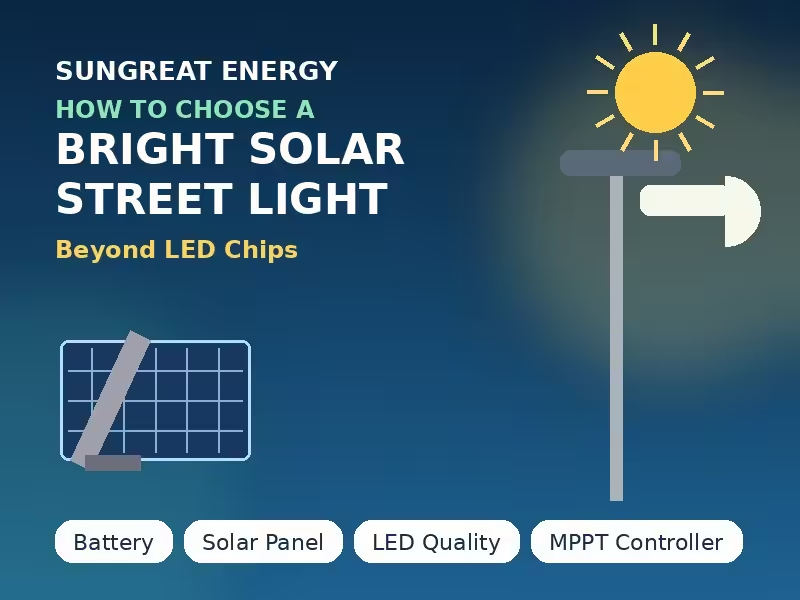
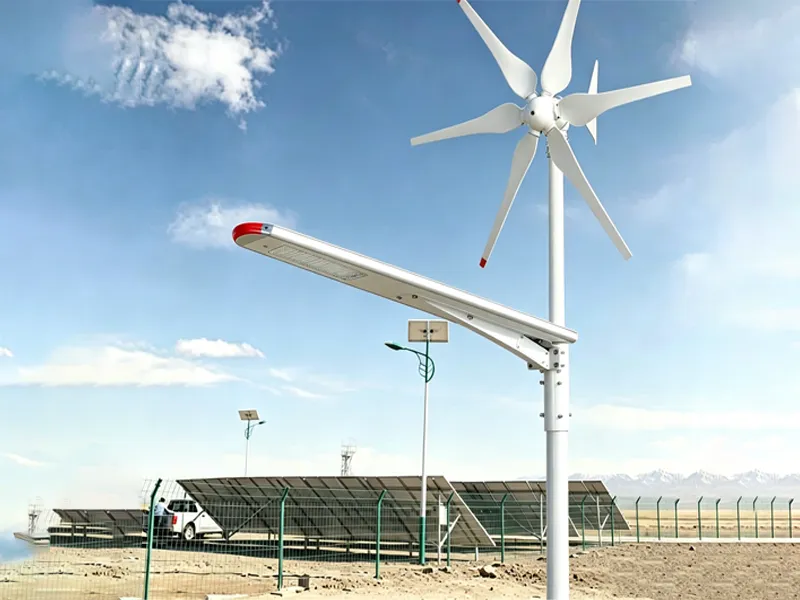
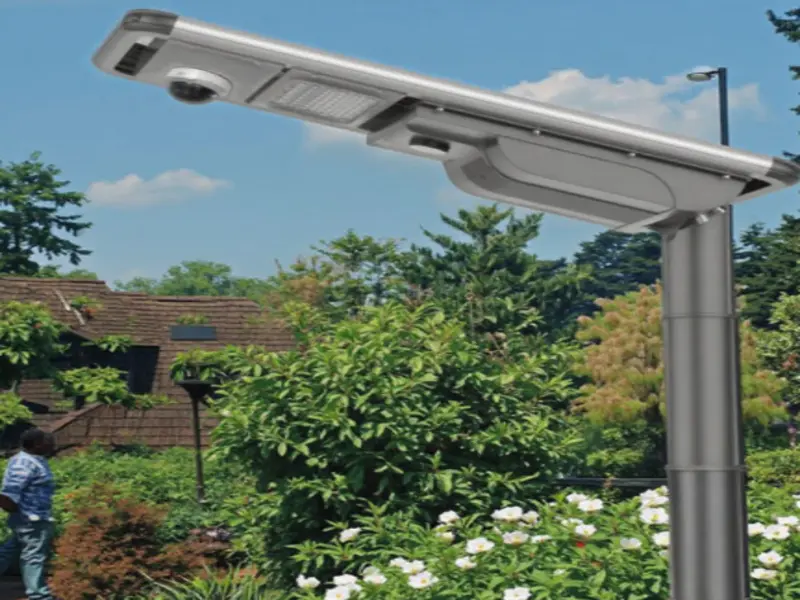
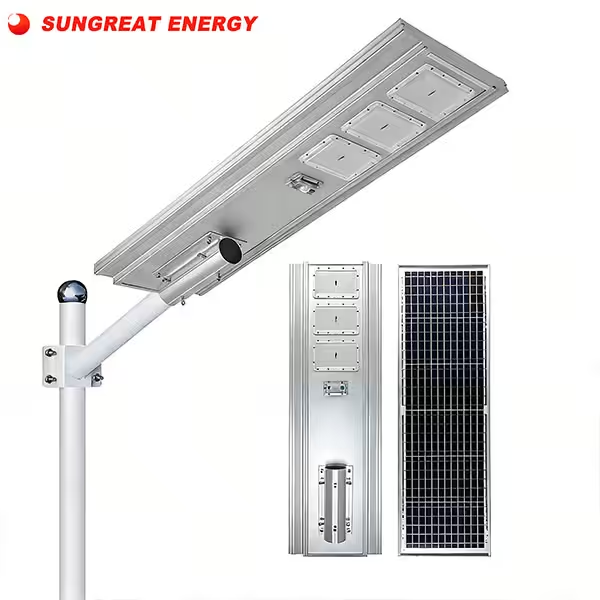
Solar streetlights have emerged as a massive global trend in public infrastructure due to their complete self-reliance. A professional installation comprises five tightly matched elements:
[ Solar Panel ] ---> [ Charge Controller / Sensor ] ---> [ Lithium Battery ] ---> [ LED Luminaire ]
4.1 Calculation (40W LED )
Achieving uncompromised performance throughout winter or prolonged overcast periods requires calculations that far exceed generic market offerings. Consider this high-performance blueprint for an uninterrupted 12-hour runtime:
To understand how to audit hardware manufacturers and select long-lasting components, see our professional guide on Evaluating Solar Suppliers with 15+ Years of Industry Experience.
5. Solar Off-Grid Systems
For users seeking absolute grid insulation or operating in remote locations, a Sungreat Energy Solar Off-Grid System offers full operational independence.
5.1 Core System Blueprint
-
Solar Panels: The primary generation unit capturing solar irradiance.
-
Charge Controller: Regulates incoming current (utilizing Maximum Power Point Tracking, or MPPT) to optimize battery charging and prevent overcharging.
-
Battery Bank: Typically deep-cycle Lithium Iron Phosphate ($\text{LiFePO}_4$) cells engineered to store excess daytime energy for nighttime or rainy-day deployment.
-
Inverter: Transforms stored Direct Current (DC) electricity into stabilized Alternating Current (AC) matching standard household appliance requirements.
-
The Connected Load: Powering vital devices ranging from refrigerators, medical equipment, and security arrays to regional Wi-Fi routers.
6. African Market Landscap
When sourcing hardware, working with verified, Tier-1 manufacturing lineages ensures long-term asset security. The global market is supported by top-tier solar innovators including LONGi Green Energy, Jinko Solar, Trina Solar, Canadian Solar, JA Solar, REC Group, Hanwha Q CELLS, Suntech Power, First Solar, and Risen Energy.
Concurrently, the geographical focus of solar deployment is shifting toward regions with maximum structural demand. Africa presents immense potential for solar energy due to its unparalleled ambient sunlight and critical energy access challenges.
According to data compiled by the Global Solar Council, the African solar sector experienced an unprecedented 54% year-over-year surge, installing over 4.5 gigawatts (GW) of capacity in a single year (Petrone, 2026). While massive utility projects are developing, roughly 44% of new capacity is driven entirely by distributed, privately financed residential and commercial solar installations (Global Solar Council, 2026). Nations like South Africa, Nigeria, Kenya, and Egypt are aggressively deploying these distributed systems to secure power independence from fragile centralized grids.
7. Conclusion
Solar arrays are fundamentally more than a patch for a utility bill—they represent a permanent shift toward infrastructural sustainability. Whether optimizing a residential rooftop, deploying an industrial microgrid, or implementing high-spec municipal solar street lighting, transitioning to high-efficiency solar technology is the clearest path toward a resilient, decentralized future.
To discover tailored hardware specifications for your next residential, commercial, or off-grid project, explore our full technology suite or reach out directly to our engineering team.

8. References
Global Solar Council. (2026). Africa Market Outlook for Solar PV: 2026–2029. https://www.globalsolarcouncil.org/resources/africa-market-outlook-2026-2029/
Hausker, K. (2023). A Deep Dive into the IPCC Working Group III Mitigation Report. World Resources Institute. https://www.wri.org/technical-perspectives/deep-dive-ipcc-working-group-iii-mitigation-report
International Renewable Energy Agency (IRENA). (2026). Solar PV Supply Chain Cost Tool: Methodology, results and analysis. https://www.irena.org/-/media/Files/IRENA/Agency/Publication/2026/Feb/IRENA_TEC_Solar_PV_Supply_Cost_Tool_2026.pdf
Petrone, A. (2026). Solar PV in Africa growth, 4.5 GW added and outlook to 2029. Rinnovabili. https://www.rinnovabili.net/business/energy/solar-pv-in-africa-growth-2025-outlook/
-
Corporate Portal: www.sungreatenergy.com
#SolarEnergy #Monocrystalline #OffGridSolar #RenewableEnergy #SungreatEnergy #CleanTech #EnergyIndependence #SustainableDevelopment #SolarStreetLight #GreenBuilding