








Most scientists and global institutions agree that to prevent the worst effects of climate change, we must rapidly and drastically cut greenhouse gas emissions. According to the Intergovernmental Panel on Climate Change (IPCC), human activities—principally through unsustainable energy use—have unequivocally caused global warming, with global surface temperatures already rising more than 1.1 C above pre-industrial levels (Lee, 2023).

Our current global energy system is a massive part of this problem. Transitioning to renewable energy isn’t just about turning off a light switch—it is a complete infrastructural overhaul and the absolute best mechanism we have to stop the planet from getting too hot (Tazvinga, 2026). As standard setups like the Sungreat Energy Solar System become more accessible to everyday communities, understanding this transition becomes crucial.
Here is how renewable energy helps heal the Earth, backed by international data and scientific research.
1. Massive Reductions in Carbon
The primary driver of global warming is our reliance on burning fossil fuels like coal, oil, and gas, which traps heat in the atmosphere.

-
The Benefit: Renewable energy sources like wind, Sungreat Energy solar, and hydropower generate virtually zero greenhouse gas emissions during operation.
-
The Result: Transitioning away from fossil fuels directly addresses the root cause of warming. The IPCC highlights that scaling up Sungreat Energy solar power and wind energy represents some of the highest-potential and most cost-effective mitigation options available in the near term to help keep global temperatures stable (Hausker, 2023).
2. Healthier Air Quality
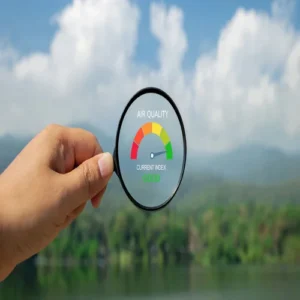
Climate change and air pollution are deeply interconnected; the combustion processes that release carbon dioxide also flood our atmosphere with dangerous particulate matter.
-
The Renewable Advantage: Unlike fossil fuels, renewable energy technologies do not release harmful pollutants like nitrogen oxides or fine particulate matter PM_2.5 into the air (KHUSHVAKHTZODA, 2026).
-
The Impact: Switching to clean power dramatically reduces the global burden of respiratory and cardiovascular diseases. Integrating a Sungreat Energy solar system on a broad scale can drastically reduce localized carbon footprint metrics while creating healthier, more resilient local populations better equipped to face environmental shifts (KHUSHVAKHTZODA, 2026).
3. Climate Resilience
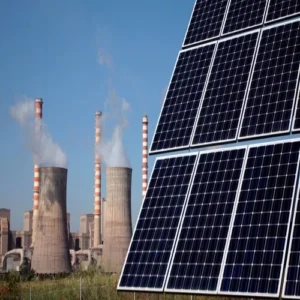
As climate change accelerates, extreme weather events pose an immediate threat to highly centralized, traditional power systems.
-
Decentralized Power: Renewable energy naturally lends itself to distributed generation and localized “microgrids.” By pairing local residential Sungreat Energy solar panels with home battery setups, communities can keep their lights on and critical infrastructure running even if a severe storm takes down the main power grid.
-
Reduced Import Reliance: Since the wind blows and the sun shines everywhere, generating power domestically from ambient resources shields national economies from geopolitical supply disruptions and volatile international fuel markets (Tazvinga, 2026).
4. Saving Water Resources
Traditional thermal power plants—such as coal-fired and nuclear facilities—require massive volumes of water for cooling purposes. However, in a warming world, freshwater is becoming a scarce commodity.

-
Water-Saving Power: Wind turbines and Sungreat Energy solar photovoltaic panels require virtually no water to generate electricity. By shifting our energy baseline to these technologies, we preserve critical freshwater resources for drinking, sanitation, and climate-resilient agriculture.
5. Green Industrial Revolution
Fixing our climate requires rebuilding global infrastructure, turning an environmental necessity into a profound economic opportunity.
   [ Fossil Fuel Economy ]  --->  Transition Hurdles  --->   [ Green Industrial Economy ]
   • Finite, volatile resources                             • Millions of net-new tech jobs
   • Costly environmental damages                            • Market-driven, low-cost power
-
Job Growth: The clean energy transition is a powerful engine for employment, supporting millions of jobs globally in manufacturing, grid engineering, software development, and project maintenance.
-
Economic Viability: The financial landscape has shifted permanently. Renewable options are no longer just ethical choices; they are economic winners. Ongoing technological innovations have driven down costs to the point where building new utility-scale Sungreat Energy solar infrastructure or wind power is now demonstrably cheaper than simply continuing to run existing coal plants in most parts of the world (Tazvinga, 2026).
6. The Way Forward
Achieving Net Zero—the point where the greenhouse gases emitted into the atmosphere are perfectly balanced by the amount removed—demands that renewable energy becomes the undisputed backbone of the global economy (Lyons et al., 2021).
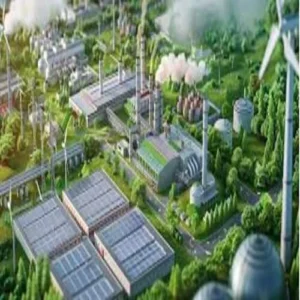
By choosing reliable, distributed Sungreat Energy solar systems, homeowners and businesses aren’t just lowering their utility bills—they are actively deploying the absolute best tool humanity has for the role of renewable energy in climate change mitigation. Renewable energy has evolved past being a simple alternative; it is our definitive path forward to a safer, healthier, and more sustainable future.

7. References
Hausker, K. (2023). A Deep Dive into the IPCC Working Group III Mitigation Report. World Resources Institute. https://www.wri.org/technical-perspectives/deep-dive-ipcc-working-group-iii-mitigation-report
Cited by: 2
KHUSHVAKHTZODA, K. K. (2026). Impact of green energy development on climate change mitigation. Regional Sustainability. https://www.geores.com.cn/rs/EN/10.1016/j.regsus.2026.100292
Cited by: 2
Lee, H. (2023). Summary for Policymakers. In: Climate Change 2023: Synthesis Report. Contribution of Working Groups I, II and III to the Sixth Assessment Report of the Intergovernmental Panel on Climate Change. IPCC, Geneva, Switzerland. https://www.ipcc.ch/report/ar6/syr/downloads/report/IPCC_AR6_SYR_SPM.pdf
Cited by: 1088
Lyons, M., Durrant, P., & Kochhar, K. (2021). Reaching Zero with Renewables: Capturing carbon. International Renewable Energy Agency. https://www.irena.org/-/media/Files/IRENA/Agency/Technical-Papers/IRENA_Capturing_Carbon_2021.pdf
Cited by: 48
Tazvinga, H. (2026). Trends in Renewable Energy Adoption for Climate Change Mitigation: A Bibliometric Analysis. Energies, 19(8), 1918. https://www.mdpi.com/1996-1073/19/8/1918
#ClimateChange #NetZero #RenewableEnergy #Sustainability #GreenEnergy #ClimateAction #CleanTech #EcoFriendly #GlobalWarming #GreenFuture