






Climate change is the definitive challenge of our generation. Reaching a net-zero future is no longer an optional, long-term milestone—it is a time-critical operational pivot that demands rapid action from governments, municipal corporations, and independent industries alike.

As globally minded markets actively seek out scalable decarbonization channels, solar energy stands at the absolute forefront of this transition. Among the array of renewable energy frameworks, solar engineering presents the most versatile, cost-effective, and rapidly deployable infrastructure to eliminate atmospheric pollution.
But can solar energy truly stop or reverse climate change?
By directly replacing fossil fuel combustion with clean photovoltaic conversion, solar technology provides the foundational pathway required to decarbonize global grids, stabilize the biosphere, and protect our environment.
1. Solar Energy’s Impact
Solar energy works by altering our core relationship with the environment: it replaces finite, carbon-emitting combustion systems with permanent, zero-emission resource extraction.
Dramatic Reductions in Atmospheric Carbon Footprints
According to real-world atmospheric monitoring provided by the National Oceanic and Atmospheric Administration (NOAA), global average carbon dioxide (CO2) levels have climbed to historic highs, pushing past 430 parts per million (ppm). This continuous buildup acts as a thermal blanket, trapping solar heat within the biosphere and driving extreme global weather volatility.
Data from the United States Environmental Protection Agency (EPA) reveals that the electric power generation sector is responsible for roughly 24% of all greenhouse gas emissions in the U.S.. Globally, when adding industrial space heating to the equation, that electricity and heat profile jumps to over 33% of global output.
By deploying solar photovoltaic arrays, we can directly eliminate the need for fossil-fuel-based power generation, cutting off a primary source of carbon emissions right at the root.
       [ TRADITIONAL POWER GRID ]                   [ SUSTAINABLE SOLAR GRID ]

         Coal & Natural Gas                         Photovoltaic (PV) Array
                 |                                             |
                 v                                             v
       Combustion & Heating                         Solid-State Semis (Silicon)
                 |                                             |
                 v                                             v
    CO2 Emissions (430+ ppm)                  Pure Photon Conversion
                 |                                             |
                 v                                             v
       Atmospheric Warming                         0% Greenhouse Gas Output
Breaking Our Dependence on Fossil Fuels
Solar energy systems can mitigate up to 80% of the energy loads required for industrial space and water heating across residential, commercial, and manufacturing developments. While the extraction of raw materials and the manufacturing process of solar panels do require an initial investment of fossil fuels, the life-cycle balance sheet remains overwhelmingly positive. Over a multi-decade operational lifespan, the clean energy generated by a panel offsets its initial manufacturing carbon footprint within the first 1 to 2 years of field operation.
2. Decoupling Grid Vulnerabilities
True Decentralization and Global Access
Unlike fossil fuel reserves, which are concentrated in specific locations and vulnerable to geopolitical tensions, solar energy is universally accessible anywhere the sun shines. This makes it an ideal framework for bringing power to remote, off-grid communities that lack access to traditional central utility lines.
Enhancing Electrical Grid Stability
As climate change increases the frequency of severe weather events like heatwaves, winter storms, and hurricanes, our centralized electrical grids face growing strain. Distributed solar networks mitigate these risks. By generating electricity right where it’s consumed, solar configurations ease stress on long-distance transmission lines during peak demand, protecting local networks from widespread outages.
3. Off-Grid Innovation

On an individual and residential scale, off-grid solar equipment provides total energy independence, eliminating the need for fossil-fuel backup generators.
-
Mobile Generators: Advanced portable solar arrays and high-capacity solar generators allow users to create a clean microgrid wherever they go.
-
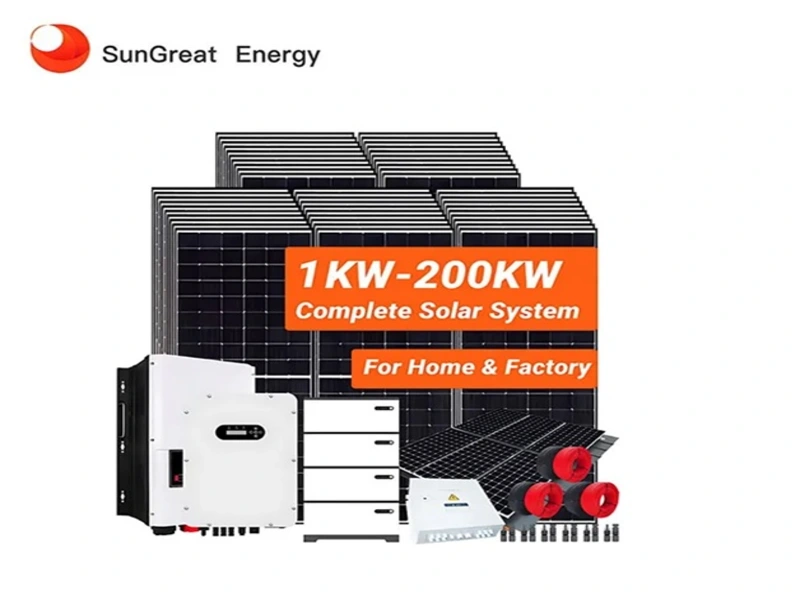
Customizable Power Kits: For modular homes, remote research outposts, and RV applications, specialized setups like Sungreat Customizable Power Kits deliver structured off-grid power solutions. These integrated systems manage power input from solar panels and feed it directly into reliable LiFePO4 battery enclosures, ensuring consistent access to clean energy even during extended periods of heavy cloud cover.
4. Industrial Decoupling Drivers
The commercial and industrial sectors are responsible for a significant share of global carbon emissions. Transitioning commercial operations to solar power offers double benefits: it dramatically lowers overhead energy costs while shrinking an organization’s carbon footprint.
+-------------------------------------------------------------------------+
|                  COMMERCIAL DECARBONIZATION FRAMEWORK                  |
+-------------------------------------------------------------------------+
|                                                                         |
|  [ Solar PV Array ] ----> Fleet Electrification (EV Charging Infrastructure) |
|                     ----> Thermal Replacement (Eliminating Boiler Fuels) |
|                     ----> Grid Independence (Peak-Shaving Energy Storage)  |
|                                                                         |
+-------------------------------------------------------------------------+
-
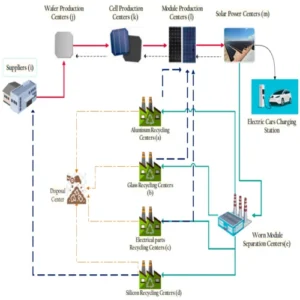
Fleet Electrification: Businesses can pair on-site commercial solar arrays with electric vehicle (EV) charging stations, ensuring their logistics and corporate transportation fleets are powered by 100% clean energy.
-
Process Heat Subventions: Industrial facilities can use high-temperature solar thermal setups to handle boiler fueling and process heating, lowering emissions from intensive manufacturing activities.
5. Protecting Local Ecosystems
Scientists regularly link climate change to habitat destruction, species extinction, and rapid ecosystem degradation driven by rising temperatures, prolonged droughts, and shifts in regional weather patterns.

Fossil fuel extraction requires invasive mining, deep drilling, and carries the constant risk of pipeline leaks or maritime oil spills that can devastate wildlife habitats. Solar installations avoid these destructive extraction processes entirely. By stabilizing global temperatures and reducing environmental pollution, large-scale solar adoption plays a key role in preserving natural habitats and supporting biodiversity conservation.
6. Mathematical Impact
To understand the real-world value of solar energy, we can look at its direct carbon-offset metrics:
Carbon Displacement Equivalency Table
| Solar Infrastructure Scale | Annual Clean Generation | Annual Carbon Displacement (CO2) | Equivalent Trees Planted (Over 10 Years) |
| Single Portable Panel (400W) | ~500 kWh | ~700 lbs / 317 kg | ~8 Trees |
| Standard Residential Array (6kW) | ~9,000 kWh | ~12,600 lbs / 5,715 kg | ~145 Trees |
| Commercial Rooftop Array (100kW) | ~150,000 kWh | ~210,000 lbs / 95,254 kg | ~2,400 Trees |
| Utility-Scale Community Solar (1MW) | ~1,500,000 kWh | ~2,100,000 lbs / 952,543 kg | ~24,000 Trees |
Over a standard 25-to-30-year operational life cycle, a single residential solar setup can offset more than 100 tons of carbon dioxide. While individual residential roofs are incredibly valuable, larger scale community solar installations build on this impact. Utilizing empty urban spaces, brownfields, and commercial parking structures allows multiple households to access clean energy without requiring direct roof installations.
Furthermore, finite fossil fuel reserves are depleting rapidly, with proven oil reserves projected to face extreme scarcity by mid-century. Moving toward solar infrastructure today guarantees long-term energy security for generations to come.
7. Technical FAQ
Can solar energy stop climate change on its own?
Solar energy is a powerful tool for fighting climate change, but it must be paired with other solutions like wind energy, geothermal systems, and smart energy storage to fully succeed. While solar can displace the majority of global electricity emissions, stopping climate change entirely also requires decarbonizing heavy agriculture, concrete manufacturing, and international aviation.
Is solar panel manufacturing 100% environmentally friendly?
No manufacturing process is completely free of environmental impact. The production of solar panels and lithium-iron batteries requires mining raw materials and using high-temperature processing. However, the lifecycle emissions of solar are minimal compared to fossil fuels. Within its first two years, a solar panel offsets the carbon cost of its production, continuing to deliver clean energy for decades.
How do solar batteries help the environment?
Solar batteries maximize the value of green energy by storing excess electricity generated during peak daylight hours. This stored energy can then be used at night or during peak demand periods, eliminating the need to spin up fossil-fuel “peaker plants” to keep the grid running.
8. Conclusion
Solar energy stands out as a highly scalable, reliable, and accessible technology in our transition away from fossil fuels. By replacing carbon-heavy energy generation with clean photovoltaic conversion, solar infrastructure lowers global carbon footprints, stabilizes regional electrical grids, and protects fragile ecosystems from the worst impacts of climate change.
To learn more about deploying tailored renewable energy systems or upgrading your commercial setup with high-efficiency energy solutions, visit our clean technology portal at Sungreat Energy.
If you need more information and want to know more, please visit our website: www.sungreatenergy.com or email: [email protected] or WhatsApp: 0086-15776467829

#SolarEnergy #ClimateChange #NetZero #RenewableEnergy #Sustainability #CleanTech #SolarPower #GreenGrid #SungreatEnergy
9. Global Institutional References
-
National Oceanic and Atmospheric Administration (NOAA): Track real-time global atmospheric changes and historical parts-per-million tracking trends via the NOAA Global Monitoring Laboratory Carbon Dioxide Index.
-
United States Environmental Protection Agency (EPA): Review updated breakdowns of sectoral emissions and greenhouse gas data by visiting the EPA Greenhouse Gas Emissions Inventory.
-
Intergovernmental Panel on Climate Change (IPCC): To explore detailed mitigation frameworks and clean energy transition models, read the comprehensive IPCC Working Group III Assessment Report.