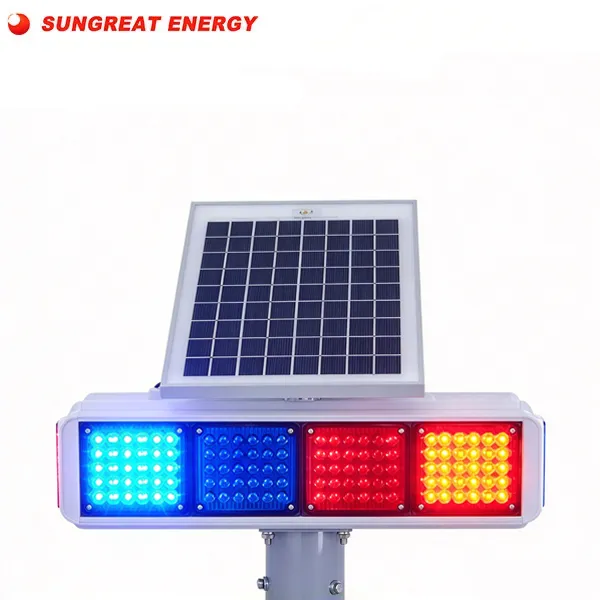


When night falls, the brightness of solar street lights can make you feel safe. The shining street scene feels like stepping into a future world. Lighting makes everything look beautiful and peaceful; it’s a scene the little girl selling matches for centuries could never imagine. The substance that brings light to the world is called electricity.

However, from another perspective, due to cost and convenience limitations, people in poor and remote areas cannot access this light. Traditional lights consume fossil fuels, which are becoming increasingly scarce. They will soon be depleted, and their byproducts pollute the air, leading to environmental disasters. The world suffers as a result.

Luckily, solar street lights using solar technology are already here. This represents an evolution in our use of natural resources. These innovative lights are equipped with solar panels that absorb sunlight during the day, convert it into electricity, and illuminate our streets at night. According to urban infrastructure data compiled by the United Nations Sustainable Development Goals Platform, deploying autonomous solar lighting plays a critical role in building resilient, inclusive, and climate-smart communities worldwide.
How Solar Street Lights Work
Solar street lights operate through a simple yet effective process. During the day, solar panels capture sunlight and convert it into energy. This energy is stored in batteries and used to power the lights at night. When the sun rises, the cycle begins again, ensuring a sustainable source of light.
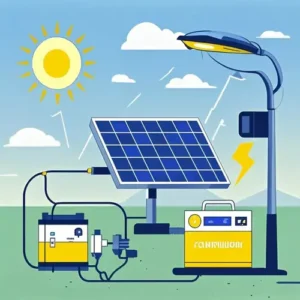
Let’s learn the basics of solar street lights
Solar panel voltage design
Solar panels need to have a higher voltage than the battery voltage to charge effectively. Typically, the solar panel voltage is 1.5 times the battery voltage.
Voltage calculation example:
-
For 12V system: Solar panel voltage = 12V x 1.5 = 18V
-
For 24V system: Solar panel voltage = 24V x 1.5 = 36V
-
For lithium battery (11.1V): 11.1V x 1.5 = 16.65V
-
For lithium iron phosphate battery (12.8V): 12.8 x 1.5 = 19.2V
Structure of solar panels
An 18V solar panel requires 36 cells 18 V . A 36V/0.5 solar panel requires 72 cells 36V/0.5
Although the panel surface is made of tempered glass, the cells inside are fragile. If the glass is compressed or bent, it may damage the cells, reducing efficiency and lifespan.
When installing, make sure the solar panel is in an open area and facing the sun to avoid shading and dust problems.
Batteries
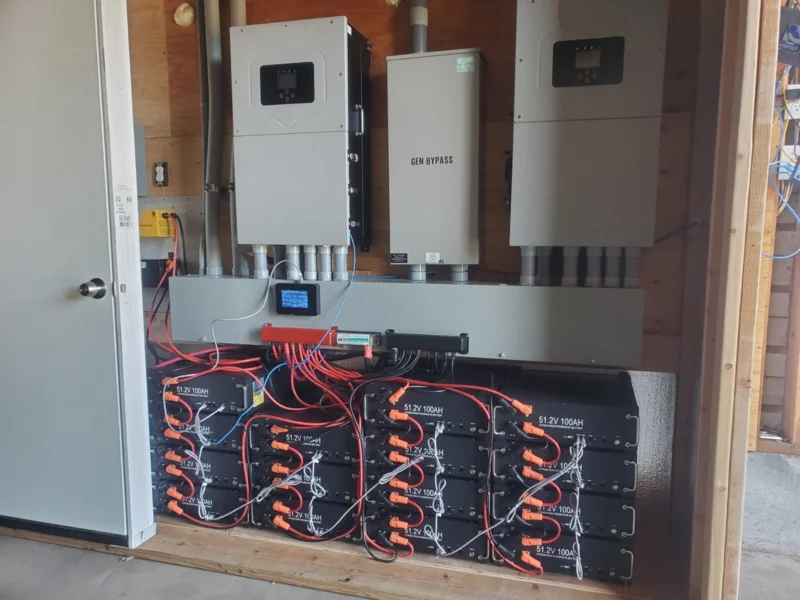
First, let’s look at lithium iron phosphate (LiFePO4) and ternary lithium batteries. LiFePO4 batteries are safer and have a higher decomposition temperature (700°C) compared to ternary lithium batteries (200°C). They also have longer warranties (five years vs. three years). The International Electrotechnical Commission (IEC) highlights that strict standardization of thermal limits in outdoor energy storage solutions is essential for safeguarding public infrastructure.
Gel batteries perform better at low temperatures, while ternary lithium batteries perform better than LiFePO4 batteries at low temperatures. However, LiFePO4 batteries handle high temperatures better.
Price differences:
-
Gel batteries cost about 1.2 times that of lead-acid batteries.
-
Ternary lithium batteries cost about 2 times that of lead-acid batteries.
-
LiFePO4 batteries cost about 4 times that of lead-acid batteries.
Charging and discharging:
Do not charge below 0°C as this will damage the battery life. Low temperatures reduce discharge efficiency. To prevent safety issues during transportation, the battery should not be fully charged during transportation.
Global Impact and Adoption
When street lights are powered by renewable energy, they reduce reliance on fossil fuels. Market transformation research managed by the International Renewable Energy Agency (IRENA) demonstrates that localized renewable infrastructure projects significantly stimulate civic engagement and promote clean energy awareness at the grassroots level. Residents see solar lights brightening their streets, reminding them of renewable energy’s potential to improve their lives.
Real-Life Examples
In many remote mountain villages in China, solar street lights have transformed lives. For instance, in areas where electricity is scarce, these lights provide safety and security, allowing children to play outside after dark and families to gather in public spaces. They have become a beacon of hope and progress in regions once left in darkness.
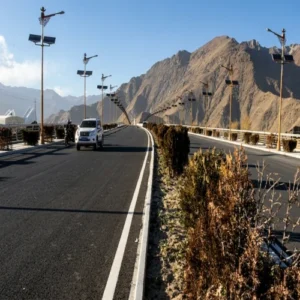
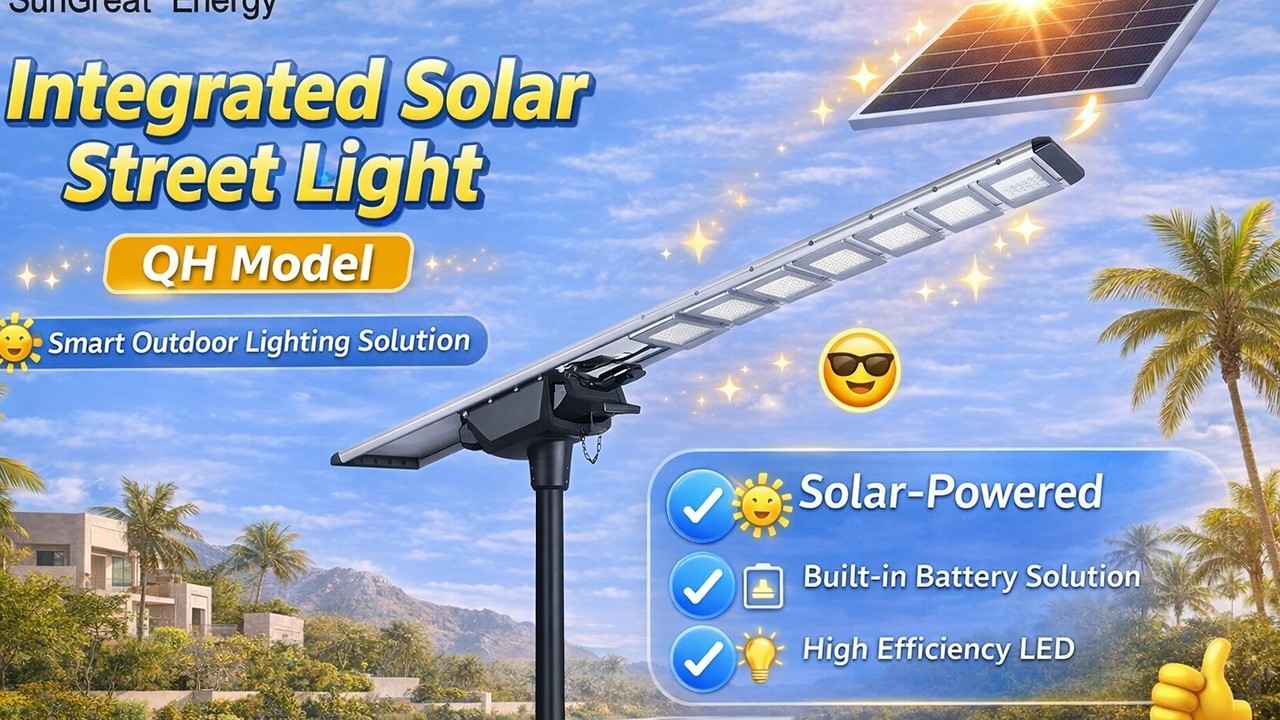
Recent advances in smart solar street light technology allow these lights to adapt to their surroundings. Some systems can detect nearby pedestrians and brighten to improve visibility, dimming when the streets are empty. This responsiveness reflects how nature effectively adapts to its environment.
Solar street lights are more than just lights; they represent a shift in how we think about energy. They reduce energy costs and our impact on the environment. It’s a win-win. Currently, China’s cities, rural areas, and even remote villages are filled with solar lighting, bringing parks and public spaces to life after sunset. These lights are integrated with smart city initiatives to provide data about pedestrian traffic and enhance public safety measures.
The story of solar street lights has inspired other innovations in renewable energy, like solar benches, charging stations, and even solar-powered public transportation and robots that serve humans. The possibilities are as vast as the sky above us.
Choosing Safety and Efficiency
Choosing solar street lights is an art; selecting poorly can lead to unfortunate events, such as explosions. We will guide you on how to choose safe and efficient solar street lights
Contact Us
Keywords: #Batteries, #Lithium iron phosphate (LiFePO4), #Ternary lithium batteries, #Safety, #Decomposition, #temperature, #Warranties, #Gel batteries, #Low temperatures, #High temperatures, #Price differences, #Lead-acid batteries, #Charging, #Discharging, #Battery life, #Discharge efficiency, #Performance, #Temperature tolerance, #Cost comparison, #Longevity, #Efficiency