




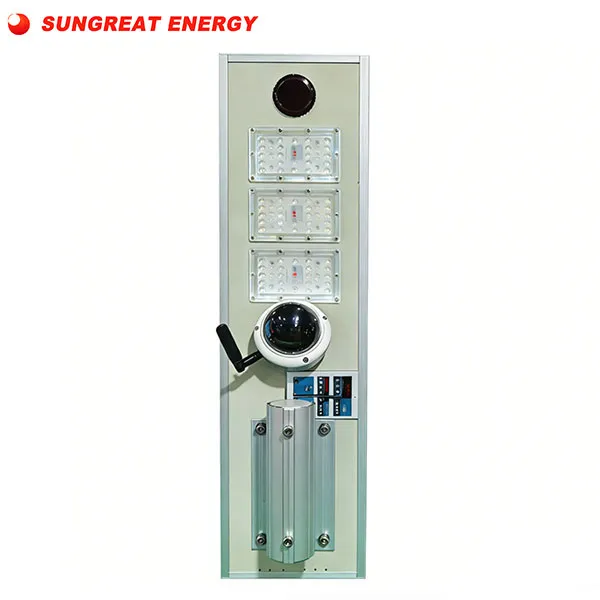
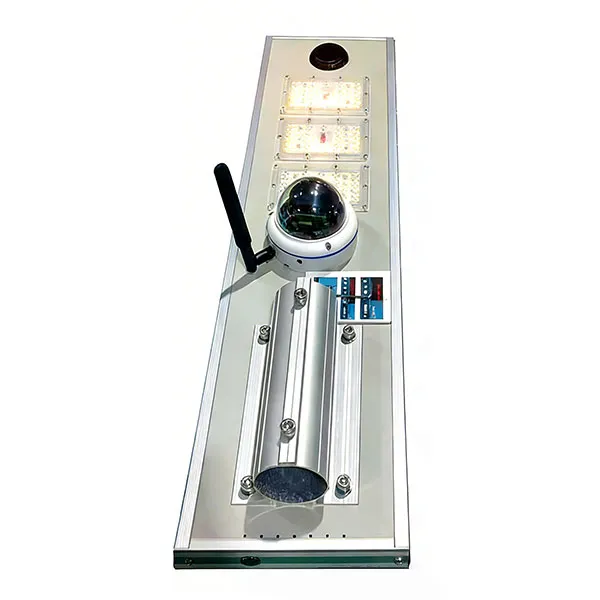

Integrated Solar Street Light 4G WiFi PTZ CCTV Camera FNC Series 50W–250W
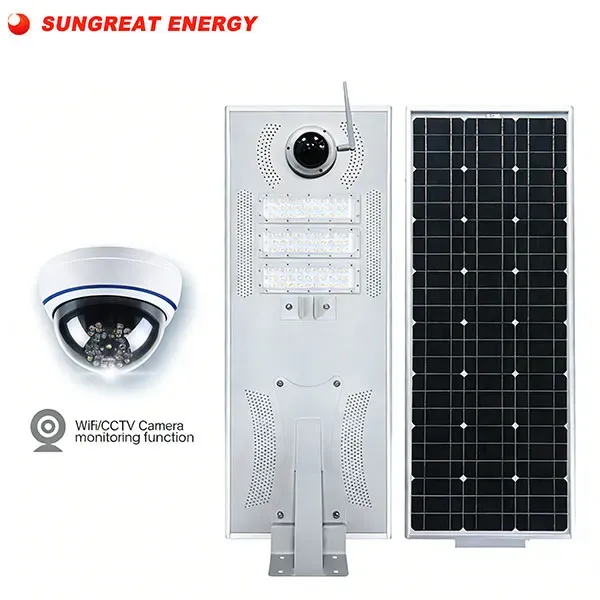
FNC 50W–250W solar street lights combine off-grid lighting with remote PTZ camera viewing over 4G or Wi-Fi for EPC sites.
- 50W–250W models deliver 9,000–55,000 lm for varied site lighting needs
- Solar panel, LiFePO₄ battery and MPPT controller support off-grid operation
- 2MP PTZ camera offers night vision and remote 360° rotation, one view at a time
- 4G or Wi-Fi enables mobile and PC viewing where stable signal reaches the pole
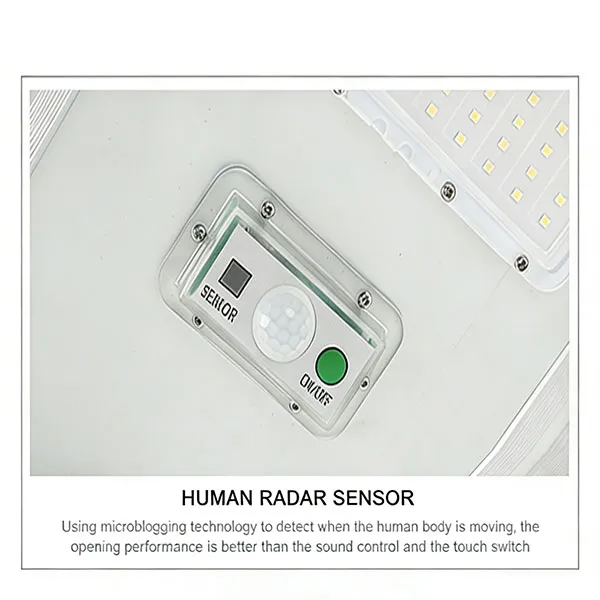
- Auto ON/OFF, timed dimming and motion sensing help manage power use at night
FNC Integrated Solar Street Light with 4G/WiFi PTZ CCTV Camera for Off-Grid Security Projects
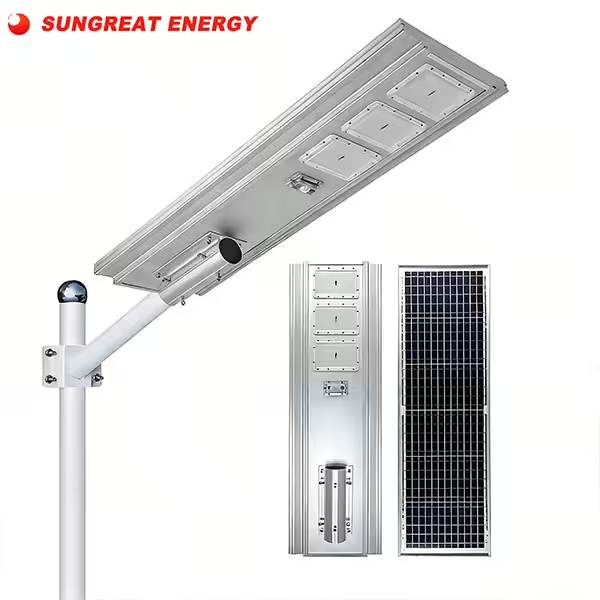
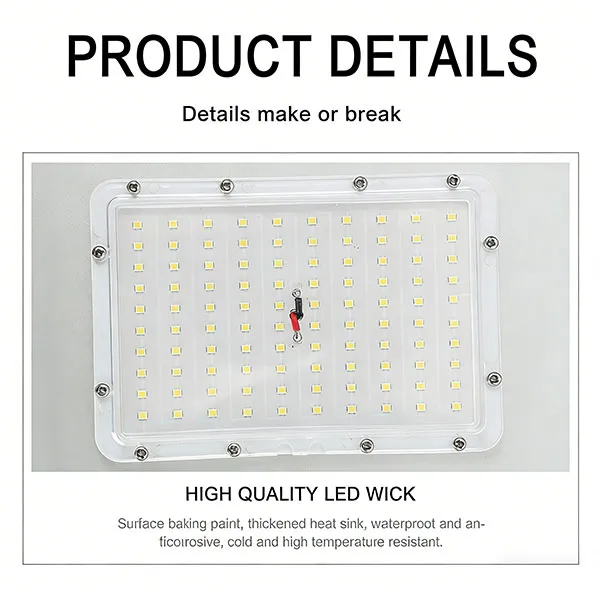
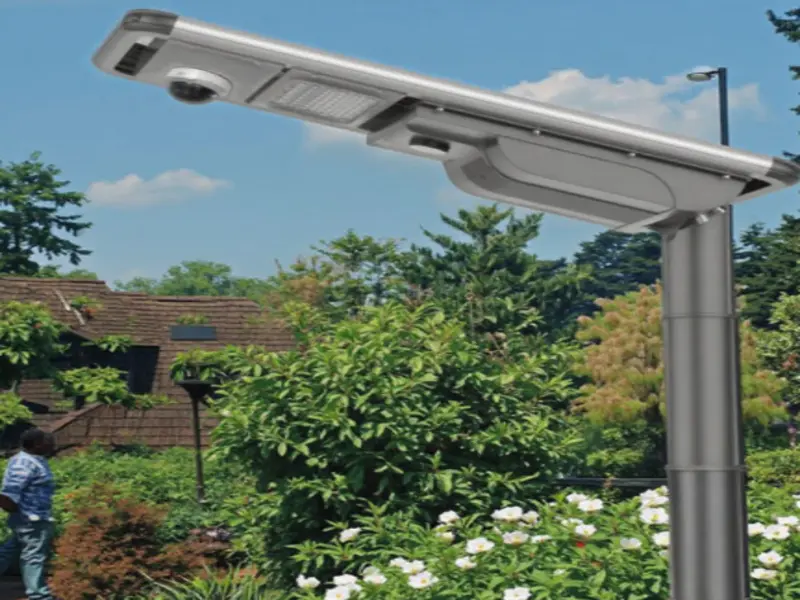
Sungreat Energy’s FNC Series combines solar street lighting with a 2MP PTZ camera in one pole-mounted unit for roads, residential areas, warehouse perimeters and other sites without convenient grid access. Its integrated system includes a solar panel, LiFePO₄ battery, MPPT controller and LED modules. Five lighting options from 50W to 250W provide listed outputs from 9,000 to 55,000 lm. Recommended mounting heights are 3–4 m for 50W and 100W models, and 4–6 m for 150W–250W models. The camera supports night vision, mobile or PC viewing, and remote 360° rotation through 4G or Wi-Fi. 4G requires compatible local coverage, supported bands, an active SIM and data plan; Wi-Fi must reach the pole. The camera views one direction at a time, so confirm sightlines and obstructions. Automatic on/off, time dimming and motion sensing help manage lighting use.
Integrated Solar Street Light 4G WiFi PTZ CCTV Camera FNC Series 50W–250W Technical Specifications & Datasheet
| Model | FNC | ||||
| Watts(w) | 50W | 100W | 150W | 200W | 250W |
| Lumens(Lumens) | 9000-11000LM | 18000-22000LM | 27000-33000 | 36000-44000LM | 45000-55000LM |
| Lifepo4 Battery(AH) | 3.2V 11.25AH | 3.2V 18AH | 3.2V 25AH | 3.2V 30AH | 3.2V 35AH |
| Solar Panel | 6V 16W | 6V 22W | 6V 32W | 6V 36W | 6V 42W |
| LED Chip | Philips/Osram/USA Bridgelux | ||||
| CCT(K) | 2700-6500K(customized) | ||||
| CRI | >70 | ||||
| Lighting Efficiency | 180-220lm/w | ||||
| Rainy Days | 5-7 cloudy/ rainy days | ||||
| Work Temperature | -25℃-+65℃ | ||||
| Work Mode | Auto ON/OFF, Time Dimming, Motion Sensor | ||||
| Material | Aluminium alloy | ||||
| Pole Upper Diameter | φ70-φ76mm | ||||
| Controller | MPPT | ||||
| IP Rating/IK Class | IP66/IK09 | ||||
| Camera Information | Wifi/4G, 24-hour working, night vision, 64G memory card, 2M pixel | ||||
| Mounting Height(Recommend) | 3-4m | 3-4m | 4-6m | 4-6m | 4-6m |
| Space between poles(Recommend) | 10-15m | 10-15m | 15-25m | 15-25m | 15-25m |
| Warranty | 5 Years | ||||
Bring Solar Lighting and PTZ Monitoring Together
FNC 50W–250W | 2MP PTZ | 4G/Wi-Fi
FNC Series 50W–250W Integrated Solar Street Light with 2MP 4G/Wi-Fi PTZ CCTV Camera
Integrated Solar Street Light 4G WiFi PTZ CCTV Camera FNC Series 50W–250W Project & Application Cases
The figures below are preliminary layout references from the FNC listing, not a final lighting design or confirmation of a completed FNC installation. Final model selection and pole positions depend on road width, lane arrangement, lighting targets, solar exposure, shading and camera sightlines.
| Site type | FNC model for preliminary review | Mounting height | Pole spacing |
|---|---|---|---|
| Community roads and residential areas | 50W or 100W | 3–4 m | 10–15 m |
| Industrial sites, farms and remote entrances | 150W–250W | 4–6 m | 15–25 m |
Use these ranges to start the layout. Check the selected model against the road width, pole arrangement and required lighting level. If the project requires photometric verification, confirm the matching IES file and DIALux scope for the selected FNC configuration before finalizing the design.
Lighting and camera coverage need separate checks. The 2MP PTZ camera can turn through 360°, but it views one direction at a time. Walls, trees and buildings may block the view. Mark gates, corners and other priority areas on the site plan, then check the camera position, target distance and obstructions. If several directions must be monitored at the same time, plan separate camera positions.
For 4G models, check the carrier bands and signal at the planned pole locations, and allow for an active SIM and data plan. For Wi-Fi models, verify stable coverage at all planned camera locations; a signal at the site office does not guarantee coverage at the poles.
For a straight 500 m road with one row of poles and a pole at both ends, use the proposed spacing to estimate the quantity:
| FNC model range | Preliminary spacing | Estimated poles for 500 m |
|---|---|---|
| 50W or 100W | 10–15 m | 35–51 |
| 150W–250W | 15–25 m | 21–35 |
For example, 20 m spacing gives 25 intervals; adding one pole at the end gives an initial estimate of 26 poles. These figures cover one row only. Two-sided or staggered layouts, curves, entrances and side roads need a separate count.
If a project needs an adjustable bracket or a mounting height beyond FNC’s listed 3–6 m range, compare the FXC Series with adjustable bracket. FXC has different wattage and pole recommendations, so assess it against its own specifications.
For project-delivery context from a related off-grid security installation, see Sungreat Energy’s 500-unit integrated solar CCTV project in Nigeria. It is a related solar CCTV reference, not a confirmed FNC installation; its camera configuration differs from the FNC’s listed 2MP camera.
For a project review, provide the site location and plan, road or perimeter dimensions, pole arrangement and height, lighting target and CCT, priority camera zones and target distances, network availability, operating schedule, recording-retention needs, solar exposure, shading and quantity.
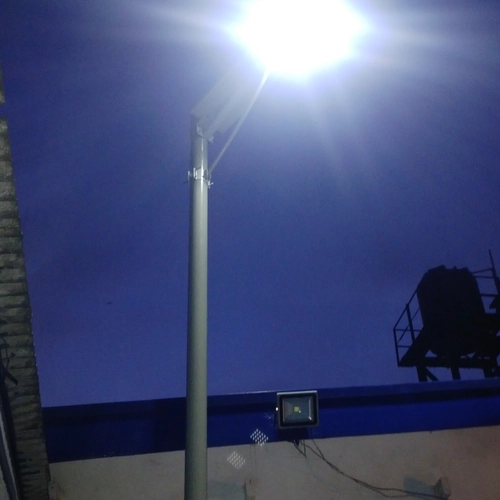
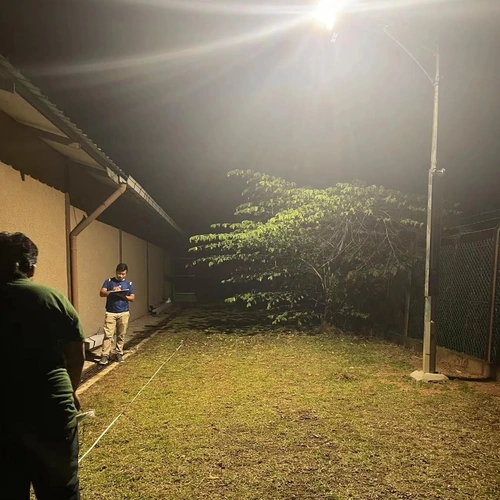
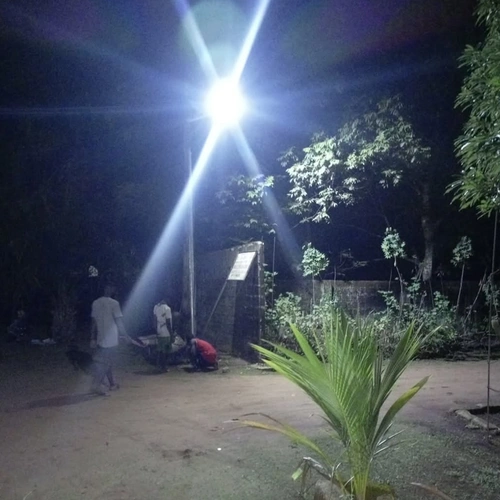
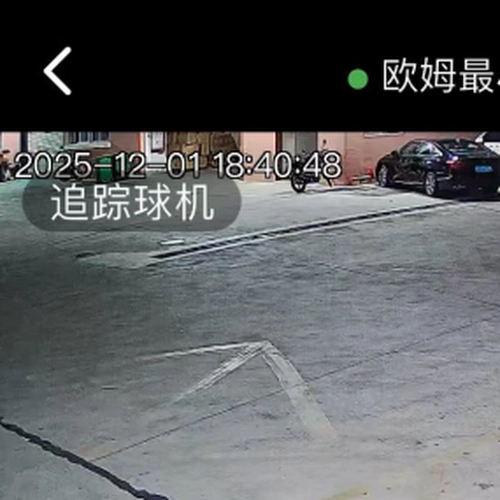
Integrated Solar Street Light 4G WiFi PTZ CCTV Camera FNC Series 50W–250W Production Process
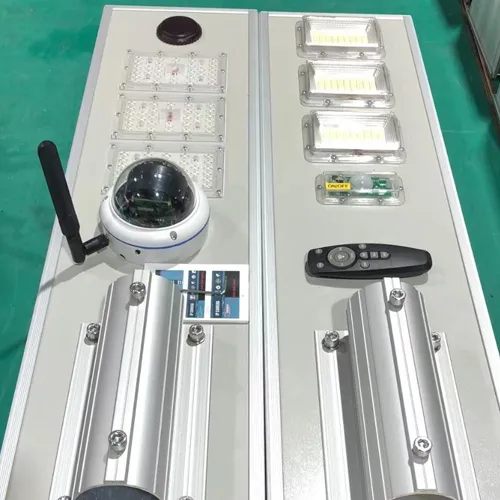
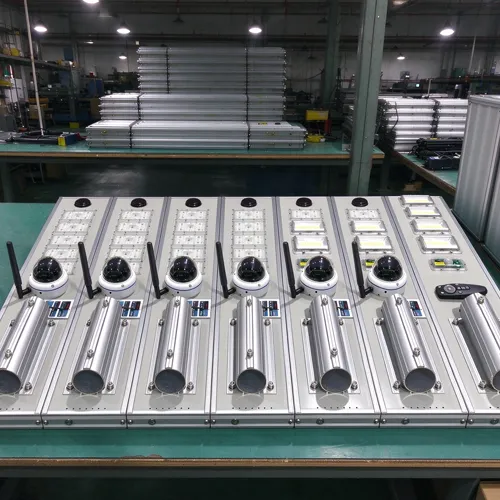
Production follows the approved configuration for the order. Sungreat Energy matches the selected 50W, 100W, 150W, 200W or 250W model with its specified solar panel, LiFePO₄ battery, MPPT controller, PTZ camera and 4G or WiFi version. This keeps the lighting, power and communication components aligned with the project requirements.
Incoming checks compare the LED module, solar panel, battery, controller, PTZ camera, antenna, aluminium housing and order-specific accessories with the approved configuration. The 4G or WiFi version receives particular attention, since the wrong communication type can prevent remote access after installation.
After assembly, the system test covers solar charging response, LED operation, automatic on/off, time-based dimming and motion sensing. Camera checks include PTZ movement, night vision, 4G or WiFi connection, live viewing on mobile or PC, and local recording where it is included in the approved configuration.
Before packing, completed units are checked against the order for model, wattage, communication version, labels, accessories and quantity. This helps installers receive the correct product mix for the project.
For EPC tenders, include any required aging duration, 4G connectivity test records, battery SOC records, waterproof test documents, inspection sampling plan or custom-label format in the RFQ or purchase order. Agree on the test scope, acceptance criteria and report format for the project; general catalog information does not confirm that project-specific tests or documents are included.




Integrated Solar Street Light 4G WiFi PTZ CCTV Camera FNC Series 50W–250W Overview & Details
The Sungreat Energy FNC Series combines a solar street light and a 2MP PTZ camera in one pole-mounted unit. For EPC projects, the model selection needs to account for lighting layout, camera coverage, network access and the required operating schedule.
Camera coverage and network
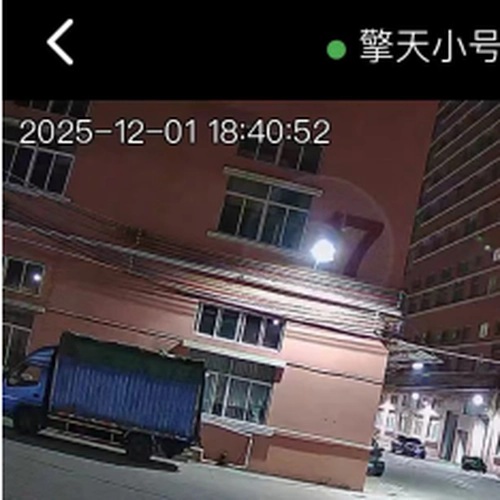
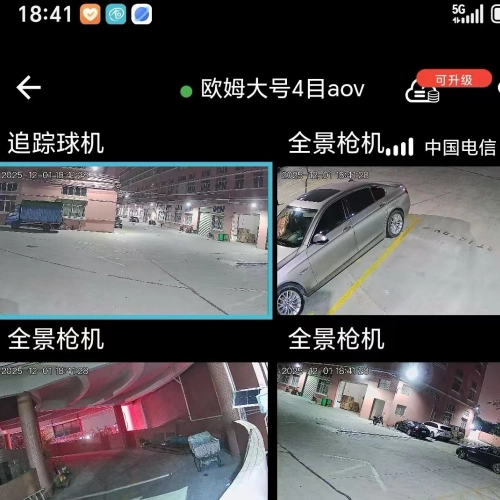
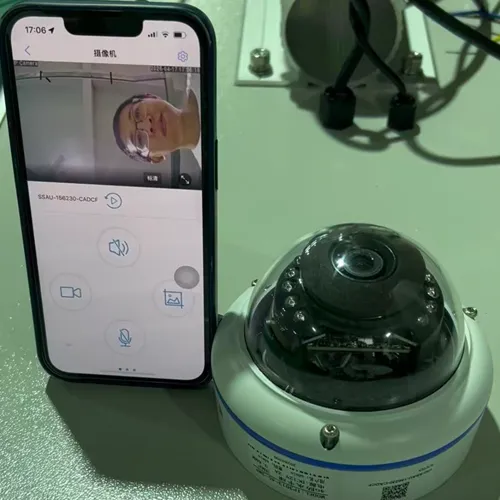
The listed camera supports night vision, remote PTZ movement and access through 4G or Wi-Fi on mobile devices and computers. Its 360° rotation lets the operator change the camera’s viewing direction; one PTZ camera still views one direction at a time. Mark gates, corners, walls, trees and other obstructions on the site plan, then check the camera view separately from the lighting layout.
For 4G projects, check compatible carrier bands and signal strength at the planned pole locations, along with SIM activation and data costs. Wi-Fi is suitable when stable coverage reaches the poles. The listed 24-hour camera operation does not, by itself, define continuous recording or footage retention. Confirm the recording mode and required retention period for the project.
Where a site needs solar-powered surveillance without roadway lighting, the Y5 solar-powered PTZ camera is a separate camera-only option. It has its own solar panel and battery, so plan its mounting and coverage separately from the FNC street light.
Lighting and pole layout
The FNC range covers five lighting models from 50W to 250W, with listed outputs of 9,000–55,000 lm and efficacy of 180–220 lm/W. The current page gives these preliminary mounting and spacing recommendations:
| FNC model | Recommended mounting height | Preliminary pole spacing |
|---|---|---|
| 50W and 100W | 3–4m | 10–15m |
| 150W, 200W and 250W | 4–6m | 15–25m |
These ranges are starting points for lighting layout. Road width, pole arrangement, target illuminance and uniformity affect the final spacing. Use an IES or DIALux layout where the project requires photometric verification, and plan camera views separately; spacing that works for lighting may still leave surveillance blind spots.
Solar sizing and installation
The solar panel, battery and MPPT controller need to be assessed as one system. For project sizing, use the confirmed panel wattage and total battery energy in Wh, then compare them with local peak sun hours, shading, temperature, lighting schedule, camera use and required backup days. Automatic on/off, time-based dimming and motion sensing can help manage energy use, depending on the selected settings.
The FNC listing specifies a 70–76 mm pole-top interface. For a project that needs a new 4–6 m pole, review the customizable Q235B steel pole range. Request the top interface required by the FNC bracket, then confirm pole height, bracket fit, wind load and foundation against the site design.
The product page lists 64GB local memory-card storage. Confirm whether the card is included in the order and whether its capacity meets the required retention period. Actual recording time depends on bitrate, image settings and recording mode; event recording and continuous recording use storage differently.
For a project review, provide the site plan, road or perimeter dimensions, planned pole positions, lighting target, network type, camera viewing zones, operating schedule, recording-retention target and local solar conditions.


Integrated Solar Street Light 4G WiFi PTZ CCTV Camera FNC Series 50W–250W Packaging & Delivery
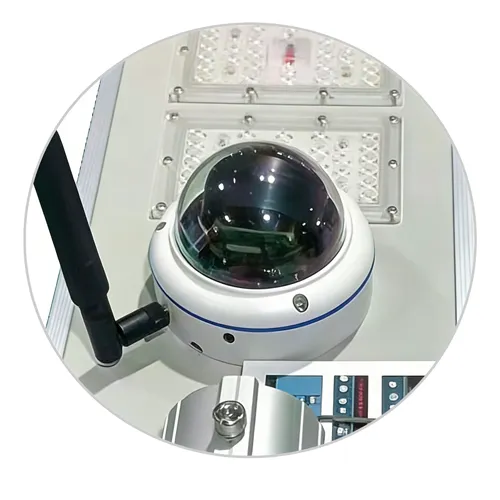
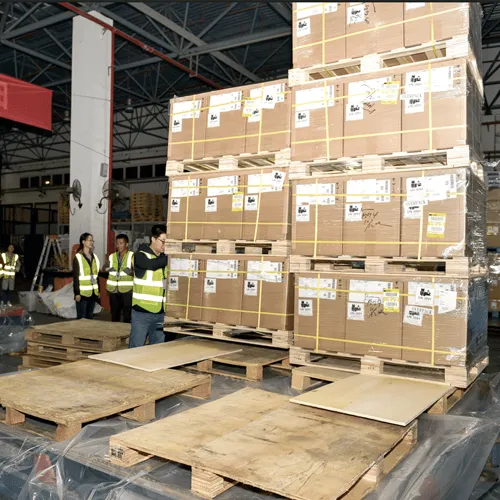
The FNC Series combines a solar panel, PTZ camera and built-in LiFePO₄ battery. The packing plan should protect the camera head and lens, antenna, panel edges and mounting parts from impact or movement during handling.
For mixed orders, carton labels and the packing list should identify each model, wattage, 4G or Wi-Fi version, quantity and accessory set. This helps the receiving team sort the units without opening every carton.
Shipping options and estimated transit
For bulk orders, sea freight is usually the first option to quote. Full container load (FCL) suits larger shipments; less than container load (LCL) can be considered for smaller quantities, although consolidation and extra handling may add time.
Depending on the route, sailing schedule and battery cargo acceptance, available carrier options may include Maersk, Ocean Network Express (ONE), MSC, CMA CGM and COSCO. Air freight may suit an urgent sample or small shipment, but the airline and forwarder must first review the installed battery’s rating and confirm acceptance.
The following sea-freight ranges are planning estimates from China to the destination port. They do not include production time, customs clearance or delivery from the port to the project site.
| Destination route | Indicative port-to-port sea transit |
|---|---|
| China to Los Angeles/Long Beach, USA | 14–18 days |
| China to Mombasa, Kenya | 23–42 days |
| China to Dakar, Senegal | 30–50 days |
| China to Santos, Brazil | 32–42 days |
Your freight quote should show the departure and arrival ports, carrier, shipping method, estimated port-to-port transit, and whether customs clearance and local delivery are included. For a site delivery, inland transport from the destination port needs to be added to the schedule. Air transit is often quoted at around 5–10 days airport-to-airport as a broad planning reference, subject to battery acceptance and route availability.
Battery documents
To keep battery review from delaying a booking, include the battery specification with the shipping enquiry: chemistry, voltage, capacity in Ah, watt-hours (Wh), battery weight and how the battery is installed in the light. The UN 38.3 test summary should also be available for the battery design.
The carrier or freight forwarder can then confirm the exact classification and any required dangerous goods declaration, marks, labels or destination documents. An SDS may be requested for a particular route or by a local agent, but it is not a universal transport document.
Receiving the shipment
If a carton arrives damaged, photograph the shipping label and the carton before opening it. Then take clear photos of the affected component and keep the carton and protective packing until the carrier or insurer advises otherwise. On undamaged units, check the camera lens and PTZ movement, antenna, solar panel and accessories before installation, and report any missing or damaged parts promptly.


FAQ of Integrated Solar Street Light 4G WiFi PTZ CCTV Camera FNC Series 50W–250W
Yes. The 4G version can connect where Wi-Fi is unavailable, provided there is compatible local coverage and an active SIM card with a data plan. Check the carrier’s supported bands and signal at the planned pole locations before ordering, and allow for ongoing data costs.
The FNC specification lists a 2MP camera with night vision, but that alone cannot guarantee identification. Distance, lens and viewing angle, mounting height, target movement and available light all affect the image. PTZ lets the operator change the viewing direction; it does not capture every direction at once. If face or plate detail is required, review sample footage from the planned height and distance before approval.
No. The specification lists 24-hour camera operation and a 64GB memory card, but does not state the recording mode or retention time. Continuous recording needs more storage and may increase power demand. Confirm the supported modes, whether the card is included, and the expected retention at the selected settings.
A dependable runtime cannot be stated without the confirmed battery configuration and load schedule. Lighting hours and dimming, camera and recording mode, and local low-sun conditions all affect autonomy. Confirm the usable battery energy and test conditions for the project location; a cloudy-weather figure should not be read as full-output operation unless the test profile confirms it.
For a straight 500 m road with a single row on one side and a pole at both ends, round up the number of spacing intervals, then add one pole:
- FNC 50W or 100W at 10–15 m spacing: 35–51 poles. At 15 m, round up 500 ÷ 15 to 34 intervals, then add one pole: 35. At 10 m, 50 intervals plus one pole gives 51.
- FNC 150W, 200W or 250W at 15–25 m spacing: 21–35 poles. At 25 m, 20 intervals plus one pole gives 21. At 20 m, 25 intervals plus one pole gives 26.
These are preliminary lighting counts. A closed perimeter does not need a duplicate endpoint pole; two-sided or staggered layouts need a separate count for each row. Road width, turns, gates, lighting targets and photometric checks can change the final layout. Camera coverage should be planned separately.
Install an approved sample at a representative location first. Check the selected Wi-Fi or 4G connection and remote live view at the pole, PTZ movement, night footage at the required distance, recording and playback, and the agreed lighting, dimming and motion settings.
Record charging and operation against the project schedule. A short trial can reveal setup or coverage problems, but it cannot establish seasonal cloudy-weather autonomy. Agree on acceptance criteria and the required battery and site-energy evidence before releasing the bulk order.
Related Products



Related News
Choosing between solar street lights and grid-powered LED street lights is one of the most important decisions in outdoor lighting […]
Most scientists and global institutions agree that to prevent the worst effects of climate change, we must rapidly and drastically […]
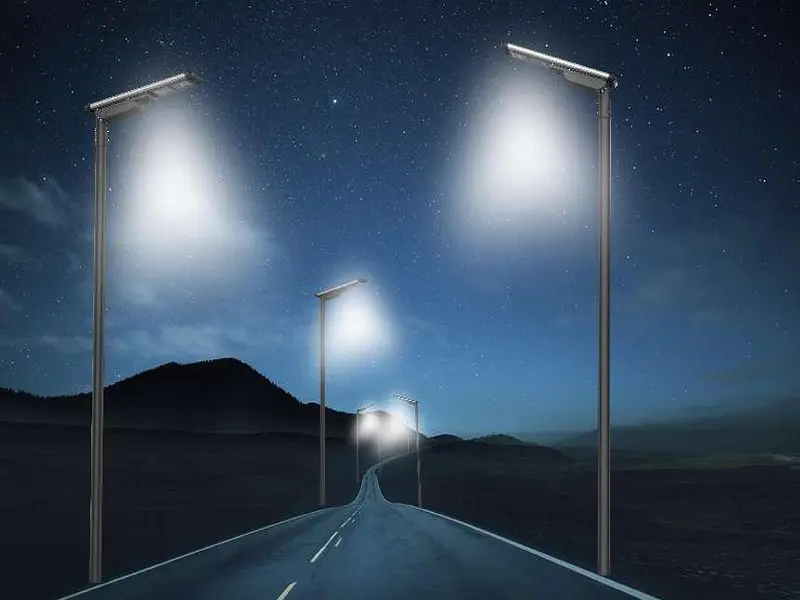
As cities and communities worldwide strive to adopt sustainable and cost-effective infrastructure, solar street lights have emerged as a leading […]

Author: Adam Yu (General Manager of Sungreat Energy) | Date: March 2026 In the global B2B solar industry, long-term success […]
In recent years, the demand for integrated solar street light with camera solutions across Nigeria has surged. ☀️ Driven by […]
Canton Fair 2026 Insights: Global Buyer Trends and Opportunities for Solar Suppliers Introduction The 138th Canton Fair has once again […]