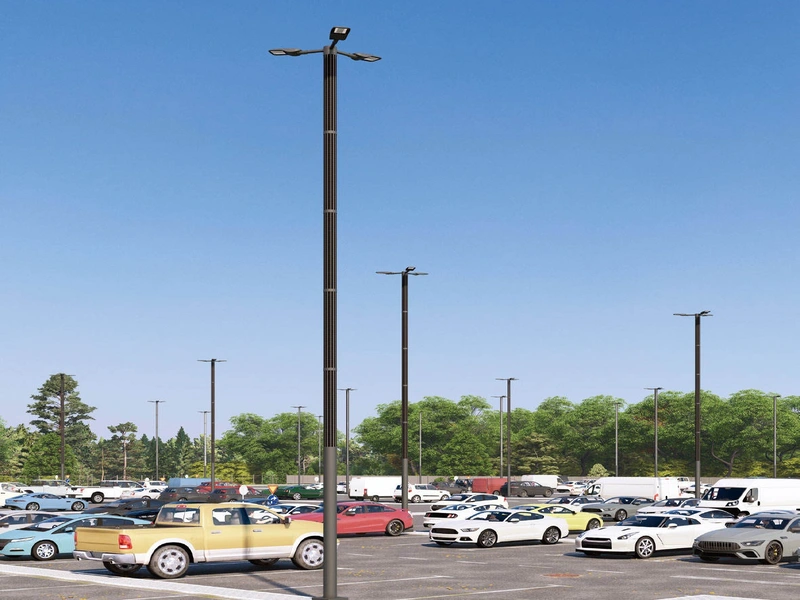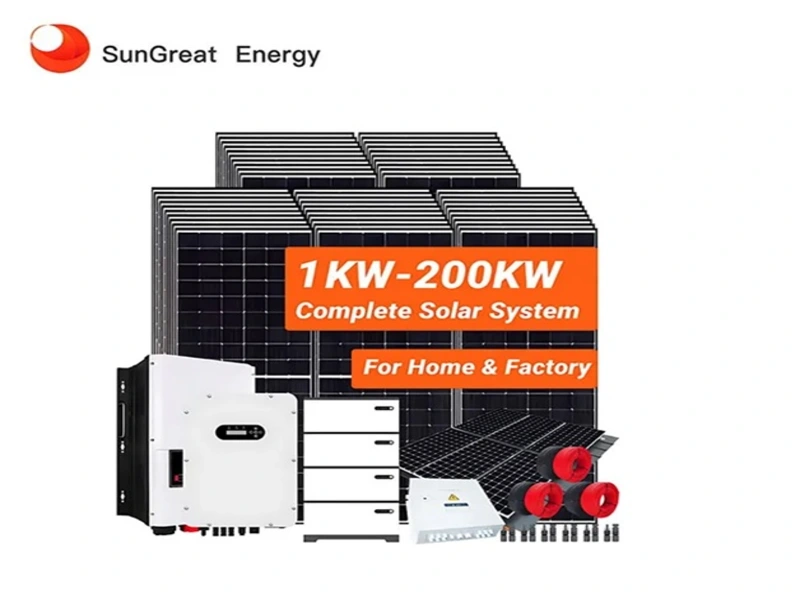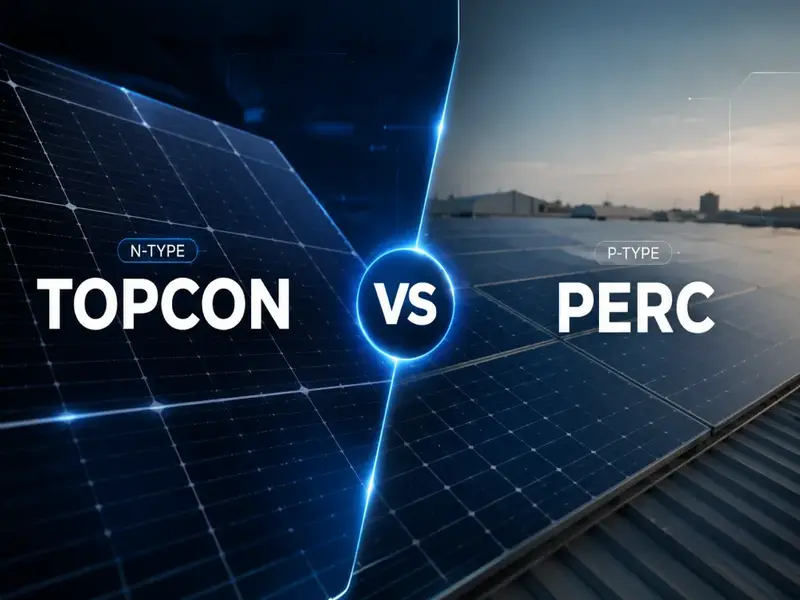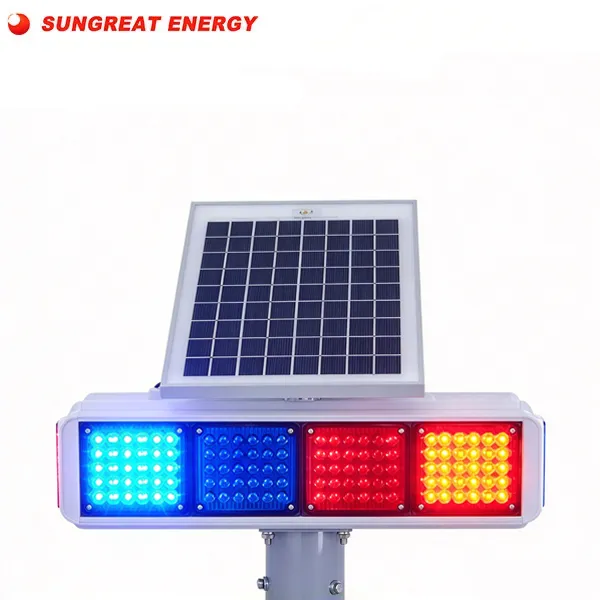

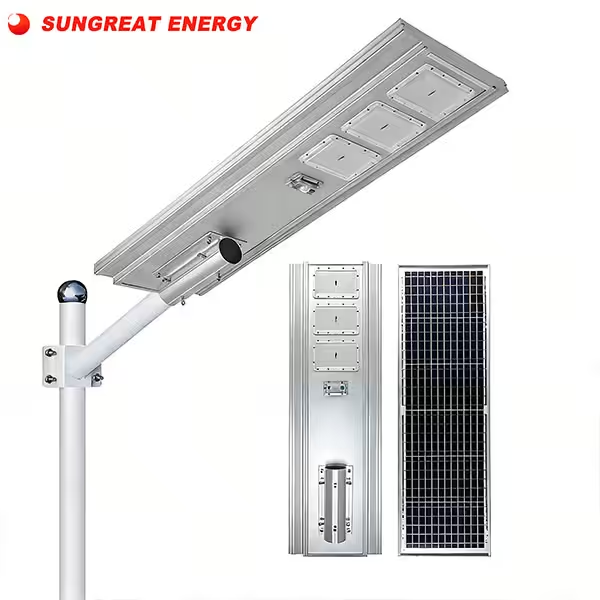





As the world increasingly turns its attention to sustainable energy solutions, solar street lights are emerging as a beacon of hope in urban development. These innovative lighting systems not only enhance public safety but also contribute to environmental conservation. In this article, we’ll explore why solar street lights are becoming a game-changer in modern cities and how they can illuminate our path to a greener future.

1. What Are Solar Street Lights?
Solar street lights are outdoor lighting systems powered by solar panels, which convert sunlight into electricity. They typically consist of a solar panel, LED light, battery, and control system. The solar panels absorb sunlight during the day, charging the batteries to power the lights at night.
According to technical briefs published through the United Nations Sustainable Development Goals Platform, these systems directly align with global mandates for clean energy, infrastructure innovation, and sustainable city design. This self-sufficient system eliminates the need for traditional power sources and reduces energy costs significantly.
2. Benefits of Solar Street Lights
2.1 Environmental Impact
One of the most significant advantages of solar street lights is their minimal environmental impact. By harnessing renewable energy, these lights reduce greenhouse gas emissions and reliance on fossil fuels. This aligns with global efforts to combat climate change and promote sustainable urban development. The use of solar energy also contributes to reducing air pollution, making cities cleaner and healthier for their inhabitants.
2.2 Cost-Effectiveness
Although the initial investment for solar street lights can be higher than traditional options, the long-term savings are substantial. Reports tracked by the International Renewable Energy Agency (IRENA) show that switching to efficient solar lighting setups can slash localized municipal energy costs by up to 60% to 80%.
With no electricity bills and reduced maintenance costs—thanks to the durability of LED lights—municipalities can allocate funds to other critical areas. Furthermore, many governments offer incentives for renewable energy projects, further offsetting installation costs. Over time, the total cost of ownership significantly decreases, making solar street lights a smart financial choice for cities.
2.3 Easy Installation
Solar street lights are relatively easy to install, requiring no extensive wiring or connection to the grid. This flexibility makes them ideal for remote areas or locations where traditional infrastructure is lacking. Comprehensive project studies managed by the World Bank Infrastructure Facility highlight how public-private partnerships globally leverage this ease of installation to transform cash-strapped municipalities.
Moreover, these systems typically require minimal maintenance, as they are designed to withstand various weather conditions. The absence of complex wiring reduces the risk of technical issues, making solar street lights a reliable option for urban and rural settings alike.
2.4 Enhanced Public Safety
Well-lit streets improve safety for pedestrians and drivers alike. Solar street lights provide reliable illumination during the night, reducing crime rates and accidents. Enhanced visibility encourages outdoor activities and fosters a sense of community.
Studies have shown that adequate lighting can deter criminal activity, making neighborhoods safer and more inviting. This improvement in public safety contributes to enhanced quality of life in urban areas, encouraging social interactions and community bonding.
2.5 Energy Independence
By using solar energy, cities can reduce their dependence on centralized power sources. This independence enhances energy security, ensuring that public spaces remain lit even during power outages. In times of crisis, such as natural disasters or grid failures, solar street lights can provide critical illumination, helping to guide emergency responses and maintain public safety. This resilience is increasingly vital as cities face the challenges posed by climate change and extreme weather events.
3. The Future of Solar Street Lights
As technology advances, we can expect solar street lights to become even more efficient and affordable. Innovations such as smart lighting systems that adjust brightness based on ambient light conditions or motion sensors are already in development. These features will further optimize energy use and enhance public safety by ensuring that lights are only on when needed, reducing unnecessary energy consumption.
Moreover, with the increasing global focus on sustainability, the demand for renewable energy solutions like solar street lights will continue to rise. Cities worldwide are recognizing the importance of investing in green infrastructure, and solar street lights are at the forefront of this movement. Integrating solar street lights into urban planning not only addresses immediate energy needs but also promotes long-term sustainability goals.
4. Integration with Smart City
The rise of smart city initiatives presents an exciting opportunity for solar street lights to play a pivotal role in urban development. By incorporating IoT (Internet of Things) technology, solar street lights can be connected to city-wide networks, enabling real-time monitoring and management. This integration allows for data collection on traffic patterns, pedestrian movement, and energy usage, providing valuable insights for city planners. Such data can inform decisions on where to install additional lighting or how to optimize energy consumption.
5. Community Engagement
Implementing solar street lights can also serve as a platform for community engagement and education. Municipalities can organize workshops and informational sessions to educate residents about the benefits of renewable energy and sustainable practices. This engagement fosters a sense of ownership and encourages community members to participate in sustainability initiatives, creating a more informed and active citizenry.
6. Conclusion
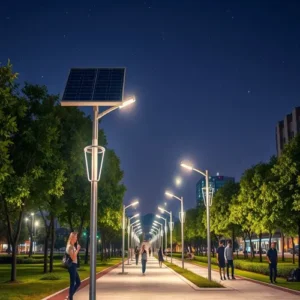
In conclusion, solar street lights represent a transformative solution for modern urban challenges. They not only enhance public safety and reduce energy costs but also contribute to environmental sustainability and community well-being. As cities continue to grapple with the impacts of climate change and urbanization, investing in solar street lights is a step toward a brighter and more sustainable future.

By illuminating our streets with clean energy, we can pave the way for healthier, safer, and more resilient communities. Embracing this technology is not just a choice; it is an imperative for a sustainable future.
7. Connect With Us
Let’s work together towards a brighter, more sustainable future! ☀️
-
📧 Email: [email protected]
-
💬 WhatsApp: +86-15776467829
#SungreatEnergy #RenewableEnergy #SolarSolutions #Egypt #Sustainability #BusinessTrip