SIB Series 1–5 kW All-in-One Solar Inverter and Lithium Battery ESS
The SIB Series integrates a 1–5 kW pure sine wave inverter, MPPT solar controller, smart Battery Management System (BMS) and LiFePO₄ battery in one enclosure. It is designed for EPC contractors, installers and project buyers serving residential, shop, office and small-commercial backup sites where separate component matching and on-site wiring need to be kept manageable.
The system provides 220 V AC output and supports solar charging, AC input and communication through RS485, RS232 and CAN interfaces. The 1 kW, 3 kW and 5 kW configurations provide up to 2 kW, 6 kW and 10 kW of peak output, respectively, subject to the selected model’s continuous rating, surge duration and load-starting requirements.
Customers can select the inverter and battery configuration according to running load, appliance startup demand, daily energy consumption, local solar conditions and required backup time. The SIB Series is an integrated storage solution for residential, small-commercial and commercial EPC backup projects when the selected configuration matches the site conditions.
All-in-One Solar Inverter and Lithium Battery ESS SIB Series for Commercial EPC Technical Specifications & Datasheet
| Model |
SIB |
| Inverter Rated/Peak Power |
1000W/2000W |
3000W/6000W |
5000W/10000W |
| LiFePO₄ Battery |
25.6V 100AH(2.56KWH) |
25.6V 200AH(5.12KWH) |
51.2V 150AH(7.68KWH) |
51.2V 200AH(10.24KWH) |
51.2V 300AH(15.36KWH) |
| Battery Life time |
8-10 Years(60000hours) |
| Charge Time |
6 Hours(Peak sunlight) |
| Working Temperature |
-25℃—+65℃ |
| Battery BMS |
30A |
50A |
40A |
50A |
50A |
| Working Hours |
10-12hours |
| Cloudy/Rainy Days |
3-5 rainy days |
| Working Temperature |
0~45℃(Charging); -20~60℃(Discharging) |
| Extendable Functions |
Bluetooth, GPS, etc |
| Inverter Input Voltage |
AC220V (Informal) |
| Inverter output Voltage |
L/N/PE AC220Vx2,50/60Hz |
| Protection Grade |
IP20 |
| Humidity |
5%-90%RH |
| Communications Protocols |
RS485 + RS232 + CAN |
| Solar Charging Controller |
Built-in, Integrated on Inverter |
| Type |
MPPT |
| PV Input Voltage Range |
DC120-430V |
| Warranty Period |
5 years |
Get a Quote for the SIB All-in-One ESS
1–5 kW inverter, 2.56–15.36 kWh LiFePO4 storage, and integrated components for simpler wiring and flexible backup
SIB Series 1–5 kW All-in-One Solar Inverter Battery ESS for Commercial EPC Projects
All-in-One Solar Inverter and Lithium Battery ESS SIB Series for Commercial EPC Project & Application Cases
The SIB Series is designed for EPC contractors, installers, distributors and project buyers supplying backup power for homes, shops, offices, clinics, schools and small businesses. It combines a pure sine wave inverter, MPPT solar controller, LiFePO₄ battery and smart Battery Management System (BMS) in one unit, reducing separate component matching and simplifying on-site wiring for small-scale solar-storage projects.
Available configurations include 1 kW, 3 kW and 5 kW inverter models with LiFePO₄ storage from 2.56 kWh to 15.36 kWh. The system can support lighting, televisions, computers, communication equipment, refrigerators, fans and selected pumps, air conditioners or other motor-driven loads when the running load, startup demand and operating duration remain within the selected model’s limits.
For project sizing, buyers should provide the appliance list, total running power, maximum startup load, daily energy consumption, local peak sun hours and required backup time. The final inverter, battery and PV configuration should be matched to the exact model, site conditions and required operating mode.
A related 5 kW off-grid solar system project in Nigeria provides a separate product-line reference for distributed power applications. The project page records 100 units, 10 kWh LiFePO₄ storage per unit and a 120–450 V DC MPPT design. It is presented as a related system reference, not as a confirmed SIB installation.
Additional project references can help buyers compare different product lines and application conditions. Each reference should be reviewed against its actual inverter architecture, battery configuration, PV range and project requirements before being used as a design basis.
All-in-One Solar Inverter and Lithium Battery ESS SIB Series for Commercial EPC Production Process
Cell Inspection and Battery Pack Assembly
Grade A LiFePO4 cells are grouped according to voltage and internal resistance before battery-pack assembly. Busbars, insulation materials, temperature sensors and the smart Battery Management System (BMS) are then installed according to the approved 25.6V or 51.2V configuration.
Inverter and System Integration
The selected 1–5 kW pure sine wave inverter, MPPT solar controller, battery pack and protection components are integrated into one enclosure. RS485, RS232 and CAN communication settings are configured according to the selected system model.
Functional Inspection and Quality Control
Each completed unit is checked for solar charging, AC input, 220V AC output, charging and discharging, BMS protection, display functions, alarms and communication. These checks cover the main power, control and protection functions of the configured system.
Final Verification Before Packing
Sampled units undergo aging and load testing according to the quality-control plan. Before packing, model labels, accessories and inspection records are verified against the approved configuration.
All-in-One Solar Inverter and Lithium Battery ESS SIB Series for Commercial EPC Overview & Details
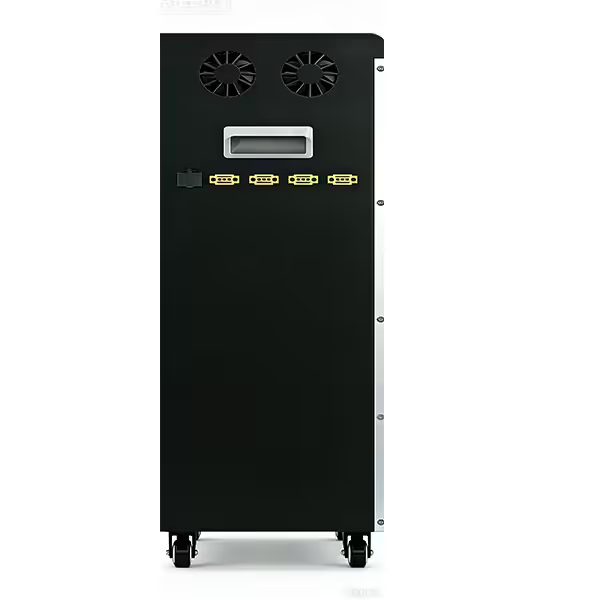
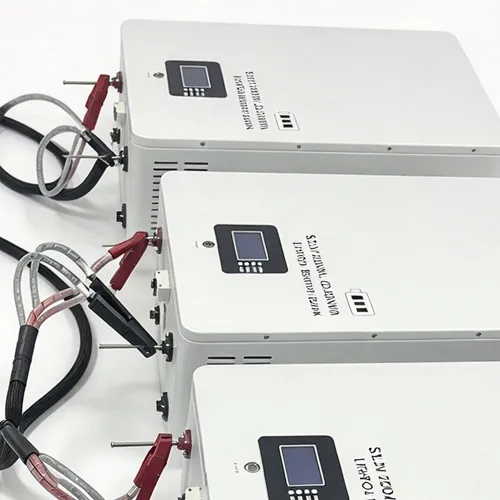
The SIB Series is a floor-standing indoor energy storage system that integrates a pure sine wave inverter, MPPT solar controller, LiFePO₄ battery, smart BMS and electrical protection components in one metal enclosure. This arrangement reduces the need to match separate devices and provides centralized connections for PV input, AC input, AC output and communication wiring.
The front-panel display provides local information about battery level, charging status, load condition and system alarms. RS485, RS232 and CAN interfaces support communication with compatible equipment, while Bluetooth and GPS are available on selected configurations. Remote monitoring from a phone or computer depends on the selected model, communication module and software platform, so these functions should be confirmed before ordering.
Choose the inverter according to the highest simultaneous running load and appliance startup demand. The listed 1 kW, 3 kW and 5 kW models provide up to 2 kW, 6 kW and 10 kW of peak output, respectively. However, a peak rating does not guarantee that every pump, refrigerator or air conditioner will start. Check the equipment nameplate, startup current, surge duration and whether multiple motor loads may start at the same time.
Choose battery capacity according to daily energy use and required backup time. The SIB Series uses 25.6 V or 51.2 V battery platforms with storage configurations from 2.56 kWh to 15.36 kWh. A larger battery can extend backup duration, but it cannot operate loads above the selected inverter’s continuous or peak limits. Backup estimates should account for usable battery energy, inverter losses, load variation, temperature and solar charging.
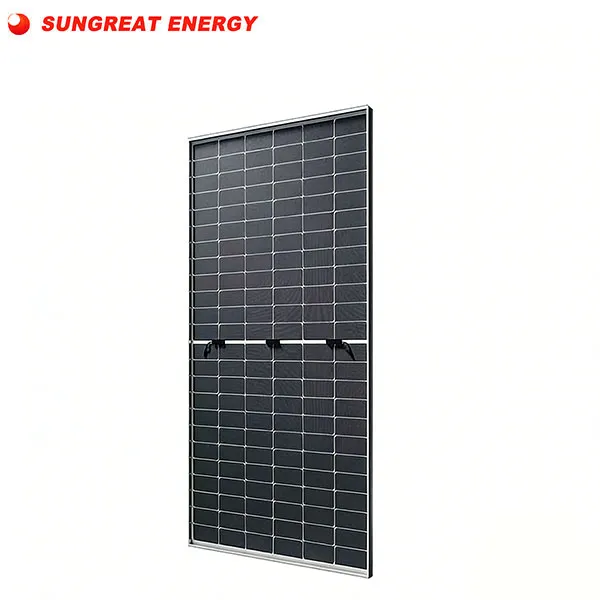
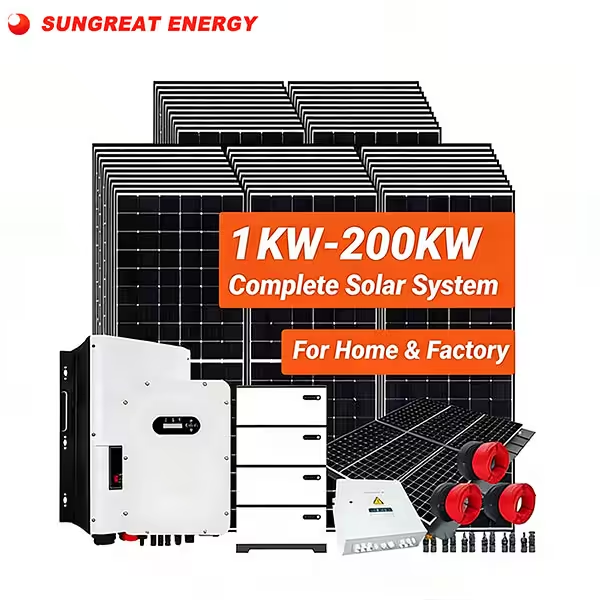
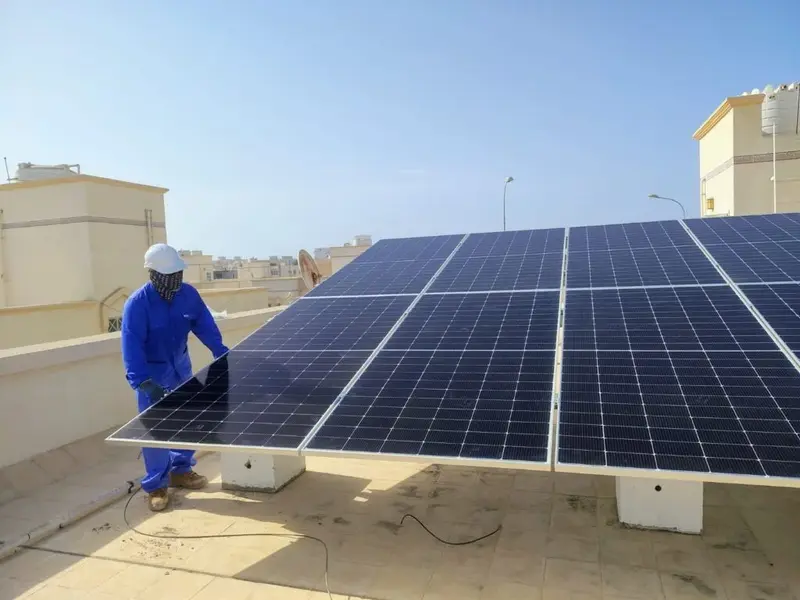
PV design must also match the selected SIB model. The listed PV input range is 120–430 V DC, so panel Voc, Vmp, string length and temperature conditions should be checked before finalizing the array. EPC buyers may review N-Type TOPCon bifacial solar panels as a separate PV option, but the panel configuration is not automatically compatible with every SIB model and must be confirmed against the final electrical design.
If a project needs separate PV panels, a hybrid inverter, battery storage, mounting structures and protection components rather than one integrated cabinet, compare the Complete Hybrid Solar Power System SY Series. The SY Series uses a different system architecture and should be evaluated as an alternative complete system, not as an add-on battery or plug-and-play extension for the SIB Series.
The IP20 metal enclosure is intended for indoor installation, not direct exposure to rain or other outdoor conditions. Install the unit on a stable floor with sufficient clearance for ventilation, cable connections and routine access. Side handles and wheels assist positioning, but the final installation must account for equipment weight, cable routing, grounding, local electrical requirements and service access.
Before ordering, confirm the exact inverter model, battery voltage, storage capacity, PV input range, communication functions, backup target and local installation conditions. A qualified electrician or system installer should complete the wiring and commissioning according to the approved configuration and applicable electrical requirements.
All-in-One Solar Inverter and Lithium Battery ESS SIB Series for Commercial EPC Packaging & Delivery
SIB units are prepared with terminal protection, moisture-resistant wrapping, reinforced foam and export-grade cartons or wooden cases, depending on the confirmed order and shipping requirements. Before shipment, the model label, accessories, dimensions and gross weight are checked against the approved configuration, and the inspection records are verified.
For lithium-battery shipments, the applicable document set is confirmed according to the battery configuration, destination, carrier and shipping method. Documents that can be provided where required include UN38.3, MSDS/SDS, transport condition appraisal, Dangerous Goods Package Certificate, packing list, commercial invoice and dangerous-goods declaration. The exact documents, packaging marks and dangerous-goods booking requirements should be confirmed before dispatch.
The standard order lead time is normally 15–22 days, depending on order quantity and customization. Shipping routes, dangerous-goods space, customs requirements and container loading are reviewed in advance. Final delivery timing depends on the destination, carrier schedule, customs clearance and local delivery arrangements.
FAQ of All-in-One Solar Inverter and Lithium Battery ESS SIB Series for Commercial EPC