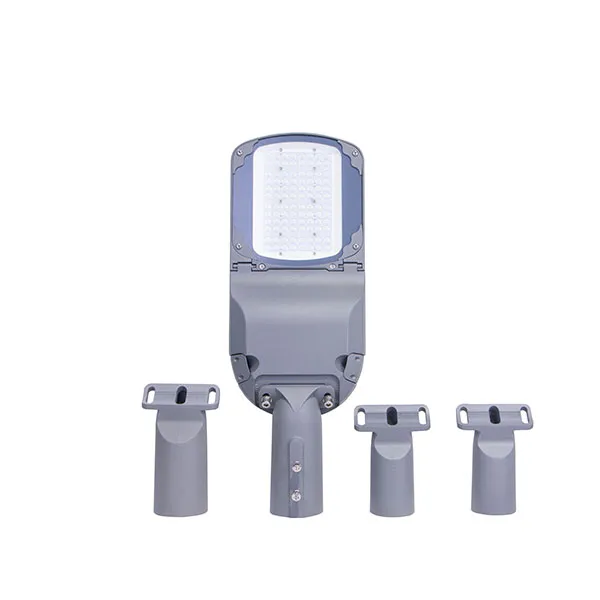
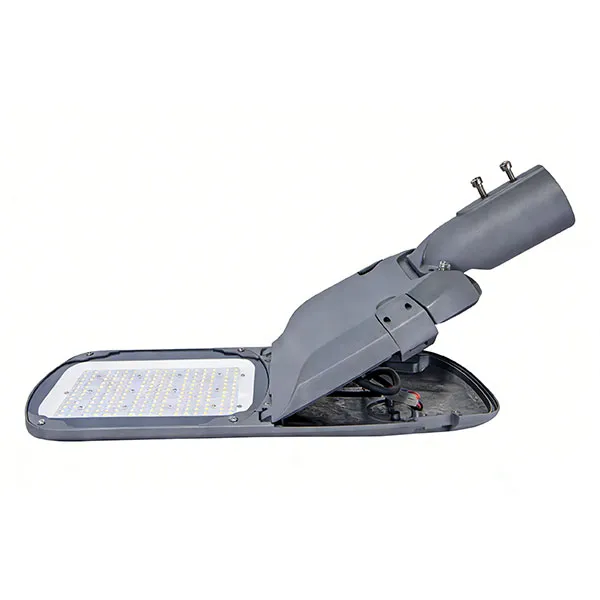
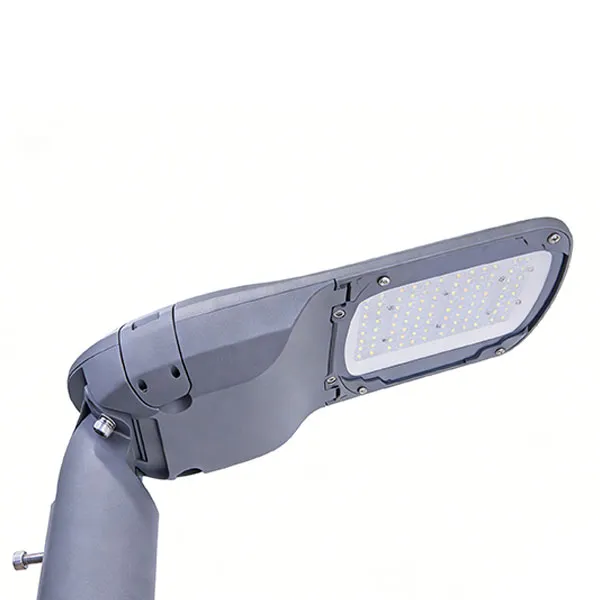
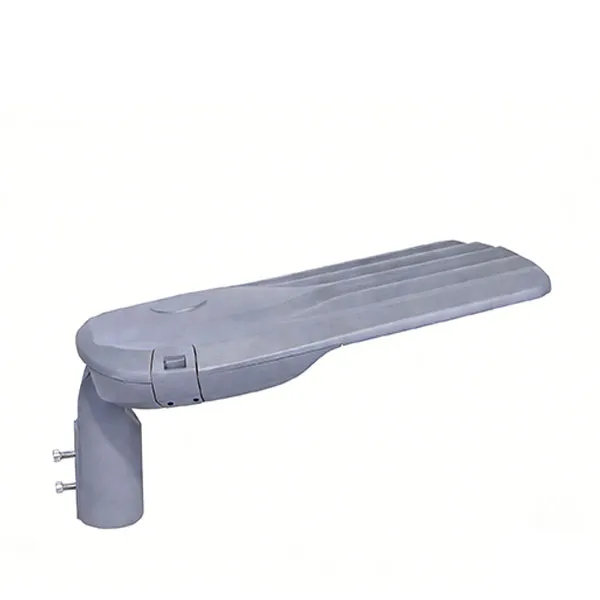
Flexible 30W–200W AC LED Street Lighting for Municipal Roads and Retrofits
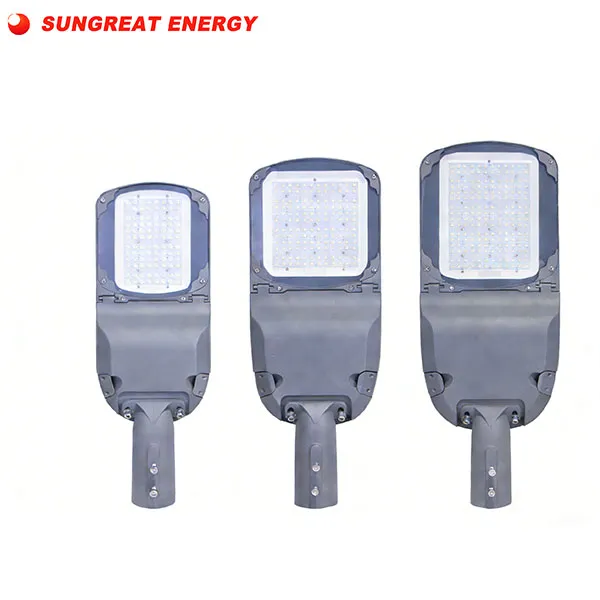
Selecting a mains-powered LED street light only by wattage can leave dark areas, create glare, or waste energy when the fixture does not match the road layout. The Sungreat Energy LA Series offers six AC-powered options from 30W to 200W, with 5,400–44,000 lumens and 180–220 lm/W efficiency. Type III roadway distribution, AC100–277V input, 50/60Hz operation, power factor above 0.95, IP66 protection, and 10kV surge protection support municipal and commercial road projects.
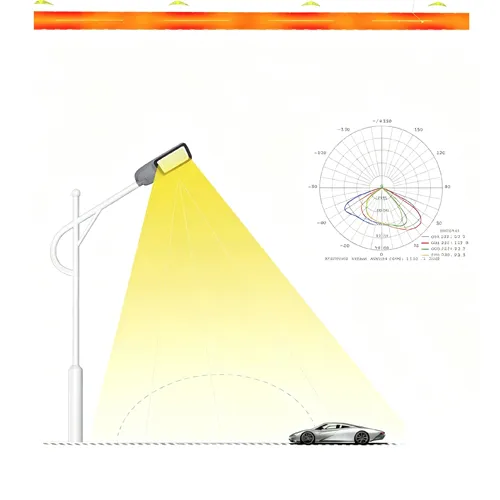
As preliminary planning references, 30W–50W models are generally considered for 4–6m mounting heights and 15–25m pole spacing. The 80W–100W models are grouped for 6–10m mounting heights and 25–40m spacing, while 150W–200W models are referenced for 8–15m mounting heights and 30–50m spacing. These figures do not replace a project lighting design. Final selection should consider road width, pole layout, arm length, mounting angle, target illuminance, uniformity, and glare limits. CCT can be customized from 2700K to 6500K, with optional photocells, PIR or microwave sensors, and power/CCT controls confirmed for the project.
LED Street Light Outdoor Road Lighting 30W to 200W LA Series Technical Specifications & Datasheet
| Model |
LA |
| Watts(w) |
30W |
50W |
80W |
100W |
150W |
200W |
| Lumens(Lumens) |
5400-6600LM |
9000-11000LM |
14400-17600LM |
18000-22000LM |
27000-33000LM |
36000-44000LM |
| Voltage(V) |
AC 100-277V |
AC 100-277V |
AC 100-277V |
AC 100-277V |
AC 100-277V |
AC 100-277V |
| Frequency |
50/60Hz |
50/60Hz |
50/60Hz |
50/60Hz |
50/60Hz |
50/60Hz |
| LED Chip |
Philips/Osram/USA Bridgelux |
| Optical Distribution |
Type III |
| Power factor |
>0.95 |
| CCT(K) |
2700-6500K(customized) |
| CRI |
>80 |
| Surge protection |
10KV |
| Lighting Efficiency |
180-220lm/w |
| Work Temperature |
-30℃-+55℃ |
| Photocell |
An optional photocell allows for security and energy saving |
| Motion Sensor |
PIR Sensor, plug-in, and play Microwave Sensor, optional |
| Power and CCT controller |
The wattage and CCT can be changed by selecting the option on the controller |
| Material |
Aluminum+PC |
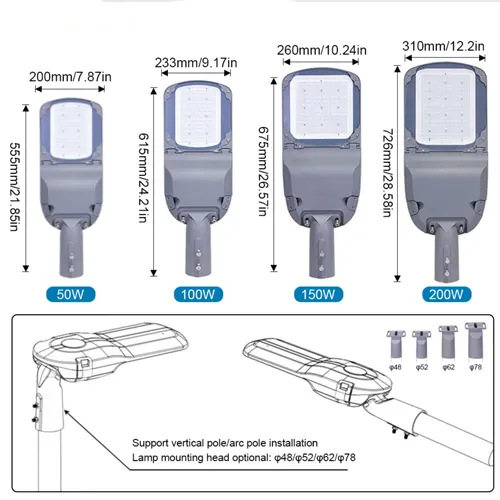
| Pole Upper Diameter |
φ70-φ76mm |
| IP Rating |
IP66 |
| Mounting Height(Recommend) |
4-6m |
4-6m |
6-10m |
6-10m |
8-15m |
8-15m |
| Space between Poles(Recommend) |
15-25m |
15-25m |
25-40m |
25-40m |
30-50m |
30-50m |
| Warranty |
5 Years |
Stop Guessing—Choose the Right 30W–200W Street Light for Your Road
30W or 200W? One wrong choice can mean dark spots, glare or wasted power on every pole. See which LA model fits before you buy.
LA Series 30W–200W AC-Powered LED Street Light for Municipal Road Projects
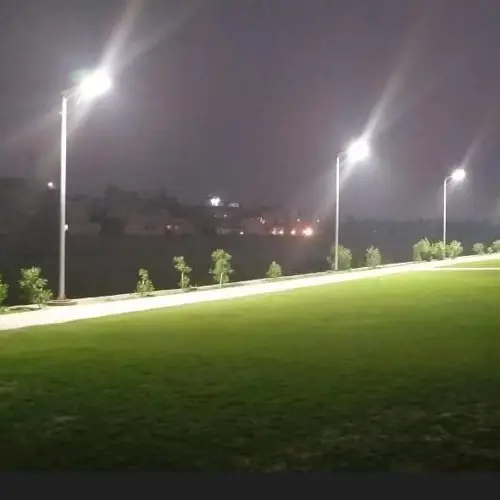
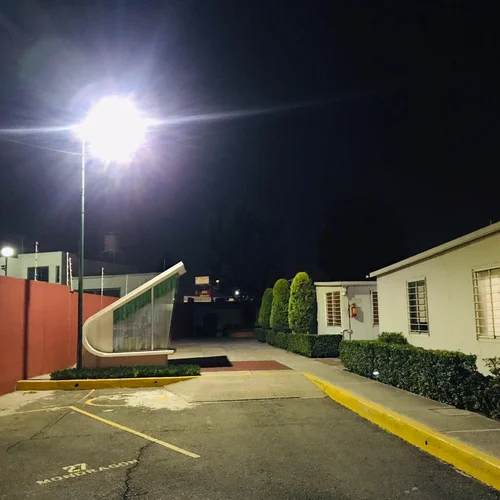
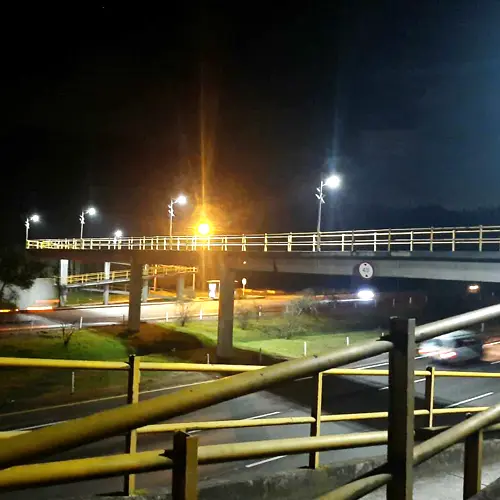
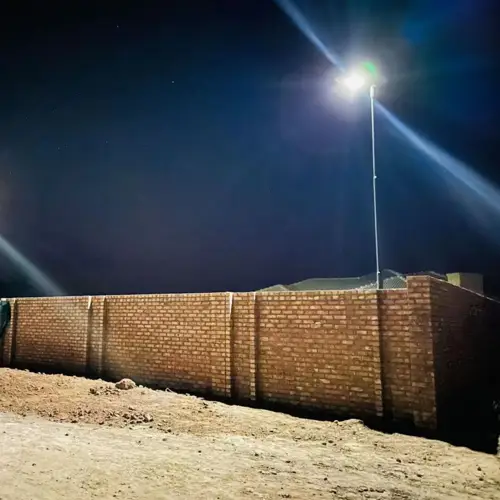
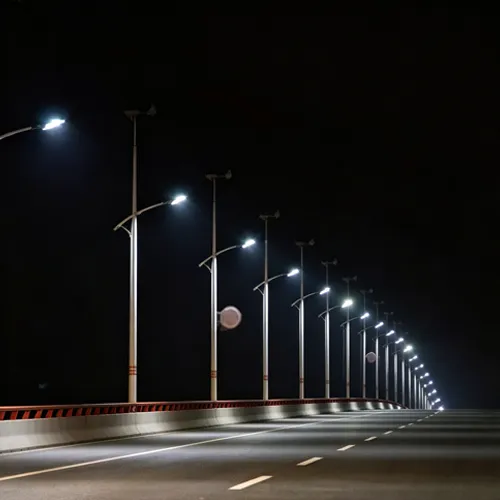
LED Street Light Outdoor Road Lighting 30W to 200W LA Series Project & Application Cases
The Sungreat Energy LA Series is a grid-connected roadway lighting platform for municipal roads, residential streets, industrial access routes, and logistics corridors. Its six power options from 30W to 200W allow different sections of a project to use suitable outputs while keeping the same basic luminaire platform.
For buyers comparing a grid-connected fixture with an off-grid option, the solar street light vs grid-powered LED street light comparison guide can help clarify the power-source decision before the road-lighting layout is finalized.
The figures below are preliminary engineering references for planning. They are not fixed lighting layouts or guarantees of final illuminance or uniformity.
| Reference Application |
LA Configuration |
Preliminary Installation |
12-Hour Energy Use |
| Residential or Local Streets |
30W–50W |
4–6m mounting height; 15–25m pole spacing |
0.36–0.60 kWh/light |
| Secondary Roads & Industrial Access |
80W–100W |
6–10m mounting height; 25–40m pole spacing |
0.96–1.20 kWh/light |
| Urban Main Roads & Logistics Corridors |
150W–200W |
8–15m mounting height; 30–50m pole spacing |
1.80–2.40 kWh/light |
Energy Use Note: These estimates use rated power × 12 hours and show electricity consumption only. A photocell controls automatic on/off timing, while dimming or custom schedules can reduce actual energy use when permitted by the project.
Important Planning Checklist Before You Order
Check Electrical Voltage: For projects in Kenya, the Philippines, Saudi Arabia, or similar markets, confirm that the local supply matches the required AC100–277V, 50/60Hz input.
Confirm Lighting Design: Check the final wattage and quantity against road width, lane count, pole positions, arm length, mounting angle, target illuminance, uniformity, glare limits, and local lighting requirements. Use the selected fixture’s IES file in DIALux before approving the layout.
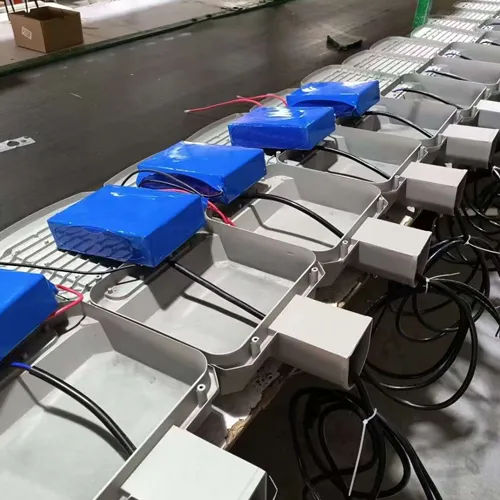
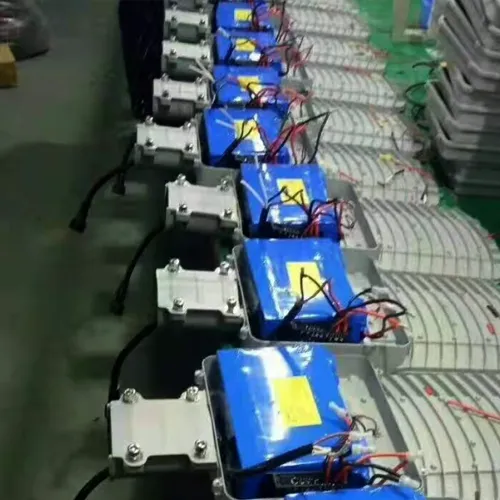
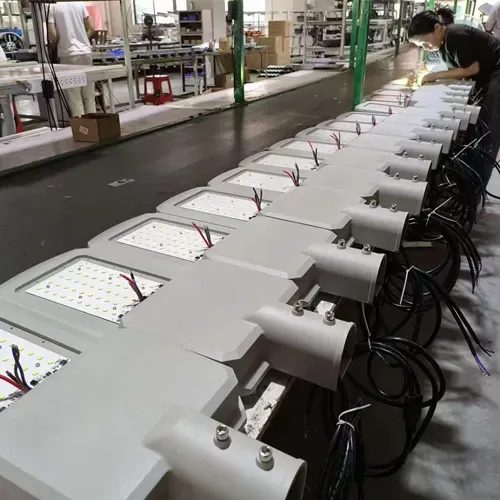
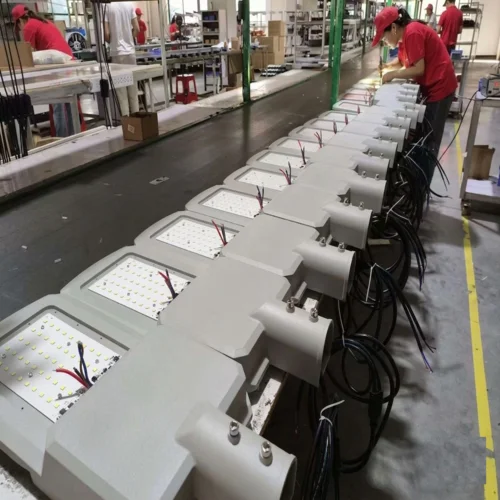
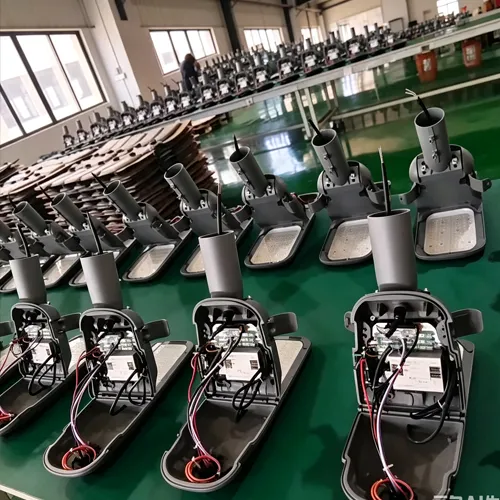
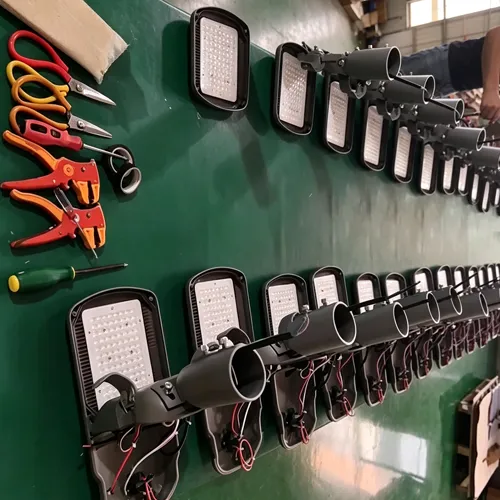
LED Street Light Outdoor Road Lighting 30W to 200W LA Series Production Process
Configuration Lock: Production starts after the approved order specification is confirmed. The record covers the selected output—30W, 50W, 80W, 100W, 150W, or 200W—along with AC100–277V input, LED configuration, CCT, Type III optics, 10kV surge protection, and any ordered control options.
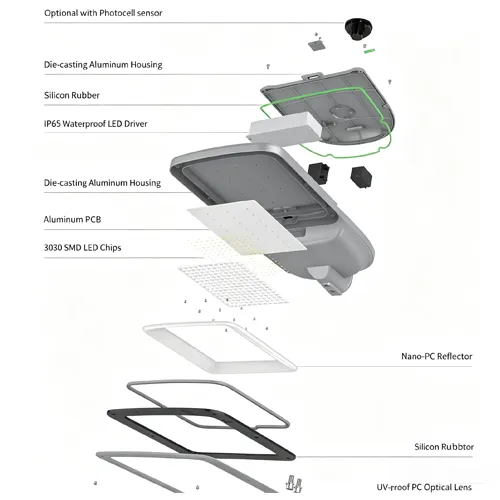
Component Matching: Before assembly, the LED board, driver, lens, gasket, housing, cable entry, and 70–76mm mounting interface are checked against the confirmed bill of materials. This step helps prevent wattage, CCT, and control versions from being mixed within the same municipal order.
Assembly & Functional Inspection: After mechanical and electrical assembly, the inspection covers wiring, power configuration, light-output consistency, and the response of any ordered photocell, motion sensor, or power/CCT controller. Before the housing is closed, the sealing surfaces, fasteners, and cable entries are checked to reduce assembly-related water- and dust-ingress risks.
Traceable Release: Each finished luminaire is identified by wattage, CCT, control option, and batch number. For mixed-model orders, units can be separated by road section or pole schedule, helping EPC teams match the approved fixture configuration with its planned installation position.
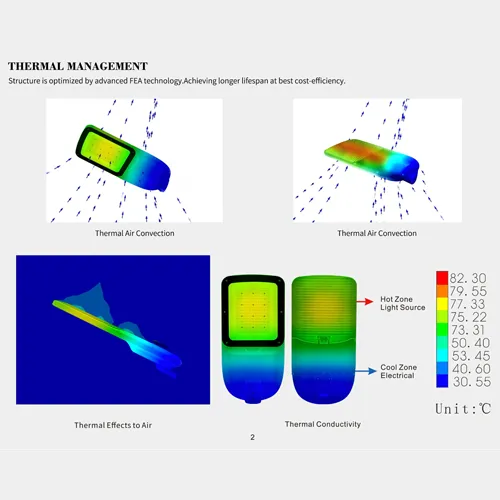
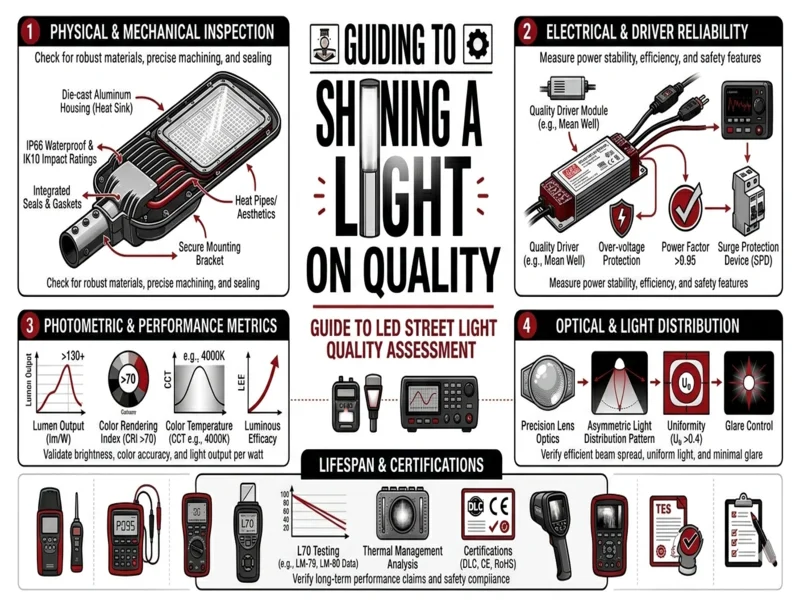
For buyers checking the main evaluation points behind the process, this LED street light quality guide covers efficacy, IES files, IP protection, driver choice, and thermal management.
LED Street Light Outdoor Road Lighting 30W to 200W LA Series Overview & Details
Output and Electrical Setup
The Sungreat Energy LA Series is a grid-connected roadway lighting platform with six power options: 30W, 50W, 80W, 100W, 150W, and 200W. Luminous output ranges from 5,400–6,600 lm at 30W to 36,000–44,000 lm at 200W, with 180–220 lm/W efficacy across the series. AC100–277V, 50/60Hz input and a power factor above 0.95 suit common municipal and commercial power networks. IP66 protection and 10kV surge protection support outdoor road applications.
Roadway Distribution and Model Selection
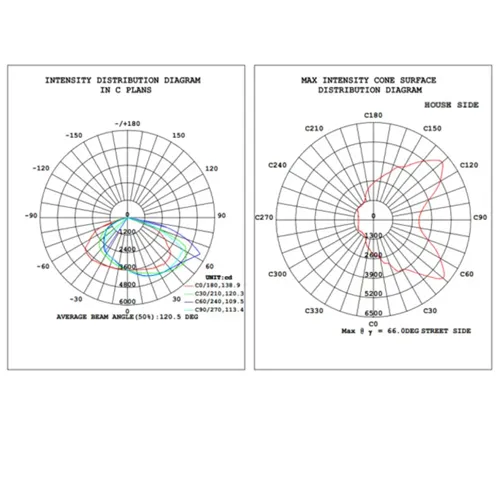
Type III roadway distribution helps direct light along the road, so wattage alone should not be used to judge coverage. As preliminary references, 30W–50W models are considered for 4–6m mounting heights and 15–25m pole spacing; 80W–100W models for 6–10m heights and 25–40m spacing; and 150W–200W models for 8–15m heights and 30–50m spacing. The final layout depends on road width, pole spacing, arm length, mounting angle, target illuminance, uniformity, and glare limits.
If a different housing format is being compared while keeping an AC-powered roadway fixture, the LE Series shoebox LED street light is another option to review. Use the selected fixture’s IES file in DIALux to check the proposed layout before approving the bill of quantities.
Color Temperature and Control Options
Color temperature can be specified from 2700K to 6500K according to the road environment and project requirements. Optional photocells, PIR or microwave sensors, and power/CCT controllers can be added, but confirm the selected control configuration before approving the final bill of quantities.
LED Street Light Outdoor Road Lighting 30W to 200W LA Series Packaging & Delivery
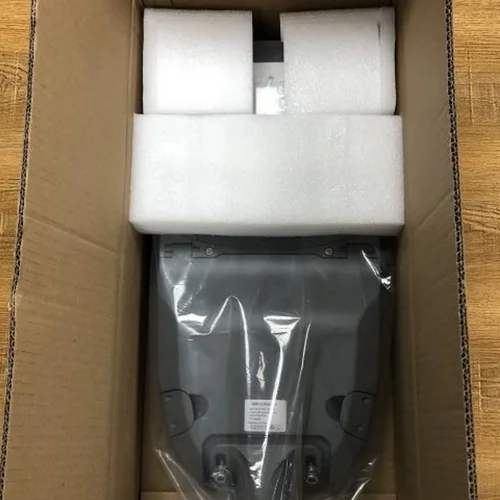
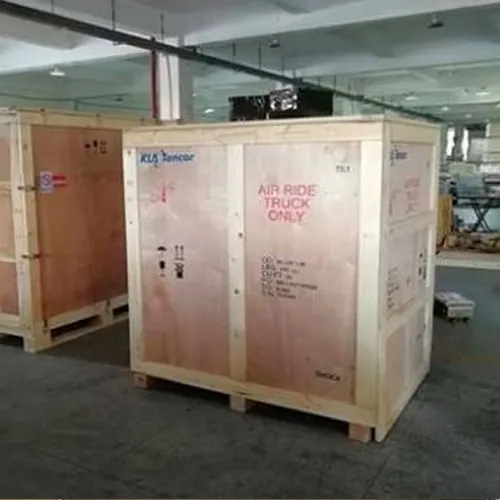
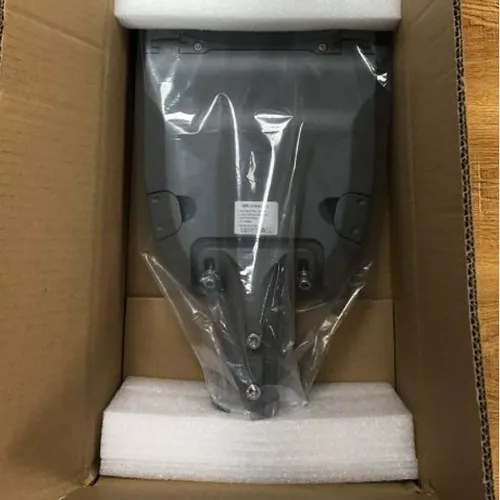
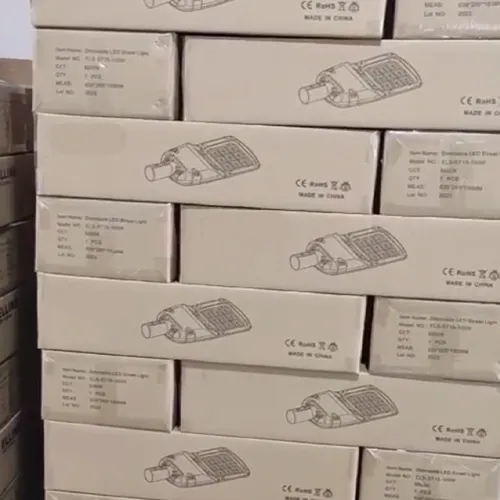
The LA Series includes 30W–200W mains-powered LED street lights. Packaging is arranged to protect the PC optical surface, die-cast housing edges, mounting interface, and cable entry during handling and transportation. Protective separation is placed between the bracket, metal accessories, lens, and housing to reduce contact damage.
When photocells, sensors, or power/CCT controllers are included, they are packed and labeled according to the confirmed order configuration. This helps installers identify the correct accessories for each luminaire during installation.
Before dispatch, the packing list should clearly show:
- Quantity and wattage of lights in each carton
- CCT and optional control configuration
- Location of accessories and spare parts
- Purchase order, batch, or road-section reference
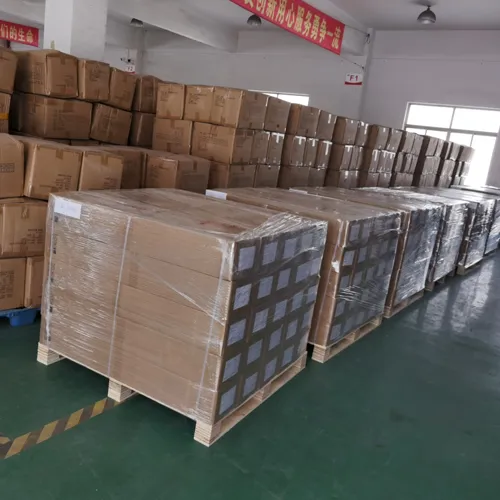
- Carton dimensions, weight, and pallet arrangement
For mixed-wattage orders from 30W to 200W, carton labels can include the road section, pole number, or installation position. This helps the site team locate the correct fixture without opening multiple cartons.
Container loading quantity, shipping method, production lead time, transport schedule, customs clearance, and inland delivery should be confirmed after the final wattage mix, packaging dimensions, pallet requirements, destination, and customs conditions are known.
FAQ of LED Street Light Outdoor Road Lighting 30W to 200W LA Series