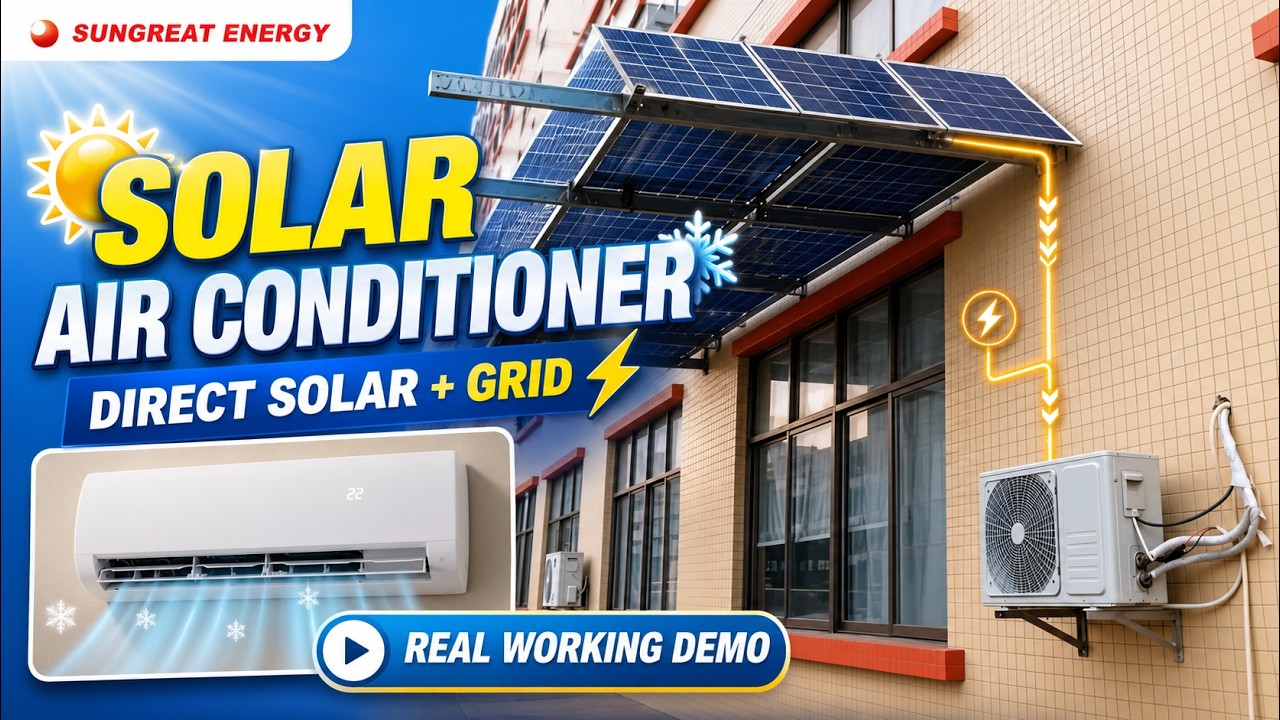






Solar air conditioners are a new kind of energy–efficient cooling system that helps reduce the impact of rising temperatures while keeping your energy bills low. But if your solar-powered cooling system suddenly stops cooling well, it can turn your eco–friendly space into something uncomfortable.
When a solar air conditioner stops working properly, the problem isn’t always something simple like a dirty filter or a broken fan.
These renewable energy cooling setups include solar panels, special power converters, battery storage, and unique compressors, which can all contribute to the issue. This guide explains why your DC-driven cooling equipment might not be cooling as it should and gives you the steps you need to fix the problem and get it working efficiently again.
System Architecture Overview
Solar air conditioners come in three main types:
These use solar power directly as DC electricity and store energy in deep cycle batteries to keep the system running when the sun isn’t shining.
These mainly use solar power during the day but switch to grid electricity if the solar power isn’t enough.
These use solar collectors to warm up the refrigerant before it reaches the compressor, which makes the compressor work less hard.
Isolating the Power Supply
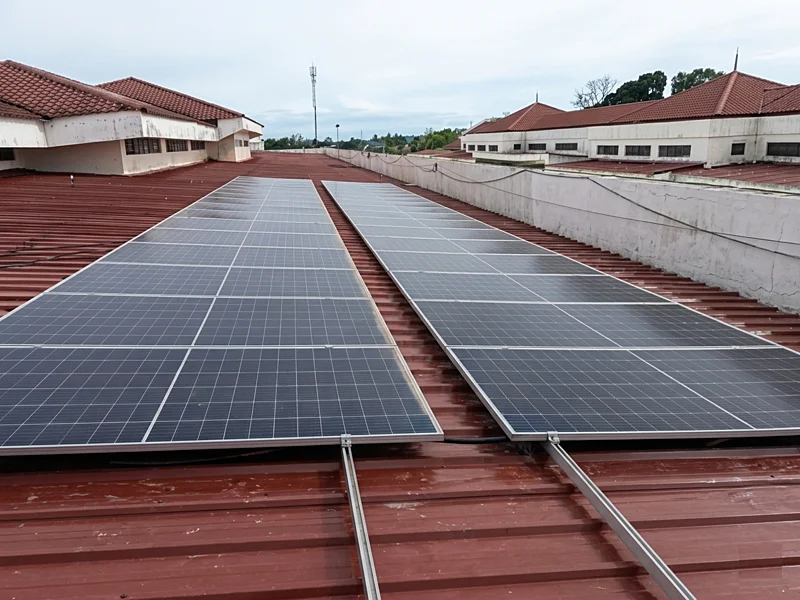
Solar AC units depend on sunlight, so if there’s not enough electricity, the compressor can’t work properly.
1. Panel Soiling & Shading
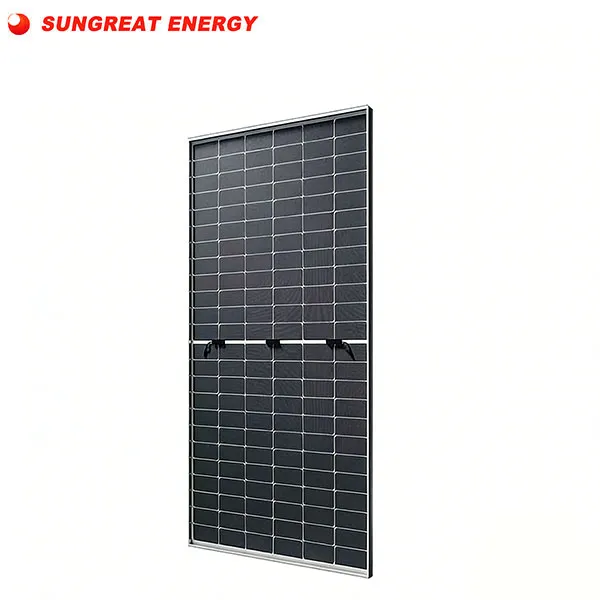
Dirt, dust, or shadows on the solar panels can reduce energy production by more than 20%. To fix this, clean the panels early in the morning or evening and make sure nothing is blocking the sunlight..
2. Controller/Inverter Issues
Problems with the charge controller or inverter, like faulty MPPT settings or overheated parts, can stop the system from getting enough power. To fix this, check for error messages and clean the cooling fans to prevent overheating.
3. Battery Depletion (Off-Grid)
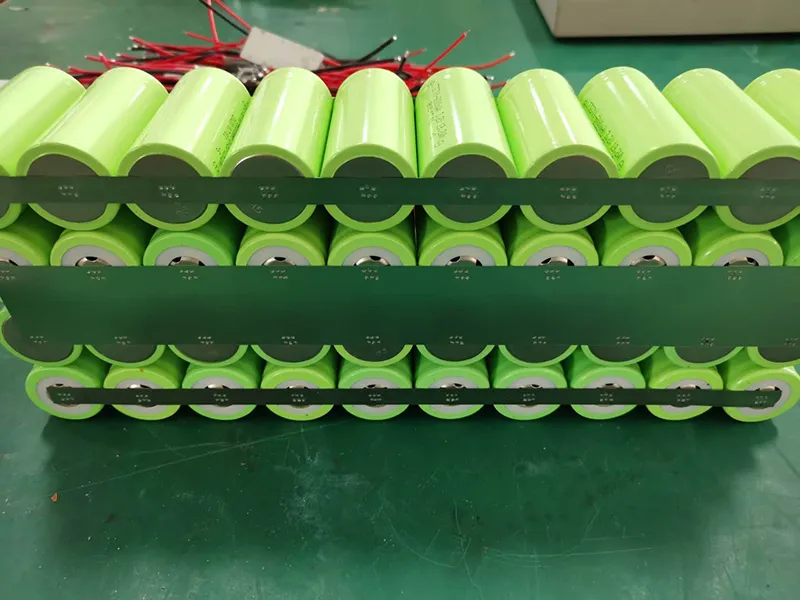
Old batteries can lose their ability to hold a charge, which causes voltage drops when the compressor starts up. To fix this, check the battery voltage when the system is running and recharge or replace the batteries if needed.
Diagnosing The Faults
If the power supply is working fine, the problem is likely in the refrigeration system.
1. Airflow Restrictions:
Dirty filters or blocked coils can stop air from moving, causing the evaporator coils to freeze. To fix this, clean or replace the filters and make sure there’s enough space around the outdoor unit.
2. Refrigerant Leaks
If there’s not enough refrigerant, the suction pressure drops, and the system can’t absorb heat properly. To fix this, contact a professional HVAC technician to check for leaks, repair them, and add more refrigerant.
3. Compressor Malfunctions
Worn parts inside the compressor or overheated wiring can stop the refrigerant from moving. To fix this, listen for strange noises like clicking or buzzing and check the inverter board or overload switches.
Technical Specifications
To help find performance issues, use the table below to match common problems with possible system failures and standard measurements.
| Component System | Observable Symptom | Technical Diagnostic Metric | Recommended Corrective Action |
|---|---|---|---|
| Photovoltaic Array | System cools well at noon but drops performance in the afternoon or during light cloud cover. | Solar DC voltage is normal, but operating amperage drops below 40% of rated capacity. | Clean the PV array surface; trim nearby plants to prevent partial shading. |
| Battery Storage | AC turns off suddenly after sunset or switches to grid power right when the sun sets. | Voltage drops below the cut-off level (<11.5V per 12V block or <48V for a 48V battery bank) when under load. | Run a full battery equalization cycle; check individual cells for swelling or high internal resistance. |
| Evaporator Assembly | Weak airflow from the indoor unit; faint blowing sounds; water dripping from the indoor plastic housing. | Air temperature difference across the coil is less than 8°C (14°F); ice is visible on the coil surface. | Turn off the cooling system; clean the multi-layered air filters; clear the condensate drain line. |
| Refrigeration Loop | Compressor and fan run constantly, but the air from the vents is only warm. | Low-side suction pressure is below the normal range for the specific refrigerant (e.g., R410A / R32). | Hire an HVAC technician to locate the leak, fix the connection, and refill the system. |
Maintenance Best Practices
To make your solar air conditioning system last longer and avoid sudden problems, follow a strict maintenance
plan:
- Clean Filters Every Two Weeks: In places with a lot of dust, wash the indoor air filters every two weeks.
This keeps the airflow clear and protects the system’s internal parts from dirt buildup. - Check Solar Panels Monthly: Look for dust, leaves, or bird droppings on your solar panels.
If your inverter can track energy production, set up automatic alerts for cleaning. - Get a Professional Inspection Once a Year: Have an HVAC expert check electrical contacts, tighten terminals, check refrigerant pressure, and assess battery condition before the busy summer season.
By keeping up with regular refrigeration care and taking good care of your solar panels, your system will give you dependable, affordable cooling for many years.
Upgrade Your Power Fleet?
Are you interested in adding high–performance, Grade A LiFePO4 portable power stations to your product line or a new project?
Let’s discuss the details.Reach out to the Sungreat Energy Sales Team today to get technical data, bulk pricing, or options for OEM/ODM customizations!
www.sungreatenergy.com
+86-15776467829
[email protected]