





1. What Is a Solar Battery?
A solar battery is a device that stores electricity from solar panels as chemical energy and releases it when needed, like during low sun or power outages.
Unlike car batteries or basic backup power units, residential solar batteries are built to be used many times (deep discharges of 80% to 90% or more) for thousands of cycles over 10 to 15 years.
1.1 Anatomy of a Residential BESS
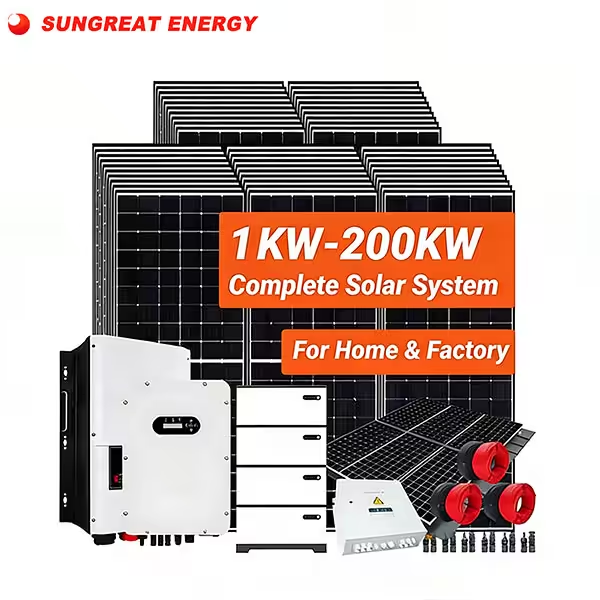
A complete residential BESS has four main parts:
- Electrochemical Cells & Modules: These are individual cells connected in series or parallel to reach the needed voltage (e.g., 51.2V low–voltage or 200V–600V high–voltage stacks).
- Smart Battery Management System (BMS): This system manages the battery by balancing the cells, tracking the charge, controlling temperature, and protecting against over–charging or over–discharging. It also communicates through CAN/RS485/Modbus.
- Hybrid / Battery Inverter & Power Conversion System (PCS): This part converts the stored DC power into AC during discharge, and converts AC power into DC during grid charging.
- Thermal & Enclosure Assemblies: These are weatherproof enclosures with cooling systems to keep the batteries at the right temperature (15°C to 30°C).
2. LFP vs. NMC
For distributors and importers, choosing the right battery chemistry affects reliability, shipping safety, and customer satisfaction.
The industry mainly uses two types of lithium–ion batteries: Lithium Iron Phosphate (LiFePO4 or LFP) and Lithium Nickel Manganese Cobalt Oxide (LiNiMnCoO2 or NMC).
| Technical Parameter | Lithium Iron Phosphate (LFP / LiFePO4) | Nickel Manganese Cobalt (NMC) |
|---|---|---|
| Thermal Runaway Temp | High Stability (~270°C) | Moderate Stability (~210°C) |
| Cycle Life (80% DoD) | 6,000 – 10,000 Cycles | 2,000 – 3,500 Cycles |
| Cell Nominal Voltage | 3.2 V | 3.6 V – 3.7 V |
| Toxicity / Material Safety | Cobalt-free, Eco-friendly, Non-toxic | Contains Cobalt & Nickel |
| Round-Trip Efficiency (RTE) | 92% – 96% | 90% – 94% |
| UN 38.3 Shipping Risk | Exceptionally Low (Stable) | Moderate (Requires strict Hazmat) |
Industry Verdict for Distributors: LFP has become the standard for home energy storage. According to research from the International Energy Agency (IEA), LFP is used in over 80% of new residential and stationary storage systems around the world because of its better safety and longer life. International Energy Agency (IEA)
3. Solar Batteries Working
The way a home solar energy storage system works follows a four-step daily cycle. This cycle is managed by smart inverter software and automatic grid controls to make the system run as efficiently as possible.

3.1 The Four-Phase Daily Cycle
- Morning Generation & Direct Use (7:00 – 10:00): As the sun comes up, solar panels create electricity in direct current (DC) form. This electricity is sent directly to the home to power devices. If the solar panels make more electricity than the home needs, the extra is used to charge the battery.
- Midday Peak Storage (10:00 – 16:00): Solar panels produce the most electricity during this time. After the home uses all the electricity it needs, any extra is stored in the battery until it is fully charged. If the battery is already full, the extra electricity is sent to the power company under local rules that allow you to get credit for the electricity you send back.
- Evening Discharge & Peak Shaving (16:00 – 22:00): The sun starts to set, the home uses more electricity, especially during the evening. The battery releases the stored electricity, which is converted to alternating current (AC) by the hybrid inverter, and then used to power the home. This helps avoid buying expensive electricity from the grid during peak hours.
- Overnight Standby & Backup (22:00 – 7:00): At night, the system uses a mix of stored energy and cheaper electricity from the grid. Some energy is kept in reserve for emergencies, like power outages, to make sure the home stays powered.
3.2 System Design
When installing a solar battery system, it’s important to choose the right design based on whether the home is new or being upgraded.
DC-Coupled Systems: The solar panels and the battery are connected to the same DC system before it is converted to AC. This helps save energy because the conversion from DC to AC only happens once when the electricity is used in the home.
AC-Coupled Systems: The battery has its own inverter that connects directly to the home’s existing AC wiring. This makes it easier to install in older homes that already have solar panels without needing to replace the main inverter.
4. Main Reasons of Usage
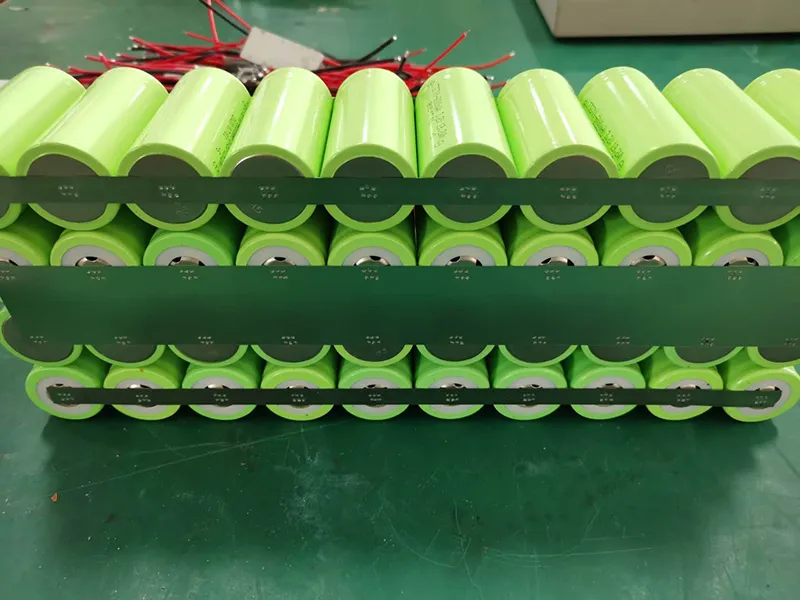
High-quality LiFePO4 lithium battery pack used in VS series smart solar street lights with 3000 times charge and discharge cycles.
4.1 Reducing Peak Bills
Many power companies are changing how they charge for electricity to reflect different times of the day. In the U.S. Energy Information Administration (EIA), for example, electricity is often more expensive in the evening than in the morning. Solar batteries allow you to use cheaper electricity from the sun or off-peak hours and save it to use during the expensive peak hours.
4.2 Providing Emergency Power
Power outages can happen due to bad weather, old equipment, or overworked power lines. To help with this, many solar battery systems have special switches that automatically switch from the grid to battery power in less than a tenth of a second. This keeps important appliances running without interruption.
4.3 Using More Solar Energy
In some places, like California, new rules make it harder to get money for the extra solar energy you send back to the grid. Instead, it’s better to store the extra energy and use it in your home. This can increase the amount of solar energy you use from about 30% to more than 85%, improving the return on your investment.
5. Important Technical Features
When choosing a solar battery system, there are several key features to pay attention to that can affect performance and value:
- Usable Capacity vs. Nominal Capacity: Nominal capacity shows the total amount of energy the battery can hold, but usable capacity tells how much of that energy can be safely used without damaging the battery. Sungreat Energy batteries have between 90% and 95% usable capacity.
- Depth of Discharge (DoD): This measures how much of the battery’s energy can be used safely. Modern lithium iron phosphate (LFP) batteries can be discharged up to 90% of their capacity without causing too much damage.
- C-Rating: This shows how fast the battery can charge or discharge. A 10kWh battery with a 1C rating can supply 10kW of power for an hour. A 0.5C rating would supply 5kW for two hours.
- Round-Trip Efficiency (RTE): This is the percentage of energy that can be used after being stored and then released. The best systems can have RTE of 94% or higher (NREL Storage Futures Study).
- Thermal Operating Range: Some battery systems have built-in heating and cooling systems so they can work in very cold or hot weather, from -10°C to 50°C.
6. Benefits of Sungreat Energy
For companies that sell or distribute solar batteries, the choice of product affects their profits, how much support they need to offer, and how customers view their brand. Choosing the right system can improve their business and customer satisfaction. Sungreat Energy makes high-quality energy storage systems for homes, businesses, and industries that fit what different countries need.
6.1 Hardware Features
- Modular Stacking Design: These battery towers can be easily added together to increase energy storage from 5 kWh up to 30 kWh, making it easier for distributors to manage their stock and cut down on the number of different products they need.
- Tier-1 Automotive-Grade LFP Cells: The batteries use top-quality LiFePO4 cells that meet strict international safety and performance standards like UL1973, UL9540A, CE, UN38.3, and IEC62619.
- Universal Inverter Compatibility: The system works with many popular hybrid inverters such as Victron, Growatt, Deye, Solis, Luxpower, and SMA through pre-set communication protocols like CAN and RS485.
- Smart BMS with Cloud Connectivity and Remote Diagnostics: The system includes a Wi-Fi or 4G connection that lets technicians update software from a distance, monitor battery cell voltages in real time, and get automatic alerts when something goes wrong, which can save up to 60% in on-site service costs.
Partner with Sungreat Energy
Expand your product portfolio with factory–direct LFP residential and commercial battery systems. We offer OEM/ODM customization, regional agency protection, and complete technical compliance packages.
International Publications & Technical References:
-
- International Energy Agency (IEA), Grid and Residential Energy Storage Report. Available at: iea.org
- U.S. Energy Information Administration (EIA), Electric Power Residential Rate. Available at: eia.gov
- National Renewable Energy Laboratory (NREL), Storage Futures Study: Distributed Solar-Plus-Storage Analysis. Available at: nrel.gov