





The global energy landscape is undergoing a massive shift. As the consequences of burning fossil fuels become harder to ignore, individuals, businesses, and governments are looking for cleaner alternatives. While names like “green energy” and “renewable energy” are often used interchangeably, understanding the specific mechanics behind them—especially the massive potential of solar power—is essential for understanding our planet’s future.

This comprehensive guide breaks down the core concepts of clean energy, dives into how major technologies work, explores the macroeconomic benefits of moving away from fossil fuels, and looks closer at why solar energy has become the fastest-growing power source on earth.
1. What Is Green Energy?
Green energy is any type of energy generated directly from nature—specifically from sources like sunlight, wind, and water. The definitive characteristic of a green energy resource is that it does not release harmful gases, toxic fumes, or carbon pollution into the atmosphere during generation.

Many people assume “green” and “renewable” mean the exact same thing, but there is a subtle, critical distinction:
-
Renewable Energy: Refers to resources that naturally replenish themselves on a human timescale (unlike coal, oil, or natural gas, which take millions of years to form).
-
Green Energy: Refers strictly to resources that provide a net-zero or near-zero environmental impact, producing zero pollution during their life cycle.
1.1 The Biomass Exception
To see this difference in action, look no further than biomass. Biomass plants burn organic agricultural waste, wood scraps, and sawdust to generate power. Because trees and crops can be replanted, biomass is considered renewable.
However, because the burning process itself releases carbon dioxide (CO_2) and particulate matter into the air, it isn’t always strictly green. While biomass emissions are significantly lower than petroleum-based fuels, it requires meticulous management to avoid disrupting regional ecosystems.
Key Takeaway: All green energy is renewable, but not all renewable energy is completely green. True green energy avoids intensive mining or drilling operations that damage ecosystems.
2. Solar Energy Explained
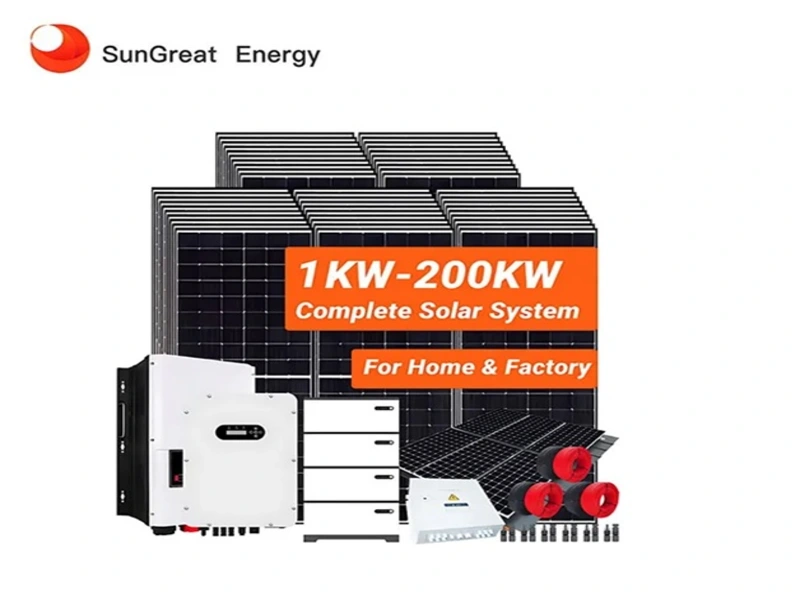
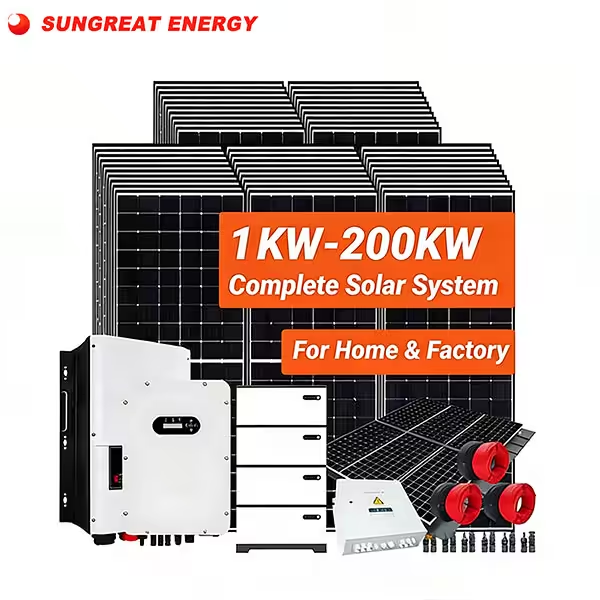
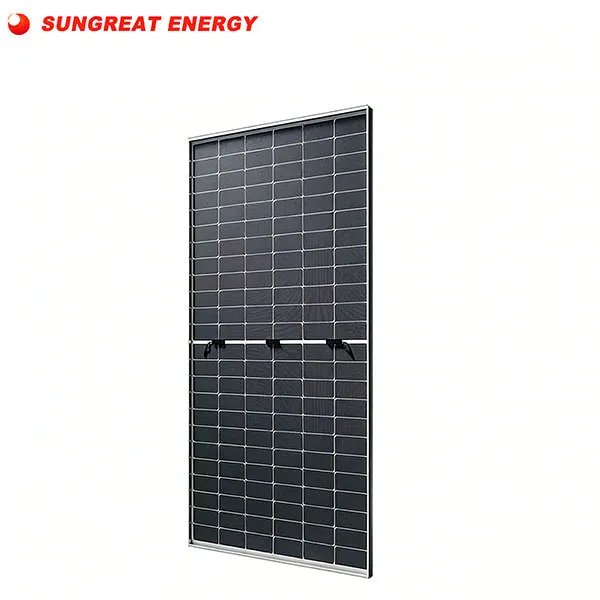
When it comes to accessible, non-polluting energy, solar power is leading the charge. This highly versatile technology relies on photovoltaic (PV) cells to capture sunlight and convert it directly into electricity.
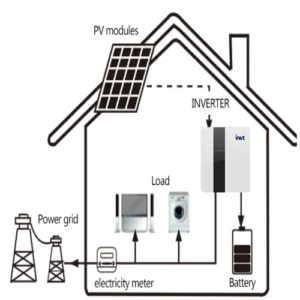
+-------------------------------------------------------------+
|                     HOW SOLAR POWER WORKS                   |
|                                                             |
|  [Sunlight / Photons] ---> [Photovoltaic Cells]             |
|                                     |                       |
|                                     v                       |
|                             [Direct Current / DC]           |
|                                     |                       |
|                                     v                       |
|                             [Inverter System]               |
|                                     |                       |
|                                     v                       |
|                             [Alternating Current / AC]      |
|                                     |                       |
|     +-------------------------------+-------------------+   |
|     |                                                   |   |
|     v                                                   v   |
| [Home Appliances & Grid]                     [Battery Storage] |
+-------------------------------------------------------------+
2.1 The Scaling Power of Solar
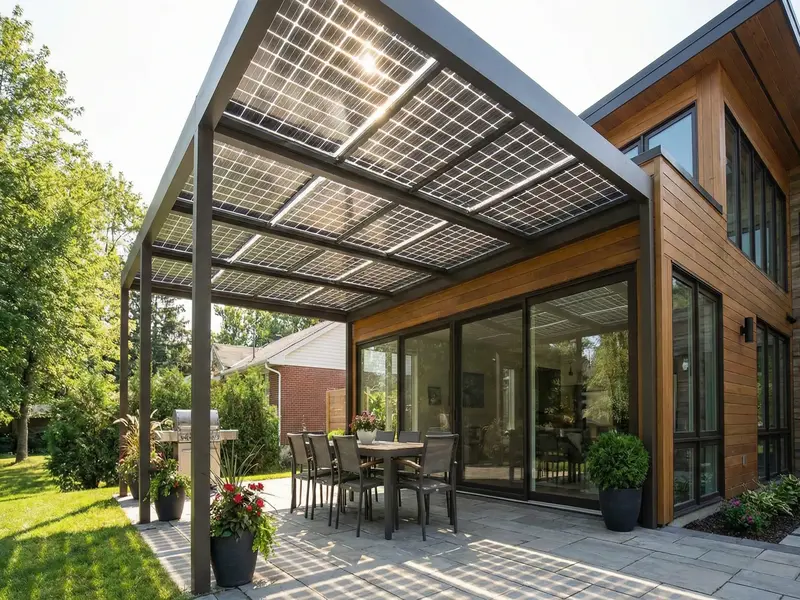
Solar power is uniquely scalable. On a small scale, it is affordable enough for domestic purposes, powering residential homes, running backyard garden lighting, and heating clean water networks. On a larger scale, massive solar farms feature thousands of interconnected panels that generate industrial levels of electricity, powering entire neighborhoods and feeding back into municipal grids.
Beyond electricity, solar thermal systems are widely deployed across the globe for direct heating, water purification, and large-scale cooking infrastructure in developing regions.
3. The Wider Toolkit
To achieve a fully decarbonized society, solar power must work alongside a diverse network of other naturally replenished green energy technologies.
3.1 Wind Power
Particularly suited to offshore regions and high-altitude locations, wind energy harvests the natural kinetic energy of global air currents. As atmospheric pressure differences cause air to move, the wind pushes large, aerodynamic turbine blades. These blades turn an internal rotor, which spins a generator to create electricity. Wind power is highly efficient and can be built at home-scale or as massive offshore arrays.
3.2 Hydropower
Hydropower, or hydroelectric power, uses the natural flow of moving water to spin generation turbines. This can occur on an industrial scale through massive dams and rivers, or on a small scale via localized water pipes within eco-conscious home plumbing networks.
A fascinating subcategory is tidal energy, which captures the predictable kinetic energy of ocean tides caused by the gravitational pull of the moon and sun. Because water is roughly 832 times denser than air, even slow-moving underwater tidal currents can generate massive amounts of reliable electricity.
3.3 Geothermal Energy
This technology taps into the massive reserves of thermal energy stored just beneath the earth’s crust. Geothermal heat has been used safely for thousands of years in natural hot springs. Today, modern geothermal plants drill deep wells into underground reservoirs to harvest high-temperature steam, which directly spins electricity-producing turbines.
According to data compiled by the U.S. Department of Energy (DOE), the raw thermal energy stored underneath the United States alone contains enough heat potential to produce 10 times as much electricity as the nation’s entire coal infrastructure currently provides.
While countries like Iceland have easily accessible geothermal pockets due to local tectonic activity, the technology remains highly location-dependent. Stringent monitoring of drilling procedures is mandatory to minimize regional seismic risks and ensure the process stays 100% green.
3.4 Biofuels
Unlike solid biomass, biofuels involve transforming organic matter into liquid fuel alternatives like ethanol (often derived from corn or sugarcane) and biodiesel (produced from vegetable oils or animal fats).
Biofuels provide a key low-carbon alternative for sectors that are difficult to electrify, such as aviation, shipping, and heavy-duty transport. While biofuels supplied less than 3% of the world’s transport fuel in the early 2010s, historical roadmaps from the International Energy Agency (IEA) estimate that sustainable biofuels have the technical capacity to meet over 25% of global transportation fuel demand by 2050.
4. Why Green Energy Matters
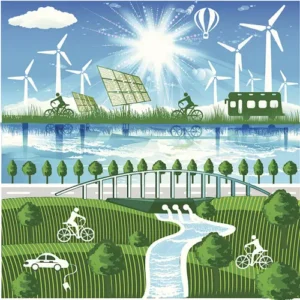
Transitioning away from fossil fuels is no longer just an environmental ideal—it is a clear economic win. Replacing finite, polluting commodities with clean energy alternatives offers massive benefits for both communities and global markets.
4.1 Health Protection
Fossil fuels release greenhouse gases that trap heat in our atmosphere, alongside toxic sulfur dioxide and nitrogen oxides. Even when you calculate the full life-cycle emissions of green energy installations (including manufacturing and transport), they release a mere fraction of the greenhouse gases produced by coal or gas. The reduction in localized air pollution dramatically improves public health, lowering rates of respiratory disease in humans and preserving fragile local ecosystems.
4.2 Global Market Stability
Fossil fuel prices are notoriously volatile, heavily influenced by geopolitical conflicts, localized supply chain failures, and sudden market manipulations.
Because wind, water, and sunlight are distributed everywhere, green energy can be harvested locally. This creates a decentralized energy network. Communities that produce their own solar or wind power are far more resilient to international energy crises and severe, weather-related grid failures caused by climate change.
4.3 Massive Job Creation
Building a clean infrastructure requires a substantial workforce. The transition is driving unprecedented employment growth across manufacturing, engineering, project installation, and maintenance.
According to the latest Annual Review published by the International Renewable Energy Agency (IRENA) in partnership with the International Labour Organization (ILO), global employment in the renewable energy sector has surged to a historic high of 16.6 million jobs. This global workforce will continue to grow as countries expand operations to meet their binding net-zero carbon emissions targets.
5. The Comparative Landscape
To understand how these technologies fit together, we can compare their primary use cases, limitations, and operational profiles:
| Technology | Primary Application | Major Limitation | Scalability Profile |
| Solar Power | Electricity, Domestic Heating, Lighting | Intermittent (Dependent on daylight) | Micro (Residential homes) to Macro (Utility-scale farms) |
| Wind Power | Grid-scale Electricity Generation | Variable wind patterns; space-intensive | High-altitude land installations and large offshore arrays |
| Hydropower | Continuous Baseload Electricity | High initial construction costs; alters local rivers | Large regional dams or micro-scale domestic pipe networks |
| Geothermal | Constant Electricity and District Heating | Heavily dependent on geographic location | Highly localized; requires specialized drilling sites |
| Biofuels | Liquid Transport Fuel (Aviation & Shipping) | Requires careful land management to protect food crops | Industrial agricultural processing and refining plants |
6. Conclusion
Green energy represents the path forward for global power generation. By offering a readily replenished, pollution-free alternative to fossil fuels, these technologies protect public health while creating millions of stable jobs and insulating local economies from global price spikes.
As the installation costs of solar and wind systems continue to fall, clean energy solutions are becoming increasingly viable—especially for expanding communities within the developing world. To protect our planet, secure our infrastructure, and ensure long-term economic stability, fossil fuels must become a thing of the past in our homes, businesses, and power grids.
If you need more information and want to know more, please visit our website: www.sungreatenergy.com or email: [email protected] or WhatsApp: 0086-15776467829
#SolarExplained #GreenEnergy #Renewables #Sustainability #SolarPower #CleanTech