N-Type TOPCon Bifacial Double-Glass Solar Panels for EPC Projects
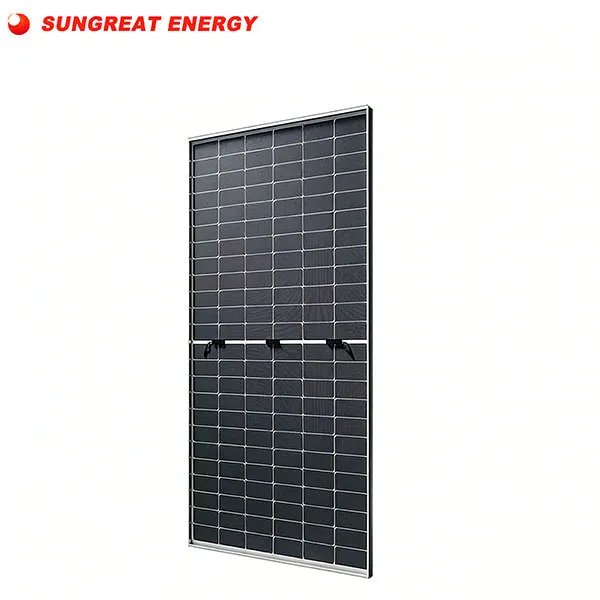
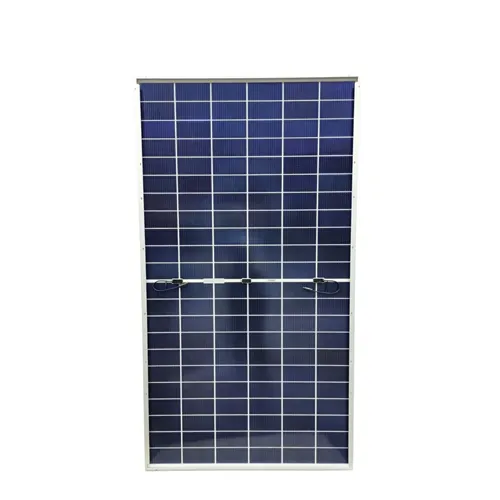
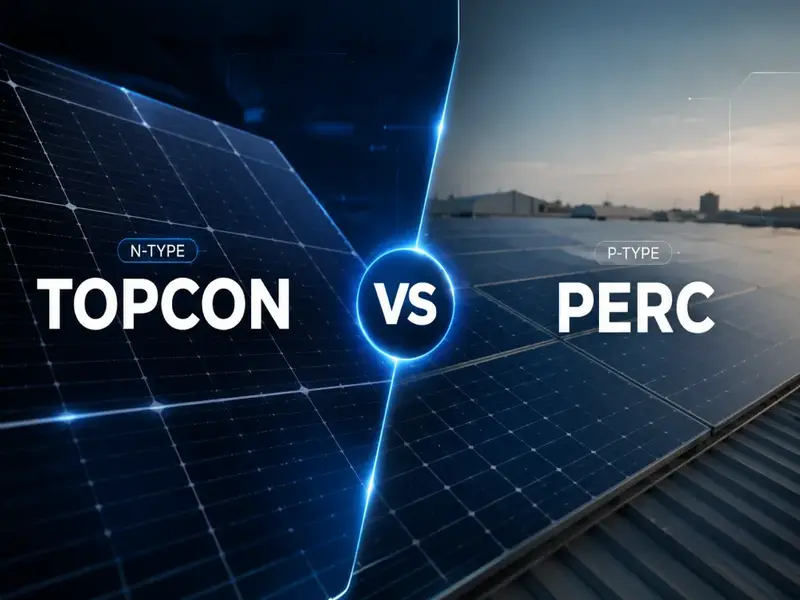
Sungreat Energy’s BSP Series N-Type TOPCon bifacial double-glass solar panels are designed for commercial EPC and utility-scale PV projects. They offer module efficiency of up to 23.69% and a Pmax temperature coefficient of −0.29%/°C, helping limit temperature-related power loss in hot operating conditions.
The bifacial design allows both the front and rear sides to collect sunlight. Actual additional energy depends on ground albedo, mounting height, row spacing, tilt angle and rear-side shading. The 10–30% figure is a reference for suitable installation conditions, not a fixed output value.
The double-glass construction is suited to outdoor PV installation. Its front and rear load ratings should be checked against the selected mounting structure and local site conditions.
For EPC design, wattage is only one part of module selection. The selected panel should be matched with its electrical parameters, inverter limits, string layout, mounting structure and site conditions. For projects comparing different N-Type TOPCon module options, the SP Series N-Type TOPCon Solar Panels can be reviewed separately. The final selection should follow the current model datasheet and project design.
N-Type TOPCon Bifacial Double-Glass Solar Panel BSP Series Technical Specifications & Datasheet
Get Your BSP Bifacial Solar Panel Project Quote
BSP Series N-Type TOPCon bifacial double-glass modules offer up to 23.69% module efficiency and a 5,400 Pa front-load rating for commercial and utility-scale EPC projects.
BSP Series N-Type TOPCon Bifacial Double-Glass Solar Panels | Product Video
N-Type TOPCon Bifacial Double-Glass Solar Panel BSP Series Project & Application Cases
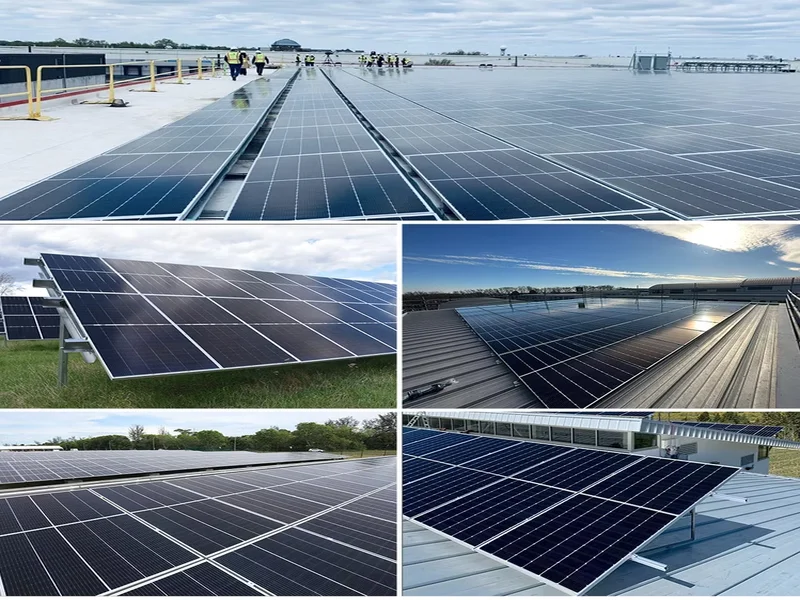
The BSP Series is designed for utility-scale solar farms, commercial and industrial PV plants, and high-capacity off-grid projects. These projects require module power, rear-side light conditions, electrical configuration, mounting structure and site conditions to be evaluated together.
Related Sungreat Energy PV references include a 120 kWp commercial project in Honduras using 585W N-TOPCon modules and an 85 kW+ off-grid farm project in Botswana configured with 136 × 630W high-power 210R modules. A separate Sungreat Energy system reference in Nigeria covers 100 independent 5 kW off-grid solar systems for distributed power applications.
These references cover commercial, agricultural and distributed off-grid environments. They demonstrate experience in module selection, array sizing and PV system configuration. The exact BSP model, power class and electrical configuration should be confirmed for each new project and quotation.
For BSP bifacial modules, ground-mounted layouts with adequate module clearance, suitable row spacing and reflective ground conditions can make better use of rear-side irradiance. The series can also be considered for projects in markets such as Nigeria, Botswana, Saudi Arabia, the UAE, Oman and the Philippines, subject to project-specific design and local requirements.
Actual bifacial energy gain depends on site albedo, mounting height, tilt angle, row spacing and rear-side shading. Before final module selection, EPC teams should review these factors together with the module power class, electrical configuration and mounting structure.
N-Type TOPCon Bifacial Double-Glass Solar Panel BSP Series Production Process
BSP Series production begins with N-Type TOPCon cell matching, stringing and automated lay-up. Robotic positioning controls cell-string placement with sub-millimeter accuracy, helping keep spacing consistent and reducing handling-related alignment and micro-crack risks during high-volume production.
Sungreat Energy uses a two-stage EL inspection process: one scan before lamination and a second after lamination. The pre-lamination scan checks for hidden micro-cracks, weak soldering and cell-grid defects while defective cells can still be replaced. The post-lamination scan checks whether heat, pressure or handling has introduced additional internal damage. Sungreat Energy also applies 100% full-scale EL screening as part of PV module quality verification.
After double-glass lamination, framing and IP68 junction-box installation, electrical output is verified through flash testing. BSP module ratings are referenced under STC conditions of 1,000 W/m² irradiance, 25°C cell temperature and AM1.5G. The specified power tolerance is 0 to +3%.
For EPC and container-scale orders, these checks help identify hidden defects, verify electrical output and reduce output mismatch and batch-consistency risks before shipment. For a bulk-order reference, see the 330 kWp BSP Series Solar Irrigation Project in Zimbabwe.
N-Type TOPCon Bifacial Double-Glass Solar Panel BSP Series Overview & Details
The BSP Series combines N-Type TOPCon cells, bifacial generation and double-glass construction for commercial and utility-scale PV projects. For EPC design, module wattage is only one part of the selection. Efficiency, temperature performance, mechanical load, system voltage and site conditions also affect array design and long-term project performance.
Product Detail | Customer Value
| Product Detail |
Customer Value |
| Up to 23.69% Module Efficiency |
Helps increase installed DC capacity within a given module area |
| 10–30% Bifacial Gain Reference |
Rear-side irradiance can add energy under suitable site conditions |
| −0.29%/°C Pmax Coefficient |
Helps reduce temperature-related power loss in hot operating conditions |
| 5,400 Pa Front / 2,400 Pa Rear Load |
Provides mechanical-load references for mounting and structural design |
| Up to 1,500 VDC System Voltage |
Supports string design for larger commercial and utility-scale PV arrays |
| IP68 Junction Box |
Supports outdoor electrical protection under suitable installation conditions |
For model-level electrical values and configuration checks, see the BSP Technical Datasheet.
For final EPC selection, Sungreat Energy recommends matching the selected module’s electrical parameters with inverter limits, string design, mounting structure and site conditions. In bifacial projects, also review ground albedo, module clearance, tilt angle, row spacing and rear-side shading before estimating additional energy yield. The 10–30% figure is a reference for suitable conditions, not a fixed output guarantee.
N-Type TOPCon Bifacial Double-Glass Solar Panel BSP Series Packaging & Delivery
BSP Series bifacial double-glass modules are packed vertically on reinforced export pallets. Corner protection, high-tension strapping and moisture-resistant wrapping help protect the glass and module edges and limit movement during ocean and inland transportation.
For EPC and bulk orders, container loading is planned around the selected module power class, dimensions and pallet configuration. The available container options are 20GP, 40GP and 40HQ. Since BSP module sizes and pallet layouts can vary, the loading quantity is confirmed for the selected configuration rather than stated as one fixed number for the entire series.
Before dispatch, Sungreat Energy checks the model, power class, quantity, pallet markings and packing list. Orders can also be grouped by project batch or destination to make warehouse identification and site unloading easier.
Sungreat Energy supplies solar products to 60+ countries across Africa, the Middle East, Southeast Asia and Latin America. Shipping arrangements are prepared according to the destination, order volume and agreed commercial terms. For a confirmed BSP project reference, see 100 kWp Rooftop Solar Infrastructure for Durbanville Clinic, Cape Town.
FAQ of N-Type TOPCon Bifacial Double-Glass Solar Panel BSP Series