






LiFePO4 Energy Storage Battery LB Series 5–36kWh
51.2V modular LiFePO₄ battery with 5.12–15.36kWh options, smart BMS and CAN/RS485 for residential, commercial and EPC solar storage projects
- 5.12–15.36kWh modular capacities for residential and commercial energy storage
- Grade A LiFePO₄ cells support over 6,000 cycles at 25°C
- 51.2V smart BMS monitors voltage, current, temperature and protection status
- CAN/RS485 communication supports compatible 48V/51.2V hybrid inverters
-
51.2V modular design supports flexible mounting and parallel expansion
LB Series 51.2V LiFePO₄ Battery Storage for Residential, Commercial & EPC Projects
The LB Series is a modular 51.2V LiFePO₄ battery platform for residential solar systems, villas, offices, telecom backup sites, retail facilities and small commercial projects. Standard single-unit configurations include 5.12kWh, 10.24kWh and 15.36kWh, while larger project capacities can be considered through confirmed parallel configurations. The battery stores surplus solar energy for evening use, peak-load support and selected loads during grid interruptions.
Depending on the selected configuration, wall-mounted, rack-mounted and floor-mounted installation formats are available. The integrated smart BMS monitors battery voltage, current, temperature, state of charge and protection status. CAN and RS485 interfaces support communication with compatible 48V/51.2V hybrid and off-grid inverters, while final compatibility depends on the exact inverter model, BMS protocol, communication cable, RJ45 pinout and charging or discharging settings.
With up to 95% depth of discharge and more than 6,000 cycles at 25°C under specified test conditions, the LB Series supports solar self-consumption and backup applications. For buyers who prefer a pre-integrated inverter and battery, the SIB Series all-in-one solar inverter and lithium battery ESS offers a separate system option from the LB battery-only platform. Before production, confirm the inverter model, required backup time, PV charging capacity, continuous and surge loads, installation conditions and parallel configuration.
LiFePO4 Energy Storage Battery LB Series 5–36kWh Technical Specifications & Datasheet
| Model | LB | |||
| Battery Capacity(kWh) | 5.12 kWh | 10.24 kWh | 15.36 kWh | 16.07 kWh |
| Battery Type | LiFePO4 | LiFePO4 | LiFePO4 | LiFePO4 |
| Rated Battery Voltage | 51.2V | 51.2V | 51.2V | 51.2V |
| Battery Capacity(Ah) | 100Ah | 200Ah | 300Ah | 314Ah |
| Constant Charging Current | 100A(1C) | 150A(0.75C) | 150A(0.5C) | 150A(0.5C) |
| Constant Discharging Current | 100A(1C) | 150A(0.75C) | 150A(0.5C) | 150A(0.5C) |
| Depth of Discharging | 95% | |||
| Max Parallel Quantity | 32 | |||
| Life-Span (25°C) | > 6000 cycles | |||
| Operating Temperature | Charge: 0 ~ 60°C, Discharge: -15°C~65°C | |||
| Storage Temperature | -20°C~40°C | |||
| Case Material | Metal | |||
| Installation Way | Rack-mounted/Floor Mounted | |||
| Communication | RS485/CAN/ Customized | |||
| Product Size | 450*510*205mm | 450*510*410mm | 870*510*410mm | 870*510*410mm |
| Packing Size | 500*560*255mm | 500*560*460mm | 920x530x425 | 920x530x425 |
| Production Weight | 40.8KG | 79.3KG | 125KG | 130KG |
| Package Weight | 45.3KG | 89.3KG | 132KG | 138KG |
Scalable LiFePO₄ Storage for Solar and Backup Projects
5.12–15.36kWh modular storage with 6,000+ cycles at 25°C, up to 95% DOD and configurable parallel expansion for residential, commercial and EPC projects
51.2V 314Ah LiFePO₄ Battery Manufacturing & Assembly Video
LiFePO4 Energy Storage Battery LB Series 5–36kWh Project & Application Cases
The LB Series 51.2V LiFePO₄ batteries are designed for residential solar systems, villas, offices, retail stores, telecom backup sites and small commercial energy-storage projects. They can store surplus solar energy for evening use and support essential loads during grid interruptions, provided that battery capacity, inverter output and the site’s operating strategy are properly matched.
For distributors and EPC contractors serving areas with unreliable grid supply or frequent power outages, potential application markets include Kenya, Tanzania, Uganda, Nigeria and Ghana in East and West Africa; Saudi Arabia, Kuwait, the UAE and Iraq in the Middle East; the Philippines, Indonesia and Laos in Southeast Asia; and Pakistan and other South Asian markets.
The series can be considered for project requirements from 5.12kWh to 36kWh. Standard page-listed configurations include 51.2V 100Ah/5.12kWh, 200Ah/10.24kWh, 300Ah/15.36kWh and 314Ah/16.07kWh modules. Larger capacities require confirmation of the parallel configuration, BMS settings and inverter limits. Depending on the selected model and installation conditions, wall-mounted, rack-mounted or floor-mounted solutions may be available.
Before quotation, Sungreat Energy should confirm the inverter model, CAN or RS485 protocol and pinout, continuous and surge loads, PV charging capacity, required backup time, ambient temperature and ventilation conditions. This helps reduce compatibility risks and supports correct charging and discharging settings. For projects requiring a complete PV, inverter and storage package, buyers can also review Sungreat Energy’s complete hybrid solar power system. Final capacity, mounting method and communication compatibility should be verified before production.


LiFePO4 Energy Storage Battery LB Series 5–36kWh Production Process
Creating a project-ready LiFePO4 energy storage battery involves more than assembling cells. For each LB Series order, Sungreat Energy reviews the required capacity, installation format, inverter model, communication method and operating conditions before production. This information guides cell matching, BMS configuration and final system verification.
01 Cell Inspection and Matching
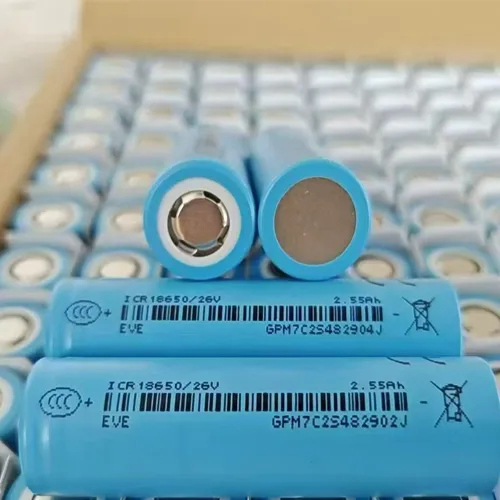
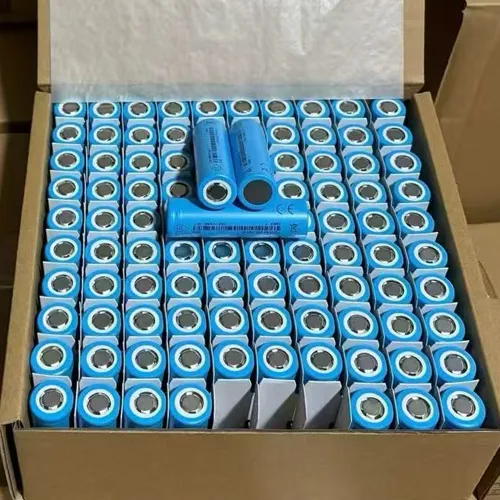
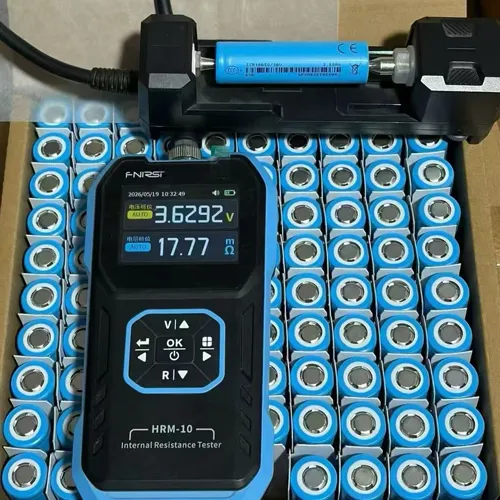
Before assembly, incoming LiFePO4 cells are inspected and matched using key electrical parameters such as voltage, capacity and internal resistance. Cells that meet the required matching criteria are grouped for the selected 51.2V battery module. This helps maintain consistent electrical characteristics within the module and supports subsequent BMS and system testing.
02 Battery Assembly and BMS/Communication Configuration
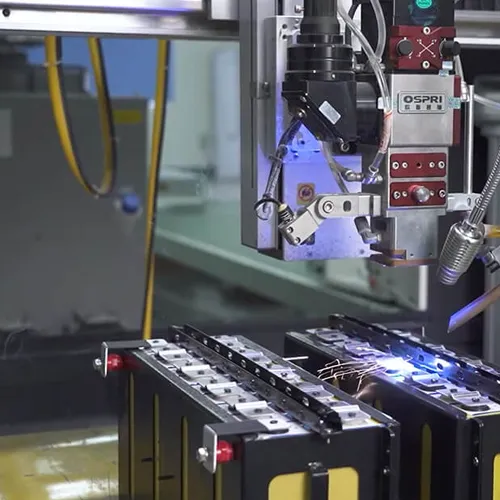
Matched cells are assembled into 51.2V modules using busbars, insulation materials, cables and protective components. The smart BMS is installed and configured to monitor voltage, current, temperature and protection status. Where required by the confirmed inverter setup, CAN or RS485 communication, protocol settings and pinouts are checked against the selected inverter. Exact compatibility should be confirmed before production.
03 Electrical Testing and Final Inspection
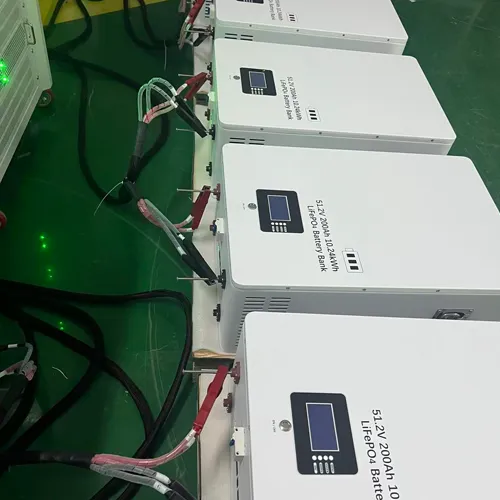
After assembly, the battery is tested for voltage, charging and discharging performance, BMS protection functions and communication response. The enclosure, terminals, wiring, labels and other visible components are checked during final inspection before release. Additional project-specific verification can be included when required by the confirmed order.
Configuration for Different Projects
The LB Series can be configured for project requirements from 5.12kWh to 36kWh, subject to the selected module combination, parallel arrangement and inverter limits. Page-listed configurations include 5.12kWh, 10.24kWh, 15.36kWh and 16.07kWh. Depending on the selected configuration, wall-mounted, rack-mounted or floor-mounted formats may be available. Final capacity, mounting method, communication settings and testing requirements should be reviewed before production.
LiFePO4 Energy Storage Battery LB Series 5–36kWh Overview & Details
The LB Series is a modular 51.2V LiFePO₄ battery platform for residential solar storage, backup power, villas, offices, telecom sites, retail facilities and small commercial projects. It can store excess solar energy for evening use and support selected loads during grid outages when the battery capacity, inverter power and backup requirements are properly matched.
Flexible Capacity and Installation
The LB Series can be configured for project capacities from 5.12kWh to 36kWh through confirmed module combinations and parallel systems. Page-listed configurations include 51.2V 100Ah/5.12kWh, 200Ah/10.24kWh, 300Ah/15.36kWh and 314Ah/16.07kWh. Wall-mounted, rack-mounted and floor-mounted formats are available for different configurations, with the final mounting method depending on the selected model and installation space.
Smart BMS Protection
The integrated smart Battery Management System monitors battery voltage, current, temperature, state of charge and protection status. It provides protection functions against overcharge, over-discharge, over-current, short circuits and other abnormal operating conditions. Final protection settings and operating limits should follow the confirmed battery configuration.
CAN/RS485 Inverter Communication
RS485 and CAN interfaces support data exchange with compatible 48V/51.2V hybrid and off-grid inverters. Compatibility depends on the exact inverter model, BMS protocol, communication cable, RJ45 pinout and charging or discharging settings—not only on the nominal battery voltage. These details should be confirmed before production, especially when multiple batteries are connected in parallel.
Operating Range and Daily Use
The published specification states up to 95% depth of discharge and more than 6,000 cycles at 25°C under specified test conditions. The listed operating range is 0°C to 60°C for charging, −15°C to 65°C for discharging and −20°C to 40°C for storage. Charging below 0°C should not be assumed without project confirmation. The metal enclosure supports the selected installation format, while final placement and ventilation should follow the confirmed system design.
LiFePO4 Energy Storage Battery LB Series 5–36kWh Packaging & Delivery
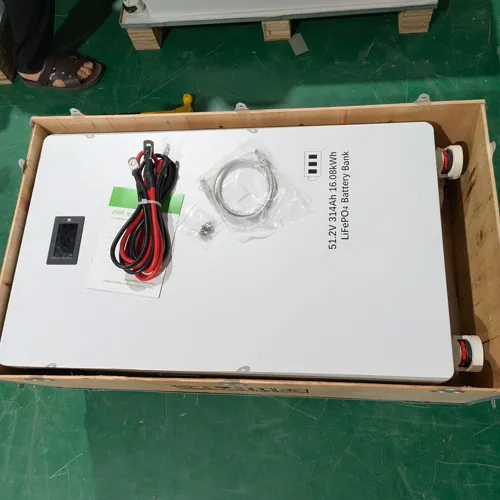
Safe delivery begins with packaging matched to the selected battery configuration. Each LB Series battery is prepared with reinforced export packaging according to its wall-mounted, rack-mounted or floor-mounted structure. The enclosure, display where fitted, terminals, circuit breaker and communication ports are secured to reduce movement and impact during handling and transportation.
Packing for Different Shipment Requirements
Depending on the battery model, order quantity and shipping arrangement, battery modules may be secured on pallets or packed in wooden cases. The final packing method, package dimensions, gross weight and required shipping documents should be confirmed before loading. For LCL or FCL planning, packing details are reviewed according to the selected model, order quantity and destination requirements.
Order Confirmation → Production → Inspection → Shipment
Standard Production Lead Time
Standard LB Series orders normally require approximately 15–25 working days after the battery configuration, inverter protocol, payment and packaging requirements are confirmed. Customized configurations and larger project orders may require approximately 25–35 working days.
Pre-Shipment Checks
Before loading, each order is checked against the confirmed packing list. Battery labels, communication cables, mounting accessories, user manuals and other agreed documents are prepared according to the order. For project shipments, packing photos, inspection videos and loading records can be provided when required.
Estimated Sea Transit Time from China
After vessel departure, estimated sea transit times are:
Southeast Asia: 10–25 days
Middle East: 20–45 days
East Africa: 25–40 days
West Africa: 35–50 days
Actual delivery time depends on the destination port, vessel schedule, dangerous-goods booking, customs clearance, transshipment and local delivery arrangements. The final production and shipping schedule is confirmed separately for each order.


FAQ of LiFePO4 Energy Storage Battery LB Series 5–36kWh
The LB Series supports CAN and RS485 communication and can be integrated with many mainstream 48V/51.2V low-voltage hybrid and off-grid inverters, including Solis, Growatt, Deye, Victron, GoodWe, SMA, LuxPower, MUST, SAKO, INVT, SRNE, Sofar, Megarevo and Voltronic Power.
Compatibility depends on the exact inverter model, not only the brand or battery voltage. Before quotation and production, please provide the inverter brand, exact model number and required communication method. Sungreat Energy can then confirm the BMS program, CAN or RS485 protocol, communication cable, RJ45 pinout, charge voltage and discharge-current settings. Additional inverter brands may also be reviewed according to their communication requirements.
The LiFePO₄ cell brand may vary according to battery capacity, production batch, project specification and supply availability. Current sourcing may include established manufacturers such as REPT, Cornex and EVE, but a specific cell brand or model should not be assumed for every order.
Before assembly, cells within the same battery pack are capacity-graded and matched for voltage, internal resistance and consistency. This helps maintain more consistent electrical characteristics within the finished battery pack. If your project requires a particular cell brand, cell model or capacity grade, please specify it before quotation and production so it can be checked and confirmed.
Start with the loads that must remain powered, rather than looking at total appliance wattage alone. Review the essential-load energy consumption in kWh, average and peak power in kW, required backup time, inverter output, solar charging capacity and the starting power of appliances such as air conditioners, pumps and refrigerators. Battery capacity determines how long the system can operate, while inverter and battery discharge power determine whether high-demand loads can start and run properly.
As a preliminary estimate:
Required nominal battery capacity ≈ Required usable energy ÷ 0.95
This estimate is before inverter conversion and other system losses. At up to 95% depth of discharge, the theoretical usable energy of the 5.12kWh, 10.24kWh and 15.36kWh configurations is approximately 4.86kWh, 9.73kWh and 14.59kWh respectively. For example, a 10.24kWh battery supporting a 1kW average load may provide approximately 8.5–9.5 hours after allowing for inverter and system losses. With a continuous 2kW load, the estimated runtime may be approximately 4–4.5 hours.
The LB Series is designed for project capacities from 5.12kWh to 36kWh through larger modular configurations. Before quotation, please provide the appliance list, rated and starting power, expected operating hours, inverter model, solar-panel capacity and required backup duration. For additional guidance, see How to Choose a LiFePO4 Battery for a Solar Home System.
Yes. The LB Series supports modular parallel expansion, allowing storage capacity to grow as household or commercial energy requirements increase. The technical table lists up to 32 units for selected configurations, but that figure is not a universal limit for every battery model.
Current product information also gives examples such as up to ten 5.12kWh modules or five 10.24kWh modules, providing 51.2kWh in total. The permitted quantity depends on the battery model, capacity, BMS hardware and program, inverter capacity, communication settings, DC busbar and cable ratings and installation conditions.
Before adding batteries to an existing system, provide the original battery model, capacity, production batch or serial number, BMS software version, inverter model and current number of modules. Batteries with different capacities, BMS programs or significantly different states of charge should not be connected in parallel without technical confirmation.
The built-in smart BMS monitors battery voltage, current, temperature, state of charge and operating status. It provides protection against overcharge, over-discharge, overcurrent, short circuit, reverse connection and abnormal temperature conditions. When a protection threshold is reached, the BMS can stop or limit charging and discharging.
The current LB Series documentation does not specify whether the standard BMS uses active or passive cell balancing, and it does not publish a balancing current. Therefore, active balancing should not be assumed simply because the battery uses a smart BMS. If a project requires active balancing or individual cell-voltage data, the selected BMS hardware and software version should be confirmed before ordering.
The published operating range is 0°C to 60°C for charging, −15°C to 65°C for discharging and −20°C to 40°C for storage. Treat these figures as operating limits rather than recommended continuous conditions. The cycle-life specification is measured at 25°C.
Depending on the selected configuration, the battery is available in wall-mounted, rack-mounted or floor-mounted formats. Install it in a clean, dry indoor or shaded technical area with sufficient clearance and airflow. Keep the battery away from direct sunlight, rain, roof heat and other heat sources. In hot climates or during continuous high-current charging and discharging, additional mechanical ventilation or air conditioning may be required.
The standard LB documentation does not list an integrated battery heater, so charging below 0°C should not be assumed without confirmation. Although discharge is specified down to −15°C, available capacity and output may decrease in cold conditions. Before quotation, provide the expected minimum and maximum ambient temperatures, installation location, ventilation conditions, inverter model, continuous load and required backup time.
Documents of LiFePO4 Energy Storage Battery LB Series 5–36kWh
Related Products



Related News
Before study of lifepo4 battery we should know as the global shift toward renewable energy accelerates, reliable electricity cannot always […]
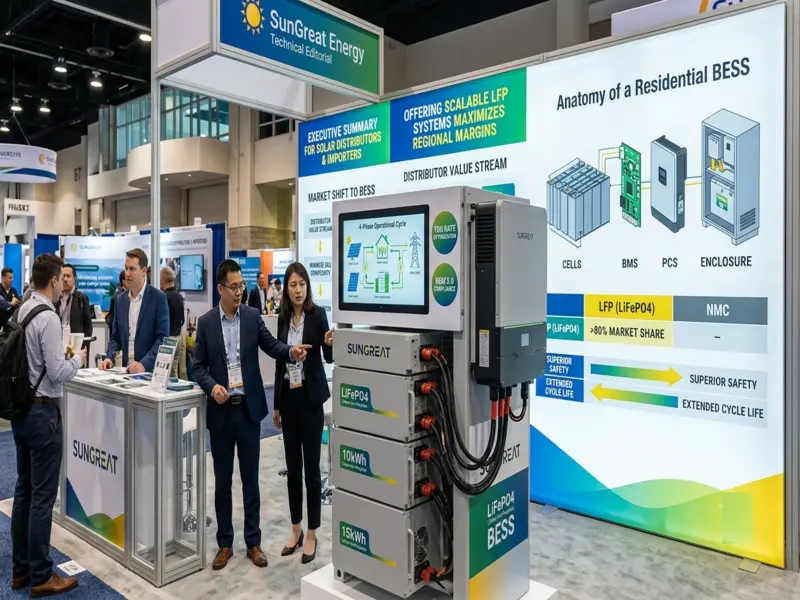
The global residential solar market is going through a major change. Usingsolar panelsalone is not enough to give long […]
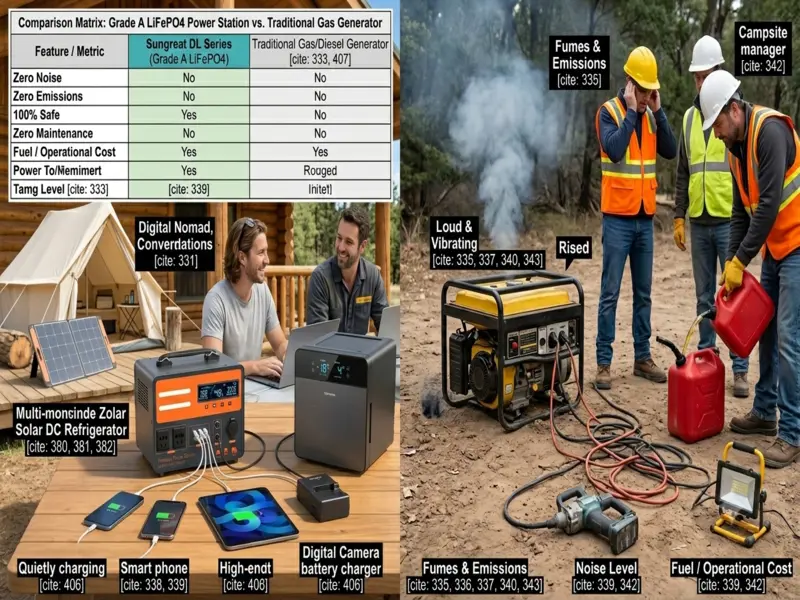
Before portable power stations, the usual solution was simple: grab the gas generators carry it out, pull the cord a few […]