





1. What Is a Solar Panel ?
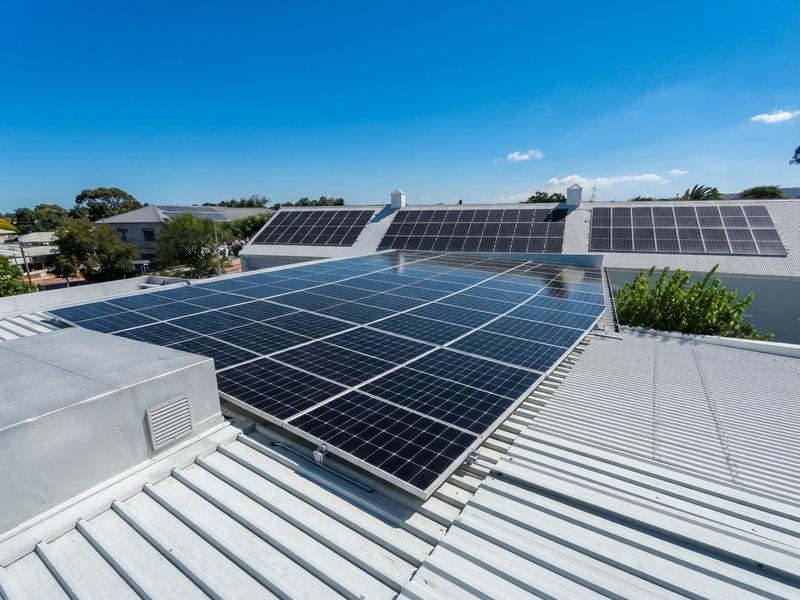
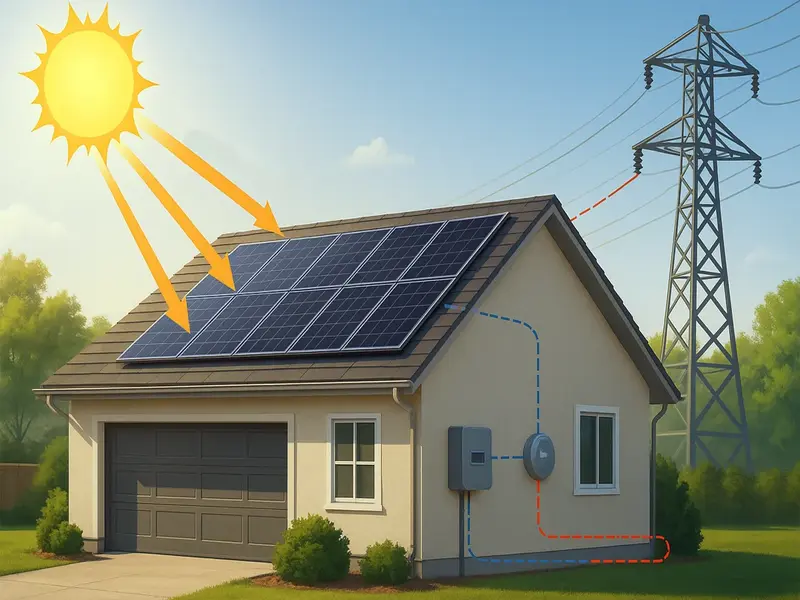
To put it simply, a solar panel is a device designed to absorb sunlight and convert it directly into usable electricity through the photovoltaic (PV) effect.
1.1 Photovoltaic module?
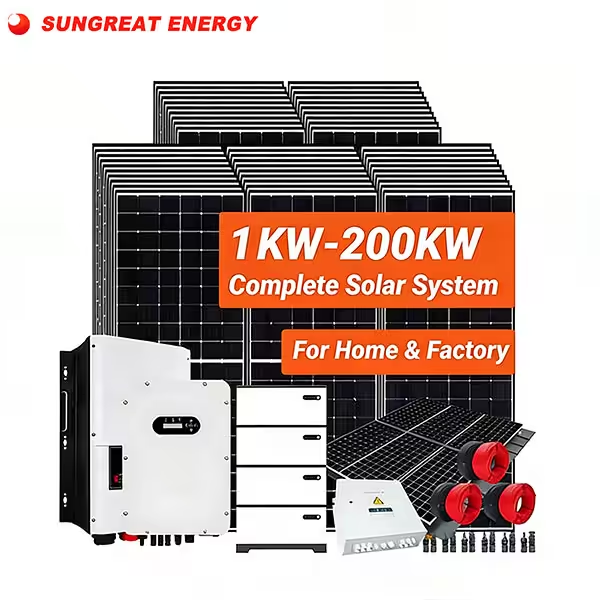
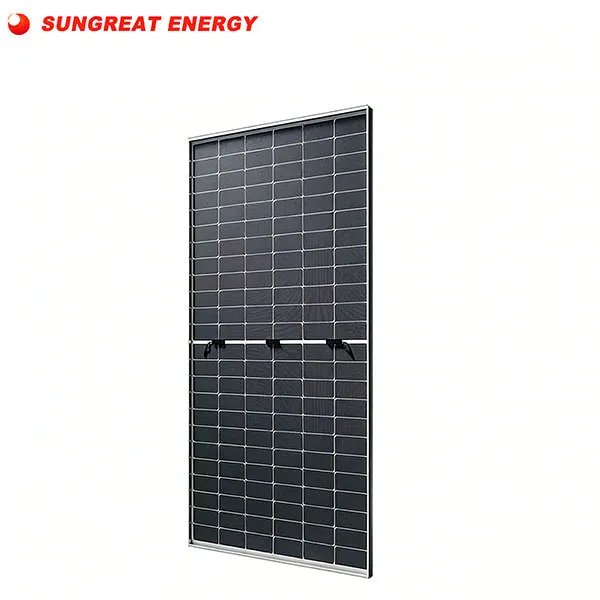
A photovoltaic (PV) module is the technical and industry-standard term for a solar panel. It refers to an environmentally sealed, packaged assembly of interconnected solar cells. Multiple PV modules can be wired together into strings and arrays to form a larger solar generation system capable of powering single appliances or generating megawatts of electricity for the grid.
1.2 How It Works?
- Light Absorption: When sunlight strikes the silicon semiconductor cells inside the PV module, incoming photons displace electrons from their atomic bonds.
- Current Generation: This forced displacement creates a directed flow of electrons, generating direct current (DC) electricity.
- Power Output: The generated DC power is then directed to an inverter, charge controller, or battery energy storage system (BESS) to run AC/DC appliances, feed commercial grids, or store energy for later use.
Insights published by the Institute of Electrical and Electronics Engineers (IEEE) emphasize that modern module layouts achieve cell-to-module power ratios exceeding 100% through optimized optical and electrical engineering [1.1.1].
2. Key Components
A high-quality solar panel is engineered to withstand extreme environmental conditions—such as high ambient heat exceeding 50°C, heavy sandstorms, and coastal humidity—over a rigorous 20-to-25-year operational lifespan.
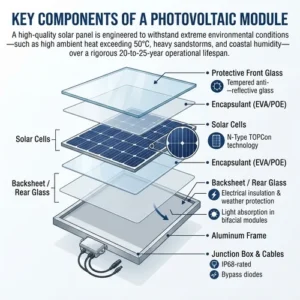
Here are the core components that make up a commercial-grade PV module:
- Solar Cells: The core semiconductor wafers (typically silicon) that convert light into electricity. Modern high-efficiency panels utilize advanced N-Type TOPCon technology.
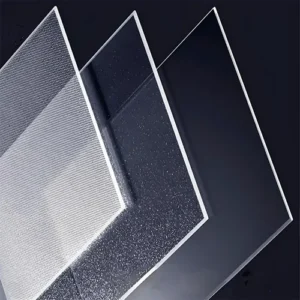
- Protective Front Glass: Highly transparent, tempered anti-reflective glass that protects internal cells while maximizing light transmission.
- Encapsulant (EVA / POE): Protective polymer layers that hermetically seal the cells against moisture, dust, and mechanical vibration.
- Backsheet / Rear Glass: Provides electrical insulation and extreme weather protection on standard panels, or allows second-side light absorption in bifacial modules.
- Aluminum Frame: Anodized aluminum housing that ensures robust structural integrity against heavy wind and snow loads.
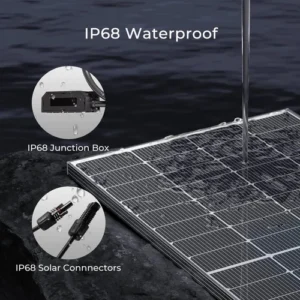
- Junction Box & Cables: Weatherproof (IP68-rated) enclosure containing bypass diodes to safely prevent hot-spot damage and transfer generated DC power.
To review certified structural durability standards, industry frameworks are regularly detailed via resources like ScienceDirect publications.
3. Main Types of Solar Panels
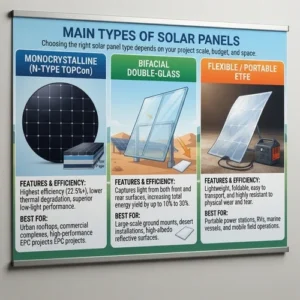
Choosing the right solar panel type depends on your specific project scale, budget constraints, geographic location, and space availability.
| Solar Panel Type | Features & Efficiency | Best For |
|---|---|---|
| Monocrystalline (N-Type TOPCon) | Highest efficiency (22.5%+), lower thermal degradation coefficient, and superior low-light performance. | Urban rooftops, commercial complexes, and high-performance EPC projects. |
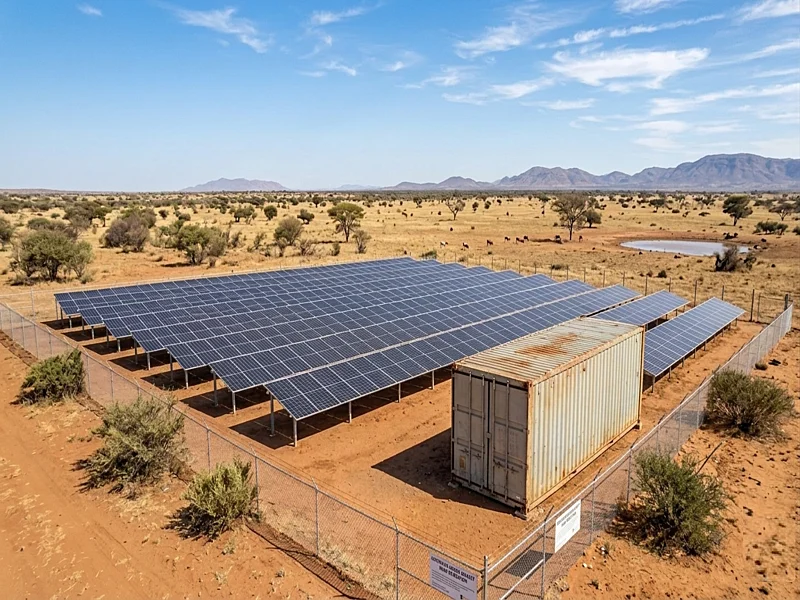
| Bifacial Double-Glass | Captures light from both front and rear surfaces, increasing total energy yield by up to 10% to 30%. | Large-scale ground mounts, desert installations, and high-albedo reflective surfaces. |
| Flexible / Portable ETFE | Lightweight, foldable, easy to transport, and highly resistant to physical wear and tear. | Portable power stations, RVs, marine vessels, and mobile field operations. |
Global market analytics documented by the International Energy Agency (IEA) emphasize that advanced module variants are rapidly capturing market dominance across commercial sectors [1.3.4].
4. Key B2B Applications
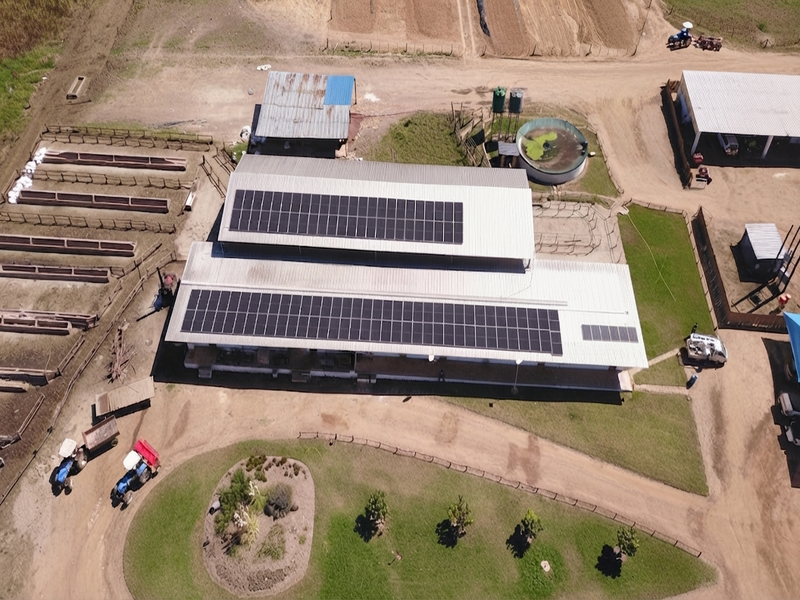
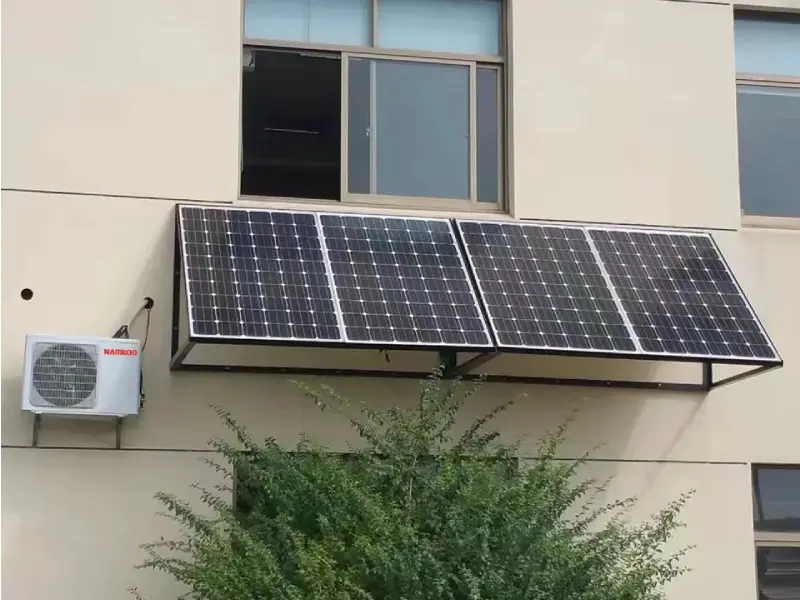
Modern photovoltaic modules are seamlessly integrated into diverse off-grid and grid-tied systems across global markets:
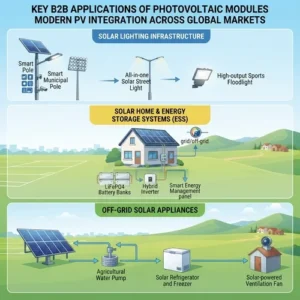
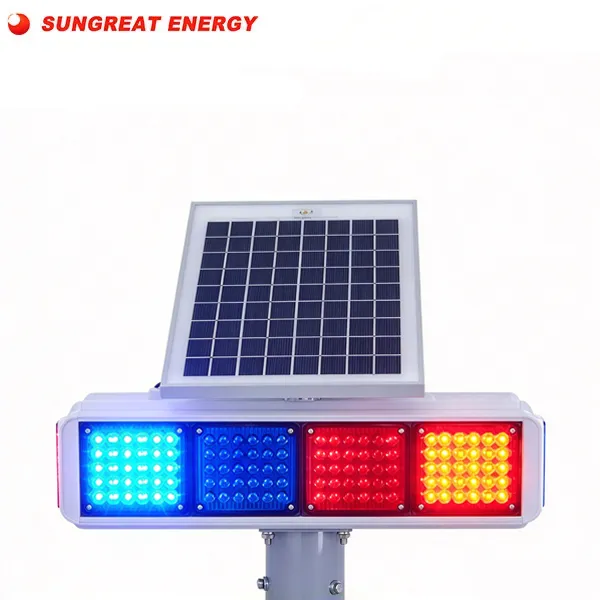
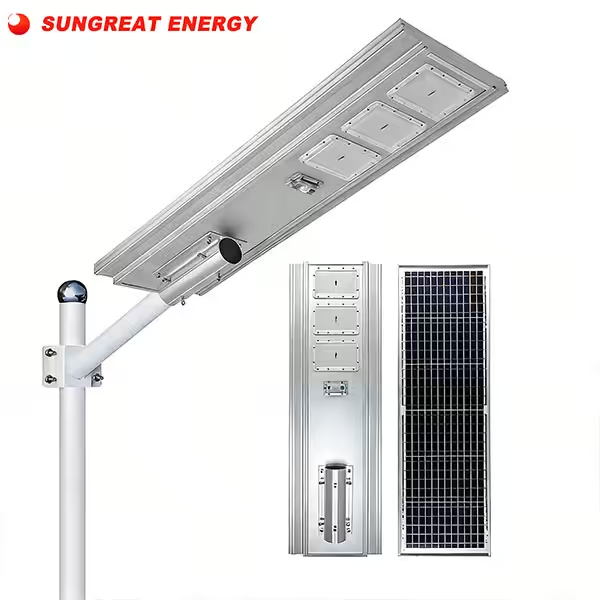
- Solar Lighting Infrastructure: Powering integrated all-in-one solar street lights, smart municipal poles, and high-output sports floodlights.
- Solar Home & Energy Storage Systems (ESS): Paired with LiFePO4 battery banks and hybrid inverters to ensure complete residential and commercial energy independence.
- Off-Grid Solar Appliances: Directly energizing specialized DC-powered solar freezers, refrigerators, fans, and agricultural water pumps in remote regions.
5. Financial Estimates & ROI
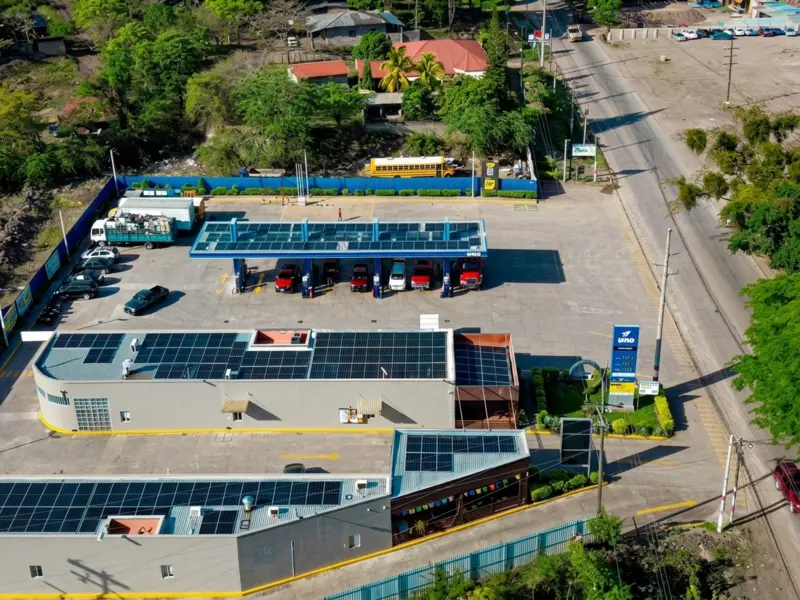
Investing in tier-one solar panels yields significant long-term financial advantages. For a standard commercial or industrial (C&I) installation:
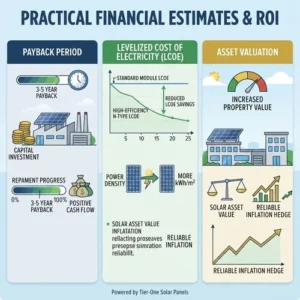
- Payback Period: Most commercial solar systems achieve full capital payback within 3 to 5 years, depending on local grid electricity tariffs and sunlight availability.
- Levelized Cost of Electricity (LCOE): High-efficiency N-Type modules drastically lower the LCOE over a 25-year lifecycle by producing more kilowatt-hours (kWh) per square meter.
- Asset Valuation: Installing commercial solar infrastructure increases property value and provides a reliable hedge against rising utility inflation.
Economic appraisal frameworks outlined in reports from NREL Guidelines validate that systematic deployment models drastically mitigate financial risk for stakeholders [1.2.2].
6. FAQs
6.1 What is the difference between monocrystalline and polycrystalline panels?
Monocrystalline panels are cut from a single, high-purity silicon crystal, offering higher efficiency, sleeker aesthetics, and better performance in low light. Polycrystalline panels are made from multiple melted silicon fragments, making them cheaper to produce but generally less efficient.
6.2 How long do modern photovoltaic modules last?
Quality solar panels are built to last 25 to 30 years. Most tier-one manufacturers provide a linear power performance guarantee ensuring at least 80% output efficiency even after 25 years of operation.
6.3 Do solar panels work during cloudy days or rainy weather?
Yes. While solar panels generate peak electricity under direct sunlight, they still produce diffuse power (typically 10% to 25% of their rated capacity) under heavy clouds or overcast skies.
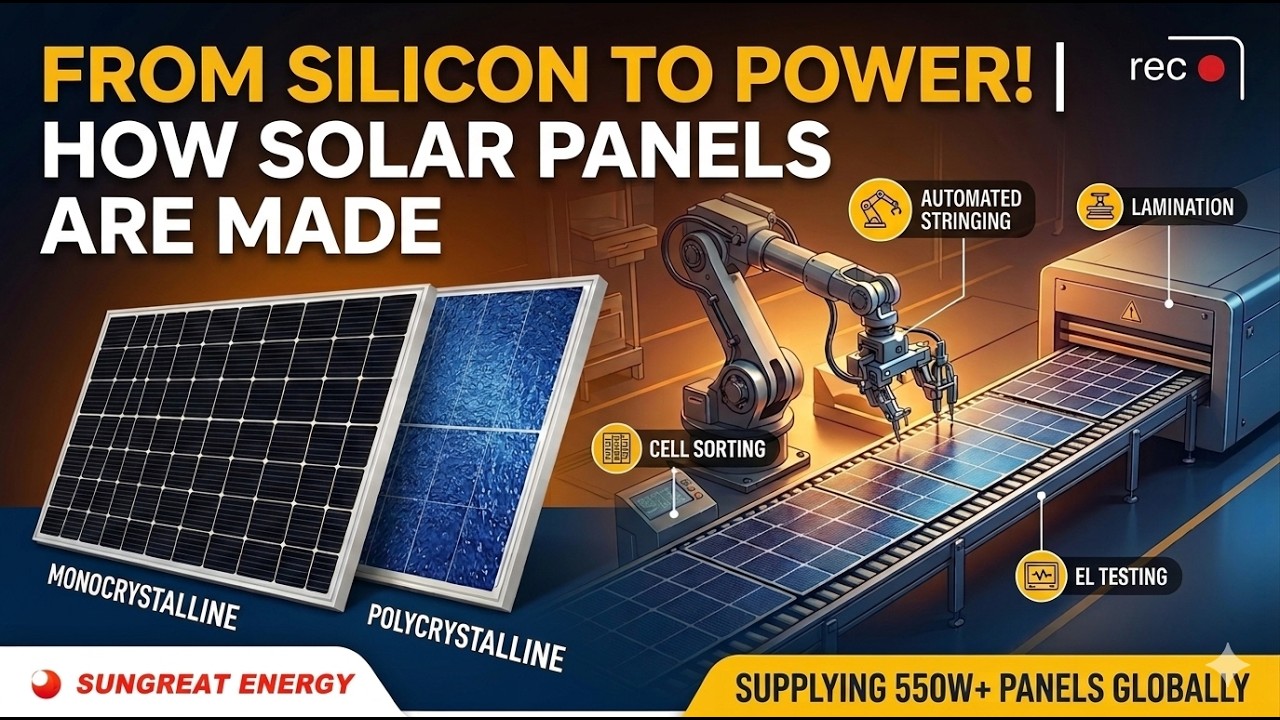
7. Choosing Sungreat Energy?
At Sungreat Energy, we manufacture tier-one quality solar panels and PV components designed to meet strict international standards (ISO9001, CE, RoHS, CB).
- 22.5%+ High Efficiency: Our advanced N-Type TOPCon solar panels deliver market-leading energy yield even under extreme ambient temperatures up to 65°C.
- Proven Durability: Engineered to withstand severe sandstorms, tropical moisture, and harsh outdoor environments with high-durability protective ratings.
- Full OEM/ODM Customization: Flexible minimum order quantities (MOQs), custom branding, and comprehensive system integration support for global EPC contractors and distributors.
8. Conclusion
Understanding what a solar panel is and how a photovoltaic module functions is the first crucial step toward building a reliable, high-efficiency solar energy project. By selecting the right panel technology and partnering with a certified manufacturer, you ensure long-term operational stability and maximum financial returns.
Looking for reliable PV modules or OEM solar solutions for your next project?
Visit Sungreat Energy today to request a free quote and technical consultation!