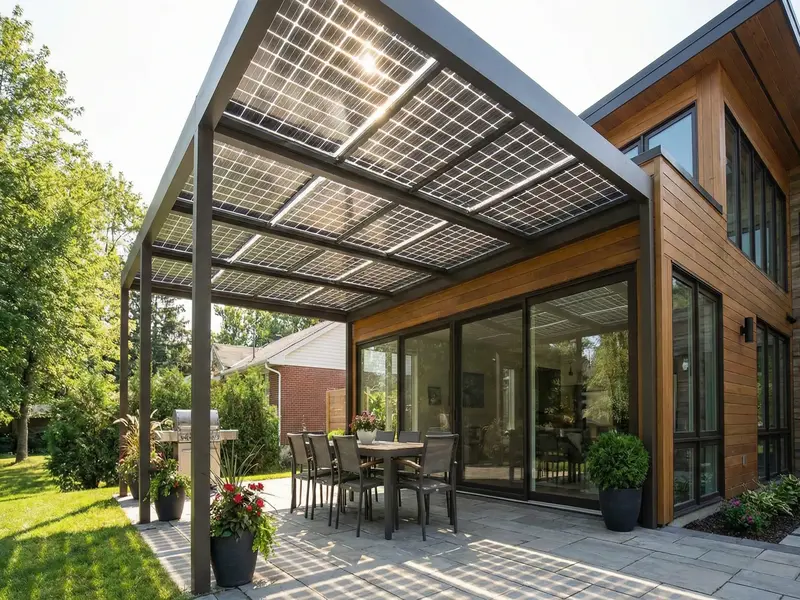





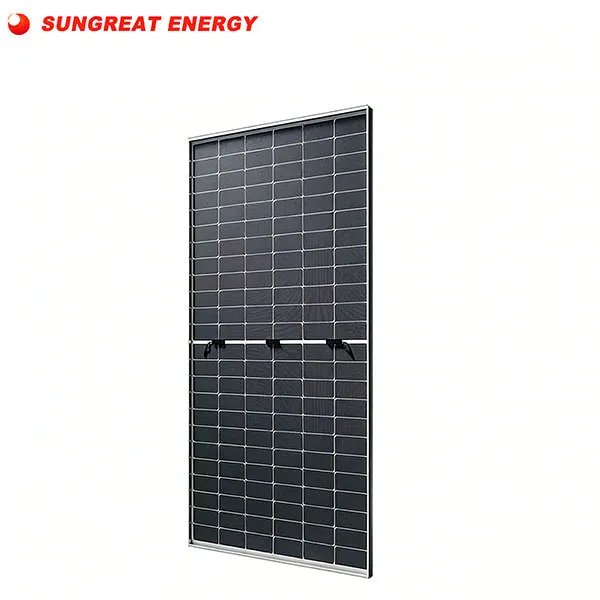
Solar street lighting has been a revolutionary product worldwide since 2008. In the Philippines—from the bustling streets of Manila and Cebu to the rapidly growing communities of Davao and Iloilo—solar products bring immense hope and tangible advantages to local government units (LGUs) and residents alike.
When a neighborhood gets reliable street lighting, life changes overnight. Children can play safely outside after sunset, families can gather, and the major risks of nighttime driving accidents for cars, trucks, and motorcycles drop dramatically.
However, many communities are running into a frustrating problem: They buy solar street lights, but after a few weeks, they aren’t bright, or they stop working entirely in the middle of the night.

1. The 4,000-Peso Trap
Most buyers naturally look for budget-friendly options, often choosing cheap lamps priced between ₱4,000 and ₱6,000 ($50–$100 USD). Unscrupulous suppliers promise that these 80W, 100W, or 150W systems are incredibly bright. But behind those high-wattage claims on paper, factories often cut corners on the five core engineering components:
1.1 The Battery
High-quality systems require robust Lithium Iron Phosphate (LiFePO4) batteries, usually engineered into a 12.8 V system. Cheap solar lamps cut costs by using low-voltage 3.2V or 3.7V B-grade (second-hand) cells without an internal Battery Management System (BMS). This results in poor dimming profiles, quick capacity degradation, and severe safety hazards.

1.2 The Solar PV Panel
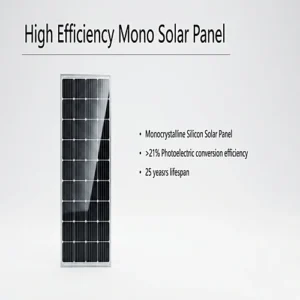
While high-efficiency monocrystalline panels are needed to catch maximum daylight, cheap alternatives use small, underpowered 5V panels (only 20W to 40W) masquerading as heavy-duty hardware. They simply cannot generate enough current to fully recharge the system during rainy or overcast Philippine days.
1.3 The Controller
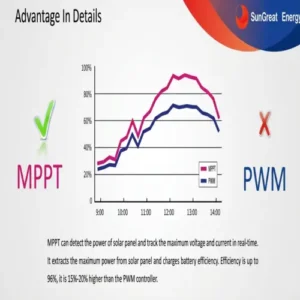
Maximum Power Point Tracking (MPPT) controllers optimize energy harvest by tracking voltage variations, but they cost significantly more. To keep prices low, cheap lights use basic Pulse Width Modulation (PWM) controllers. A PWM controller forces the panel to drop to the battery’s voltage, wasting up to 30% of the solar energy collected.
1.4 LED Chips & Housing
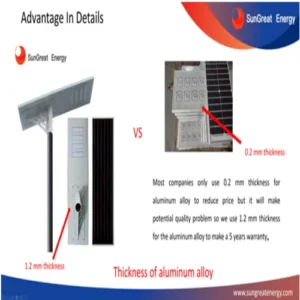
Premium chips (such as USA Bridgelux or Osram) easily deliver over 50,000 hours of high-lumen, high-efficiency light. Combine low-grade LED chips with cheap ABS plastic housing, and the tropical Philippine heat and coastal humidity will rapidly degrade the unit. True industrial-grade systems rely on die-cast aluminum alloy housings, which carry structural warranties of up to 5 years.

The Result: Instead of lasting the promised 12 hours through the night, sub-₱6,000 lights often die after just 4 to 6 hours. When the clock strikes 10:00 PM, critical roads go pitch black, causing the exact vehicular and pedestrian accidents they were bought to prevent.
2. The Engineered Solution
To address these exact pain points, a heavy-duty, patented infrastructure solution has been engineered specifically for the distinct environmental demands of the Philippines.
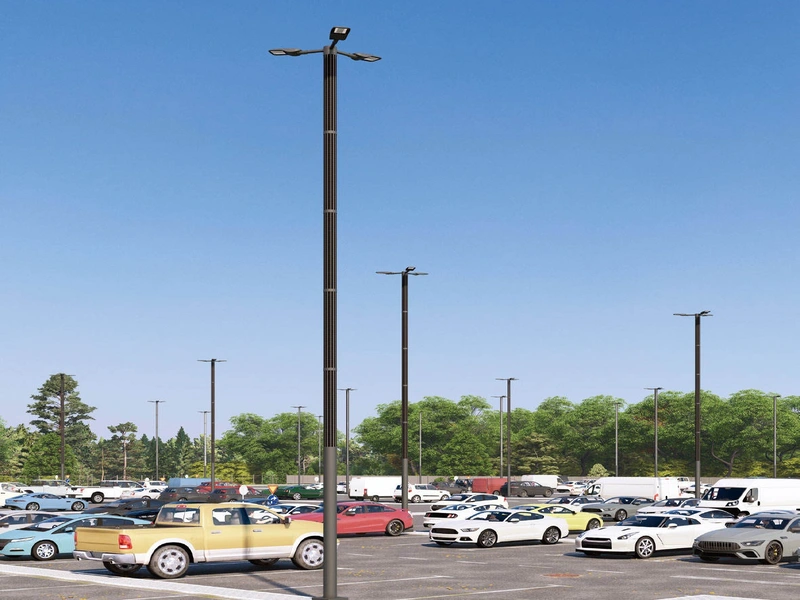
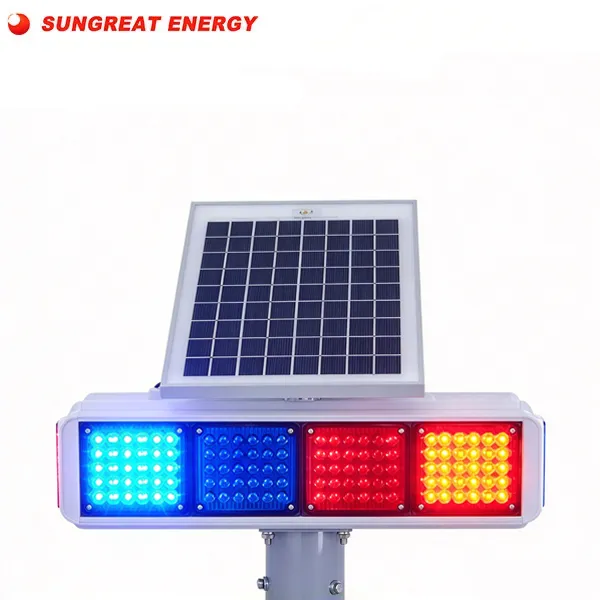
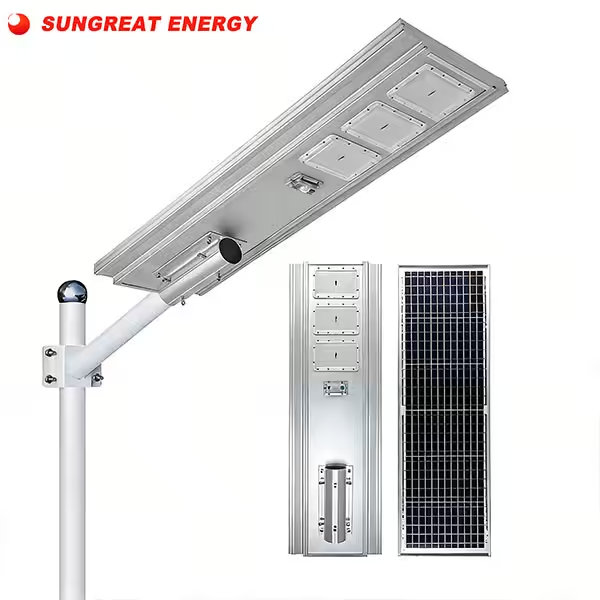
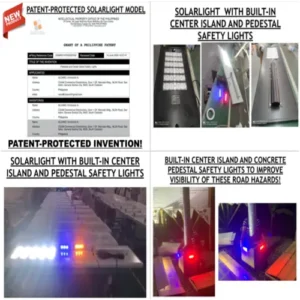
Our high-capacity 250W Patent Solar Street Light completely redefines nighttime road safety by pairing a high-output main luminaire with an active, built-in center-island and pedestal safety warning system.
2.1 Safety Architecture
This design integrates highly visible, alternate red and blue decorated flashing safety lamps directly into the structural frame. Even in heavy monsoon downpours, thick coastal fog, or dense dust, oncoming drivers can clearly see the center islands, pedestrian pathways, and physical pedestals from hundreds of meters away.
3. Life-Cycle & LGU
True sustainability goes beyond lighting up the dark; it requires a responsible plan for when the equipment eventually reaches the end of its operational life.
Our operational commitment to partners and municipal clients includes a full lifecycle circular economy program:
By working alongside infrastructure developers and the Department of Public Works and Highways (DPWH) for over three years, this robust engineering standard has successfully delivered bright, uninterrupted, and accident-reducing illumination to local residents across Davao and surrounding regions.
4. Global Context
Modern public infrastructure utilizes solar and renewable tech across several sectors to build cleaner, more resilient smart cities:
-
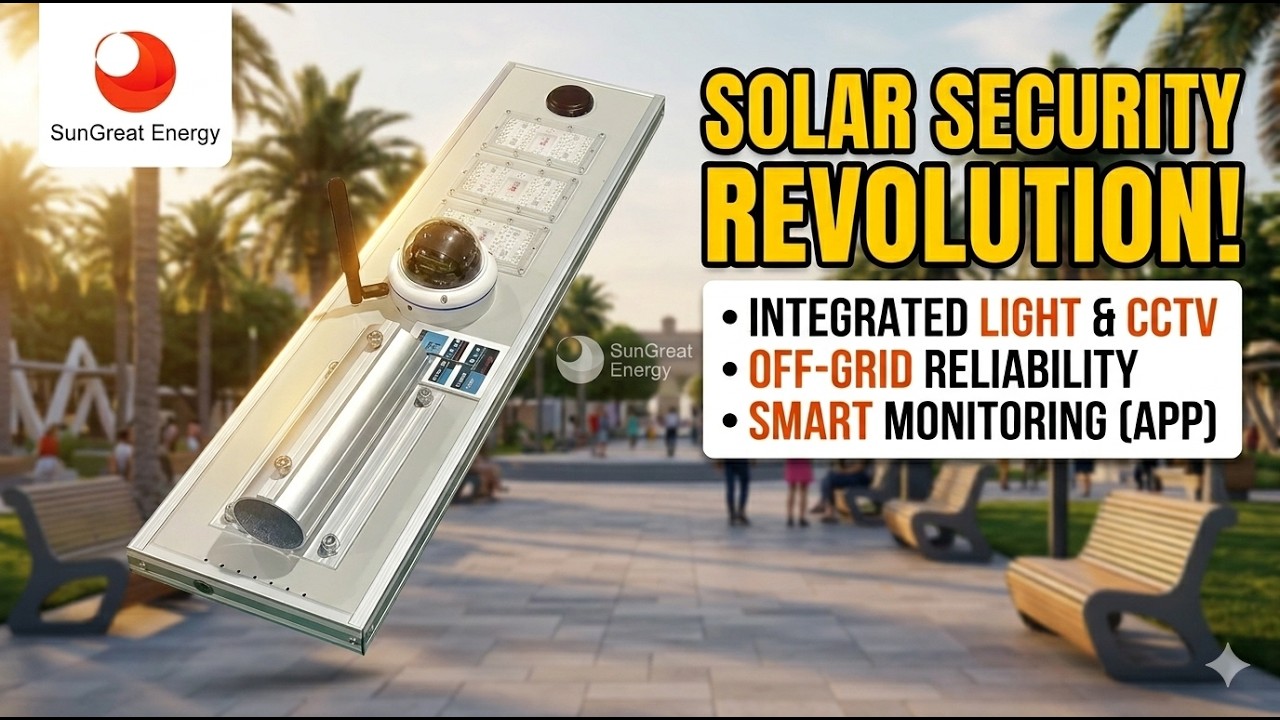
Public Infrastructure: High-output solar streetlights, intelligent traffic signals, and grid-tied surveillance systems.
-
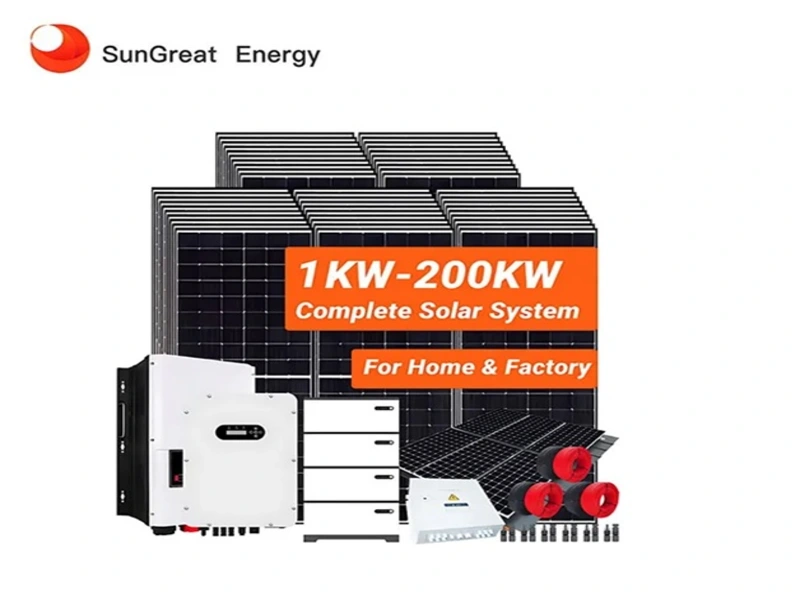
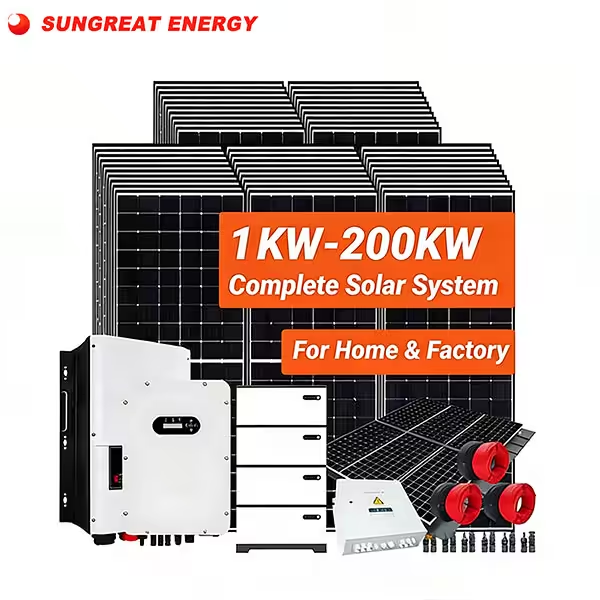
Commercial & Industrial: Solar power plants, industrial BESS (Battery Energy Storage Systems), and solar-powered signage.
-
Agricultural Applications: High-efficiency solar-powered water pumps, crop dryers, and smart automated greenhouses.
-
Emergency & Disaster Relief: Portable solar generators, off-grid communication arrays, and deployable medical equipment.
5. International Frameworks
The transition toward high-quality, standalone solar street lighting aligns with international green infrastructure mandates and rigorous performance testing benchmarks:
5.1 International Policy Data
-
United Nations Environment Programmed (UNEP): The UNEP Global Status Report for Buildings and Construction emphasizes that scaling localized, zero-emission infrastructure and building energy codes are vital levers to mitigate global emissions. Learn more via the UNEP Official Resource Portal.
-
International Energy Agency (IEA): The IEA tracks structural shifts in municipal efficiency, documenting that LED public lighting adoption combined with independent solar paths forms the baseline for resilient municipal programs. Explore the data through the IEA Policy Response Tracker.
-
The World Bank Group: Extensive initiatives like the Access to Sustainable Energy Project (ASEP) in the Philippines confirm that standalone solar applications are the most viable, cost-effective pathways for off-grid and public safety advancements. Read the complete project findings via the World Bank Document Repository.
5.2 Engineering Standards
-
Lighting Global Quality Standards: Administered in coordination with the Global Off-Grid Lighting Association (GOGLA), these frameworks dictate strict requirements for true lumen maintenance, mandatory internal BMS integration, and structural ingress protections (IP65/IP66).
-
Solid-State Lighting Patents: Modern commercial installations utilize proprietary utility patents covering adaptive dimming algorithms, dual-waveband solar tracking, and integrated dual-color warning arrays within a single cast-aluminum chassis.
6. Partner With Us
Don’t let cheap, low-spec alternatives leave your communities in the dark after midnight. Upgrade your municipal, industrial, or EPC commercial projects with certified, long-lasting solar infrastructure engineered for the tropics.
-
Explore our full product catalog: www.sungreatenergy.com
-
Direct Technical Support & B2B Inquiries: [email protected]
-
Instant WhatsApp Consultation: 0086-15776467829
Industry Hashtags
#SolarStreetLighting #RenewableEnergyPhilippines #SmartCityInfrastructure #LiFePO4Technology #DPWHCompliant #SustainableLighting #UrbanSafety #GreenInfrastructure #OffGridSolar #SungreatEnergy