In the world of solar lighting, many buyers fall into a common trap: judging brightness solely by the number of LED chips. Some suppliers promote 256, 512, or even 1000+ LED chips as their main selling point.
However, in professional outdoor lighting projects, chip quantity alone does not determine actual visibility, efficiency, or long-term reliability. A well-engineered lamp with fewer, high-quality components will consistently outperform a product that only emphasizes “the numbers game.”
For importers, contractors, and municipal project buyers, understanding these 5 key factors is essential to avoiding misleading specifications and ensuring project success.
Why More LED Chips Do Not Always Mean Better Lighting
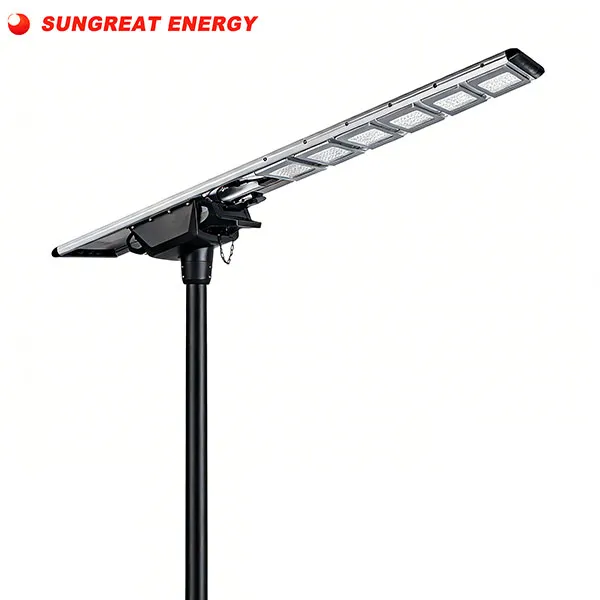
The number of LED chips may affect the distribution of light, but it is not the only factor that influences actual performance. A brighter and more reliable solar LED street light depends on proper system matching, including battery discharge stability, panel charging efficiency, controller performance, optical design, and build quality.
This is why professional buyers should evaluate a solar street light as a complete off-grid lighting system rather than focusing on only one visible specification.
If you want to explore more product options, you can visit QH on the Sungreat Energy website. Sungreat’s current product structure and company pages also show its focus on solar street lighting, solar systems and lithium batteries, solar PV panels, and related solutions.

1. Battery Quality: The “Heart” of Stable Brightness 🔋
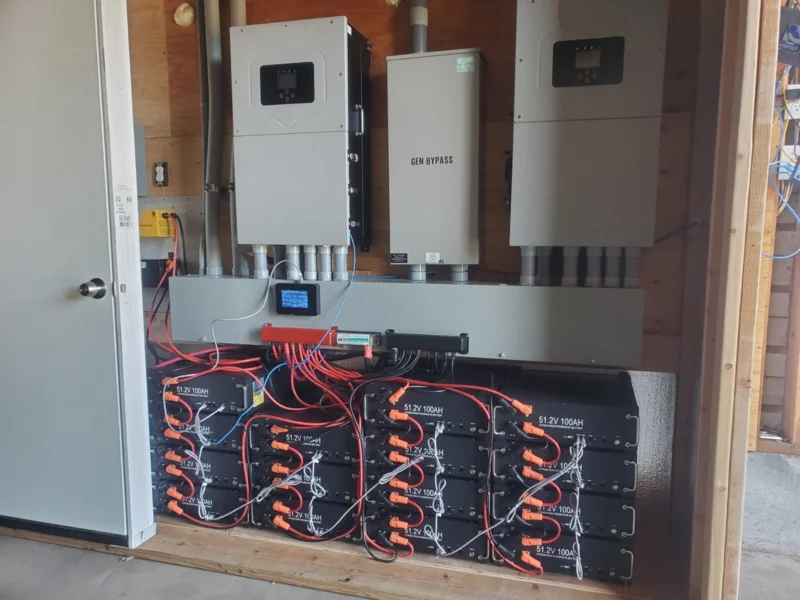
The battery is the foundation of any off-grid system. It determines how long your light stays bright throughout the night and during cloudy weeks.
-
Avoid the Trap: Poor-quality or recycled batteries lose capacity quickly, leading to dimming after only 2-3 hours of operation.
-
The Professional Choice: Grade-A LiFePO4 (Lithium Iron Phosphate) batteries are the gold standard. They offer 2,000+ cycles, superior safety, and stable discharge even in high-temperature environments.
-
Checklist: Is the battery new? Is the capacity properly matched to the lamp’s wattage and local sunlight hours?
2. Solar Panel Efficiency: Power Generation vs. Size ☀️
A massive LED array is useless if the solar panel cannot harvest enough energy to charge the battery.
-
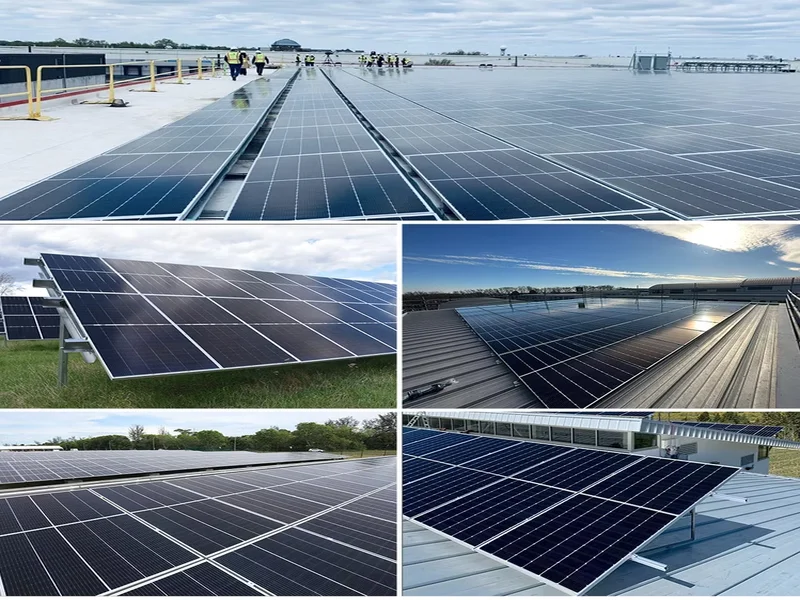
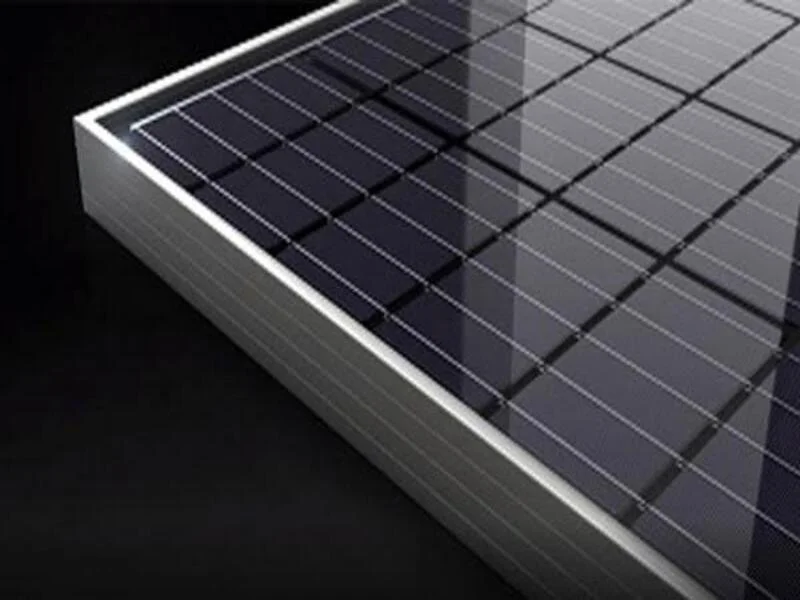
Monocrystalline Superiority: For regions with variable weather, Monocrystalline solar panels are preferred over polycrystalline due to their higher conversion efficiency (often 21%–23%).
-
The Reality Check: As noted by solar research from NREL (National Renewable Energy Laboratory), panel quality and measurement standards are critical. A smaller, high-efficiency panel often outperforms a larger, low-quality one.
-
Focus on: The charging speed and the panel’s ability to generate power during low-light (hazy or dusty) conditions.
For reference, the U.S. Department of Energy notes that LED lighting is highly energy efficient, and NREL’s photovoltaic research focuses on improving PV performance, reliability, and measurement standards. These are useful external references when explaining why panel quality and system efficiency matter in real projects.
3. LED Efficacy: Lumens (lm/W) Over Chip Count 💡
LED chips are important, but Efficiency > Quantity.
-
The Real Hero (lm/W): A professional LED chip can produce 170–210 lumens per watt (lm/W). According to [international LED lighting standards], high efficacy is the only way to achieve high brightness with low power consumption.
-
Optical Precision: Modern street lights use [professional optical lenses (Type II/III)] to distribute light evenly across the road. Without proper lenses, a high chip count just creates a “hot spot” directly under the pole, leaving the rest of the road in darkness.
4. The Controller: The “Brain” of Energy Management ⚙️
The controller regulates everything. Two lamps with the same LEDs can perform differently depending on the “Brain” inside.
-
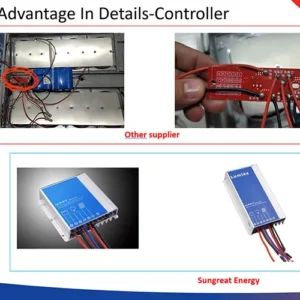
MPPT vs. PWM: In project-grade applications, MPPT (Maximum Power Point Tracking) controllers are the best choice. They can harvest up to 30% more energy from the panels compared to basic PWM controllers, especially during rainy or overcast days.
-
Smart Dimming: A smart controller allows for motion-sensor triggers or time-based dimming, which preserves battery life for critical early-morning hours.
5. Structural Reliability & Thermal Management 🛠️
Whether facing desert heat or coastal humidity, a solar street light must be built to last.
-
Thermal Management: LEDs are heat-sensitive. A high-quality aluminum housing acts as a heat sink, preventing the chips from overheating and degrading.
-
International Protection: Ensure your supplier meets [IEC IP66 waterproof and IK08 impact standards]. This is the baseline for any serious municipal or highway lighting project.
6.📊 Summary Comparison: What Really Matters?
| Factor | What to Look For | Why It Matters |
| Battery | New Grade-A LiFePO4 | Long-term stability & 5-8 year lifespan |
| Solar Panel | High-efficiency Monocrystalline | Faster charging in limited sunlight |
| LED Chips | High Lm/W + Optical Lens | Real road visibility, not just glare |
| Controller | MPPT with Smart Dimming | Higher energy harvest & battery protection |
| Design | IP66 Aluminum Housing | Survival in harsh outdoor environments |
7 Key Factors That Affect Solar Street Light Brightness and Performance
| Factor | What to Check | Why It Matters |
|---|---|---|
| Battery | LiFePO4 quality, capacity, cycle life, backup days | Determines lighting stability and night runtime |
| Solar Panel | Monocrystalline panel, conversion efficiency, wattage | Affects charging speed and daily energy generation |
| LED Chips | Brand, luminous efficacy, heat dissipation | Influences brightness, efficiency, and service life |
| Controller | MPPT or PWM, charging logic, protection functions | Controls charging efficiency and battery safety |
| Structure Design | Waterproofing, corrosion resistance, thermal design | Supports long-term outdoor reliability |
✅ Why Choose a Global Solar Solution Partner?
At Sungreat Energy, we don’t just sell lamps; we engineer [global solar lighting solutions]. We support our international clients with:
-
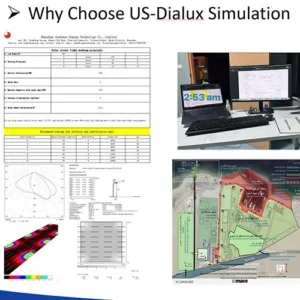
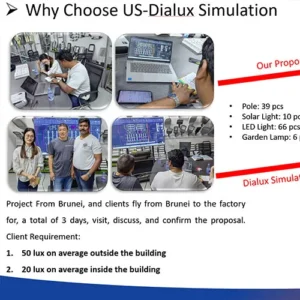
[Free DIALux Lighting Simulations]: To prove exactly how much light will reach the ground before you buy.
-
Complete System Matching: Ensuring panels, batteries, and LEDs are perfectly balanced for your specific local climate.
-
Technical Documentation: Comprehensive support for government and private tenders worldwide.
Don’t settle for “more chips.” Choose real performance and long-term project value.
📞 Contact Us for a Professional Evaluation
Working on a lighting project? Let our engineers provide a Free DIALux Lighting Simulation for you.
-
Email: [email protected]
-
WhatsApp/WeChat: +86-15776467829
-
Website: www.sungreatenergy.com