





1. The Davao Benchmark
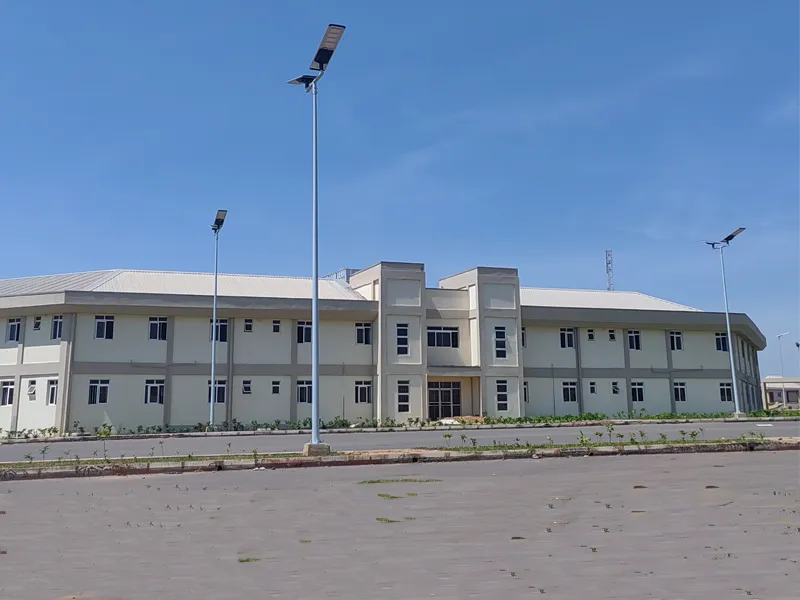
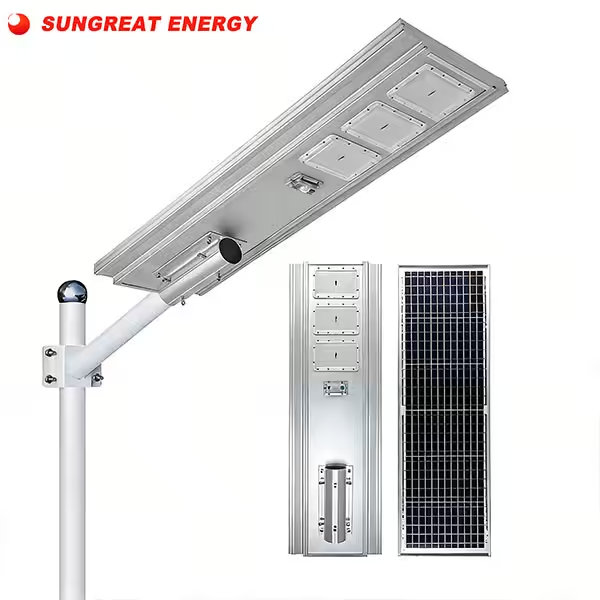
A primary reference for long-term reliability is the 2022 installation of 214 FX-series integrated solar LED street lights along a national highway in Davao.

1.1 Project Context
DPWH-aligned highway and public road lighting.
1.2 Operational Status
After more than three and a half years—including multiple typhoon seasons and constant coastal exposure—the system remains fully operational with no major failures.
For contractors bidding on government projects, this field data provides far more security than laboratory results. It demonstrates that when a system is engineered for the local climate, it remains a viable long-term asset.
2. Rural Solar Projects Failures
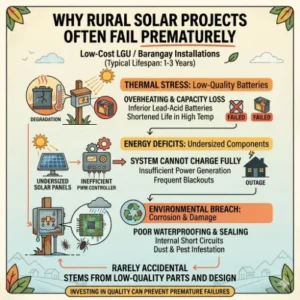
It is common for low-cost LGU or Barangay installations to fail within the first 1–3 years. These failures are rarely “accidental” and usually stem from key vulnerabilities:
2.1 Thermal Stress
Low-quality batteries degrading rapidly in extreme tropical heat.
2.2 Energy Deficits
Undersized solar panels and inefficient PWM charge controllers.
2.3 Environmental Breach
Poor waterproofing leading to moisture ingress and internal corrosion.
These issues lead to severe dimming during rainy seasons and high maintenance costs, eventually forcing local governments to reinvest prematurely.
3. Thermal Management
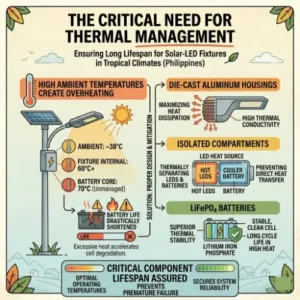
In the Philippines, ambient temperatures of 38°C can push internal fixture temperatures to 60°C. Without proper design, battery cores can reach 70°C, drastically shortening their lifespan. Successful projects mitigate this through specialized engineering:
3.1 Die-cast Aluminum Housings
Engineered enclosures that maximize structural heat dissipation.
3.2 Isolated Thermal Compartments
Physical segregation of sensitive batteries from high-heat LED modules.
3.3 LiFePO₄ Battery Chemistry
Utilizing Lithium Iron Phosphate for its superior thermal stability and extended cycle life.
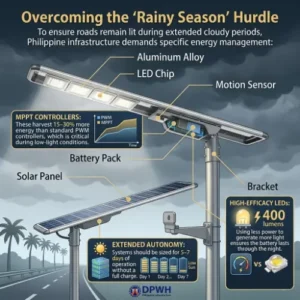
4. Rainy Season Hurdle
To ensure roads remain fully lit during extended overcast and rainy periods, Philippine infrastructure demands robust energy management:
4.1 MPPT Controllers
Harvesting 15–30% more energy than standard PWM controllers, which is critical during low-light conditions.
4.2 Extended Autonomy
Systems engineered for 5–7 continuous days of operation without full solar recharging.
4.3 High-Efficacy LEDs
Deploying high-efficacy LED chips to consume less power while providing superior lumen output through the night.
5. Extreme Environments
The engineering principles we apply to Philippine roads are the same used in high-UV, sand-and-dust environments, including those associated with Saudi Aramco operations. Surviving surface temperatures above 70°C in the desert confirms that these systems can easily handle the humidity and heat of Southeast Asia.
6. Summary
To meet DPWH Department Order No. 19 s. 2023 and ensure long-term field performance, project specifications must prioritize:
| Category | Requirement Specifications |
|---|---|
| Structural | Typhoon-resistant wind load ratings; IP65+ ingress protection. |
| Energy | MPPT charging; Monocrystalline PV panels; LiFePO₄ batteries. |
| Lighting | High efficacy (170+ lm/W); Uniformity (elimination of dark bands). |
| Durability | Anti-corrosion powder coating for coastal salt-spray exposure. |
7. Misleading Metric
A common mistake in government tenders is focusing solely on system wattage. In reality, an 80W high-efficacy system with precision optics often provides better lux levels and higher reliability than a low-cost 120W system. By prioritizing lumens per watt (lm/W) rather than power consumption, LGUs can lower total lifecycle costs and reduce maintenance.
8. Conclusion
The Davao benchmark proves that solar street lighting is a dependable public solution when engineered specifically for the Philippine environment. For contractors and municipality leaders, choosing systems built for thermal endurance and maximum charge efficiency is the single best path to long-term road safety.