





The global energy landscape is undergoing a profound and irreversible transformation. For over a century, modern civilization has relied heavily on fossil fuels—coal, oil, and natural gas—to power industries, heat homes, and fuel transportation. However, this reliance has come at a steep environmental and economic cost, driving climate change and depleting finite planetary resources.
Today, we are turning away from these limited, polluting fuels and looking toward a variety of natural “superheroes” to power our homes and communities. From the sun shining above to the intense heat radiating deep below our feet, the options for clean, sustainable energy are more plentiful and technologically advanced than ever before.
Transitioning to a clean energy economy is no longer just an idealistic environmental goal; it is a technological and economic necessity. Let’s take an in-depth, comprehensive look at the primary sources of renewable energy that are shaping the grid of tomorrow.
1. Solar Energy
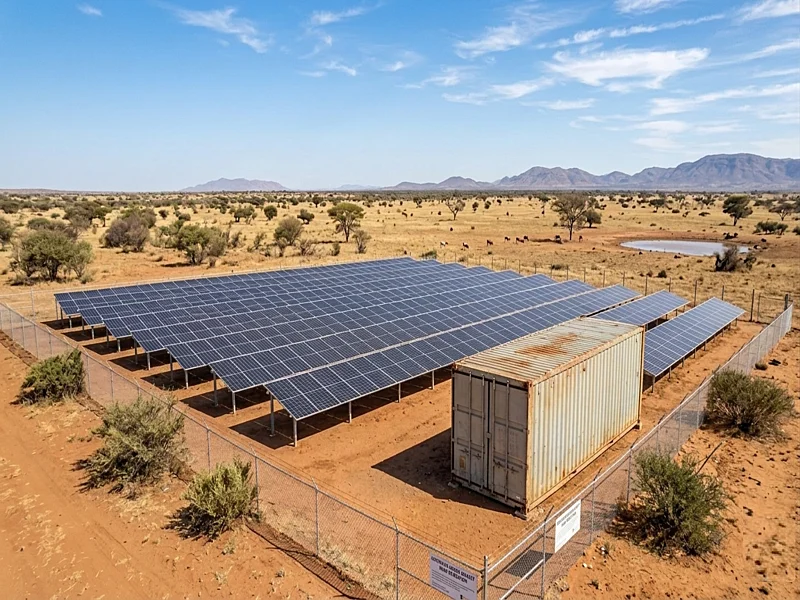
Solar energy is arguably the most abundant and readily available energy source on Earth. The amount of sunlight that strikes the Earth’s surface in just one hour is enough to handle the entire world’s energy consumption for a full year. By utilizing specialized technologies, we can capture this abundant light and convert it directly into usable electricity.
How It Works
Solar energy is primarily harnessed through two methods:
- Photovoltaic (PV) Cells: These are the classic solar panels seen on residential roofs and vast solar farms. They are made of semiconductor materials (usually silicon) that knock electrons loose when exposed to sunlight, generating a direct electrical current (DC), which is then converted via an inverter into alternating current (AC) for our grids.
- Concentrated Solar Power (CSP): Used primarily in massive, industrial-scale facilities, CSP systems use mirrors or lenses to focus a large area of sunlight onto a small receiver. This intense heat drives a steam turbine connected to an electrical generator.
The Good:
Low Maintenance & High Longevity: Solar panels have no moving parts, meaning they experience minimal wear and tear. Most modern panels come with performance warranties lasting 25 to 30 years and require little more than occasional cleaning.
Scalability and Versatility: It is just as viable as a decentralized energy solution on a single residential rooftop as it is in a multi-megawatt desert solar farm.
Plunging Costs: Over the last decade, the cost of manufacturing photovoltaic panels has dropped dramatically, making solar one of the cheapest forms of new electricity generation in history.
The Catch:
Intermittency: Solar energy is inherently tied to the day-night cycle and weather patterns. It doesn’t produce power at night, and its efficiency drops sharply on heavily overcast days.
Storage Demands: To overcome intermittency, the solar industry relies heavily on the development of large-scale battery storage solutions (like lithium-ion or flow batteries) to save daytime energy for night use, adding to the initial infrastructure costs.
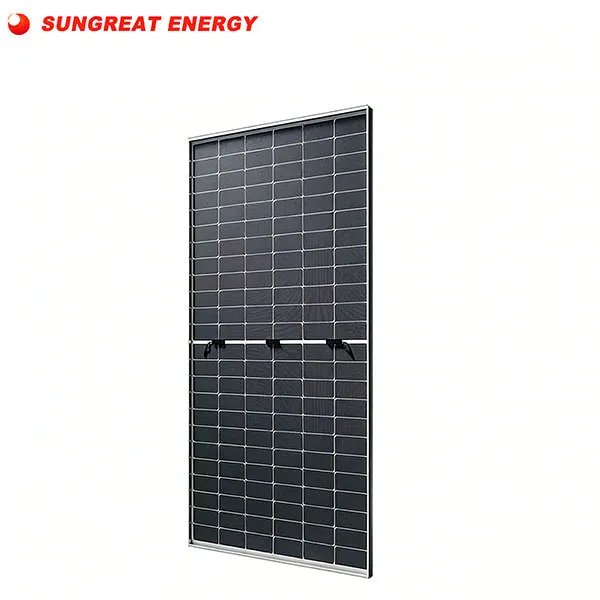
Premium Infrastructure Component Sourcing
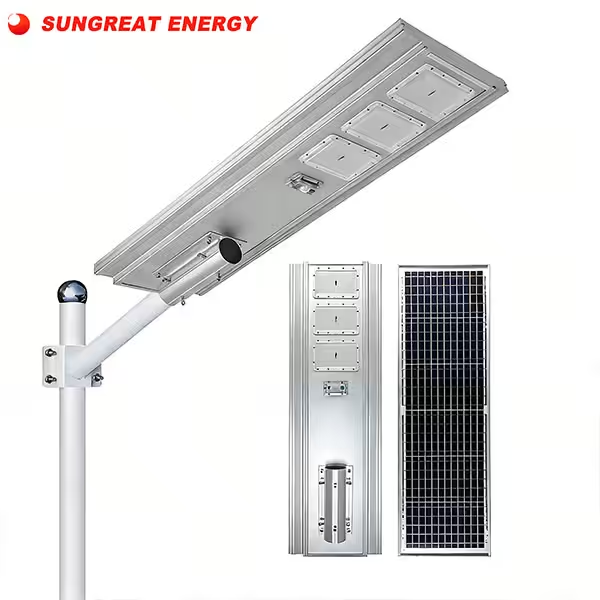
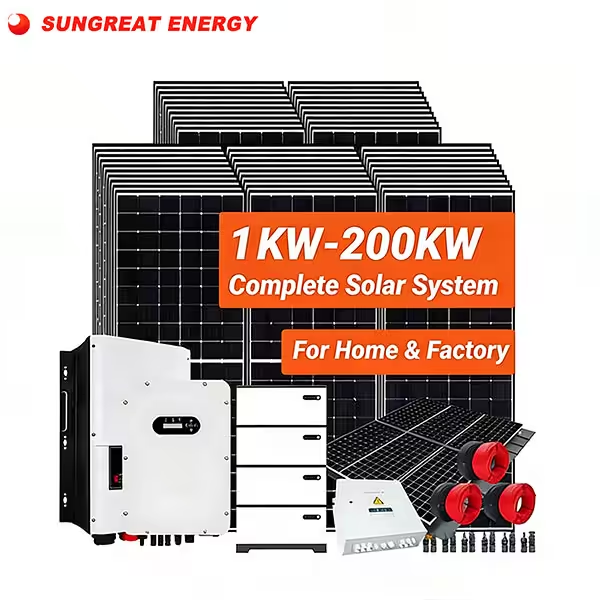
Secure high-purity monocrystalline modules, intelligent MPPT charge regulators, and resilient commercial-grade solar street light solutions directly from our production plants.
2. Wind Energy
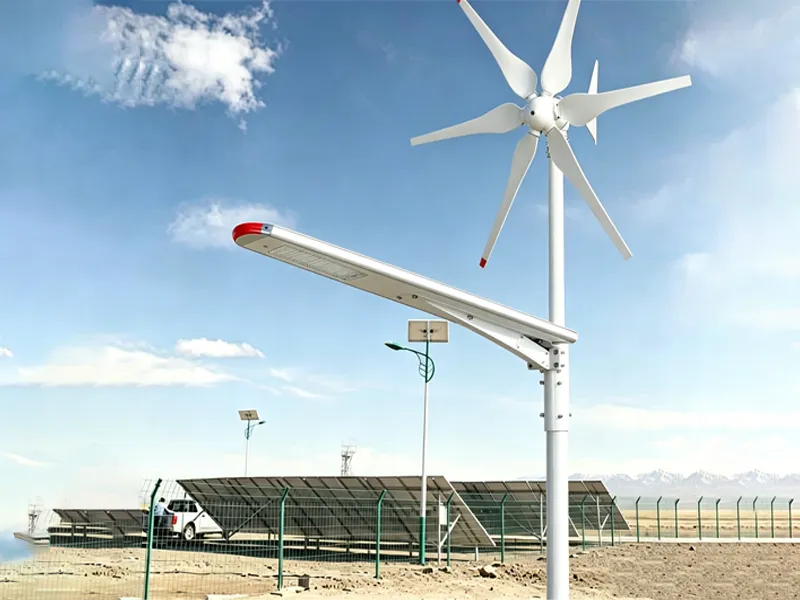
Wind power has evolved from ancient windmills used for grinding grain into one of the fastest-growing, most sophisticated energy sectors in the world. Modern wind turbines are massive aerodynamic marvels designed to capture the kinetic energy of moving air currents and transform it into clean electricity.
How It Works
When the wind blows, it pushes against the giant blades of a turbine, causing them to rotate. These blades turn a central rotor, which spins a shaft inside a nacelle (the housing at the top of the tower). This shaft connects to a generator that converts the mechanical energy of the rotation into electrical energy, which is then sent down the tower and out into the electrical grid.
The Good:
High Efficiency & Zero Emissions: Wind turbines produce no greenhouse gases during operation and have a highly efficient energy return on investment (EROI).
Dual-Use Landscapes: Turbines’ actual physical footprint on the ground is quite small. This allows landowners, such as farmers and ranchers, to install turbines while continuing to grow crops or graze livestock underneath them.
Offshore Potential: Ocean winds are incredibly strong and consistent. The rapid expansion of offshore wind farms allows countries to generate massive amounts of power near coastal cities.
The Catch:
Unpredictable Wind Speeds: Wind doesn’t always blow when electricity demand peaks. If the wind is too calm, they won’t spin, and if it is too stormy, they must be locked down to prevent structural damage.
Aesthetic and Noise Concerns: Some local communities object to the visual impact of tall turbines on natural landscapes. Additionally, the mechanical hum and aerodynamic swoosh of the blades can cause noise concerns for close residents.
3. Hydroelectric Energy
Hydroelectric power is a long-time veteran of the renewable world. For decades, it has served as the backbone of renewable utility grids across the globe, leveraging the immense power of moving water to generate vast amounts of electricity.
How It Works
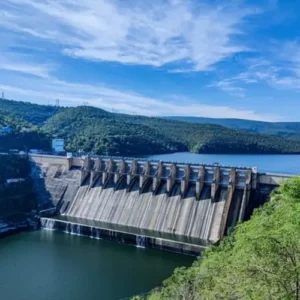
Hydroelectric facilities rely on the gravitational flow of water. In a traditional dam setup, water is held back in a large reservoir. When electricity is needed, gates open to let water flow through a pipe called a penstock. As the water rushes down, its intense pressure spins a heavy turbine, which drives a generator to create electricity.
The Good:
Exceptional Reliability: Unlike wind and solar, hydroelectricity is not dependent on immediate weather fluctuations. Water levels can be managed deliberately, making hydro a highly stable source of baseload power.
Grid Flexibility: Hydro plants can go from entirely idle to full power in a matter of minutes. This rapid response time makes them invaluable for balancing sudden spikes in electrical demand.
Secondary Benefits: Reservoirs often double as vital water reserves for agricultural irrigation, flood control management, and recreational public spaces.
The Catch:
Severe Ecological Footprint: Constructing large dams permanently alters river ecosystems. It blocks migration pathways of fish, alters water temperatures, and floods upstream habitats, displacing local wildlife.
Drought Vulnerability: As global temperatures rise and weather patterns shift, prolonged droughts can severely lower reservoir levels, drastically reducing generation capacity.
4. Biomass Energy
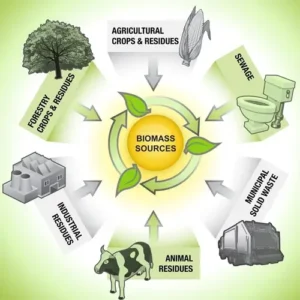
Biomass energy taps into the stored chemical energy found in organic materials. Rather than letting biological waste rot in landfills, biomass systems intercept these materials and convert them into heat, electricity, or liquid transportation fuels.
How It Works
Biomass utilizes wood scraps, agricultural crop residues, dedicated energy crops, and even municipal solid waste. This material can be managed via direct combustion (burning material to drive steam turbines), anaerobic digestion (producing methane biogas via bacterial breakdown), or processing crops into liquid biofuels like ethanol and biodiesel.
The Good:
Waste Mitigation: Biomass excels at waste management by utilizing sawdust, discarded wood pallets, and agricultural waste, diverting millions of tons of refuse away from landfills.
Theoretical Carbon Neutrality: The $CO_2$ released during combustion is roughly equivalent to the amount the plants absorbed via photosynthesis during their lifespan, participating in a closed atmospheric carbon loop.
Diverse Applications: It is one of the few renewable options capable of producing liquid fuels, making it essential for sectors that are difficult to electrify, like aviation and heavy shipping.
The Catch:
Land-Use Conflicts: If crops are grown explicitly for fuel rather than food, it can drive up global food prices and incentivize deforestation to clear land for energy crops.
Air Quality Issues: Burning biomass still releases particulate matter, nitrogen oxides, and other pollutants into the local atmosphere, requiring complex filtration systems to ensure it remains clean.
5. Geothermal Energy
Unlike solar or wind, which look to the sky and surface conditions, geothermal energy looks deep underground. It taps into the virtually limitless thermal energy generated by the Earth’s core—a natural furnace powered by the radioactive decay of minerals and residual heat from the planet’s formation.
How It Works
Geothermal power plants drill deep wells (often several miles down) into underground reservoirs of hot water and steam. The high-pressure steam is piped to the surface to spin a turbine generator. Once the steam cools, it condenses back into water and is injected back into the reservoir to maintain pressure and be reheated by the Earth, creating a continuous loop.
The Good:
Unrivaled Reliability: Geothermal energy provides a constant, steady supply of power 24 hours a day, 365 days a year, making it the ultimate clean baseload power source.
Minimal Surface Footprint: Geothermal facilities require very little surface land compared to vast wind or solar farms, making them exceptionally space-efficient.
High Efficiency Heating: On a smaller scale, geothermal heat pumps can be installed in residential homes anywhere, using the stable, moderate temperature of the shallow ground to heat and cool homes efficiently.
The Catch:
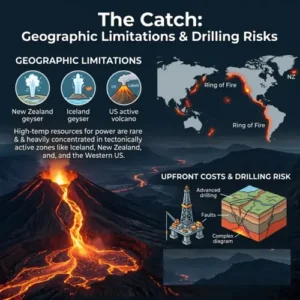
Geographic Limitations: High-temperature geothermal resources suitable for electricity generation are heavily concentrated in specific regions with active tectonic or volcanic characteristics, such as Iceland or New Zealand.
High Upfront Costs and Risks: Exploration and deep drilling are incredibly expensive processes with no absolute guarantee of finding a commercially viable heat reservoir.
6. Technical Matrix
| Resource Class | Availability Profile | Primary Operational Strategy |
|---|---|---|
| Solar Photovoltaics | Intermittent (Daylight) | Requires advanced storage balancing or smart microgrid battery storage pairing. |
| Aerodynamic Wind | Variable (Breeze Curves) | Demands rigorous location mapping to match consistent wind velocity trends. |
| Gravitational Hydro | Consistent (Throttled) | Utilizes reservoir management to act as a highly flexible grid stabilizer. |
| Deep Geothermal | Continuous (Baseload) | Provides weather-independent power but is constrained by tectonic geography. |
7. The Bottom Line
There is no single, magic-bullet energy source capable of powering our entire civilization sustainably on its own. The future of energy does not lie in a monopoly, but in a diverse ecosystem of technologies. By combining the soaring generation capacities of wind and solar architectures with the predictable, unwavering baseload support of geothermal and hydroelectric power—all linked together by advanced battery storage and smart grids—we can build a resilient, clean, and democratic energy architecture. The transition is already underway, ensuring that we can power our planet cleanly and safely for generations to come.
8. Partner With Sungreat Energy
Planning utility diversification arrays, off-grid hardware procurement, or commercial industrial solar integrations? Speak with our operations team to secure certified hardware components:
www.sungreatenergy.com
+86-15776467829
[email protected]
9. International Publications
To read further on peer-reviewed engineering metrics, microgrid asset balancing, and macro energy policy models, explore these international reference directories:
- IEEE Xplore Journal: Dynamic Grid Stabilization Protocols and Hybrid Energy Storage Architecture Modeling.
- ScienceDirect / Energy Reports: Comparative Lifecycle and Ecological Impact Assessment of Distributed Reservoir Hydroelectric Facilities.
- U.S. Department of Energy (NREL): National Renewable Energy Laboratories: High-Yield Wind Turbine Aerodynamics and Siting Benchmarks.
- MDPI Energies Publication: Analysis of Deep Subsurface Geothermal Core Fluid Dynamics Under Continual Thermal Load Strain.
- International Energy Agency (IEA): World Energy Investment Frameworks and Macro Global Grid Integration Best Practices.
- Listaaj ( https://listaaj.com ) , AAMAX , , ZK Local ,
#RenewableEnergy #CleanEnergy #Sustainability #SolarPower #WindEnergy #GoGreen #ClimateAction #GreenTech #FutureEnergy #EcoFriendly