





Before portable power stations, the usual solution was simple: grab the gas generators carry it out, pull the cord a few times, hear it roar to life, and put up with the smell of exhaust just to keep your laptops, tools, or fridge running.
But if you’ve been keeping up with recent trends in buying equipment, things are changing quickly.
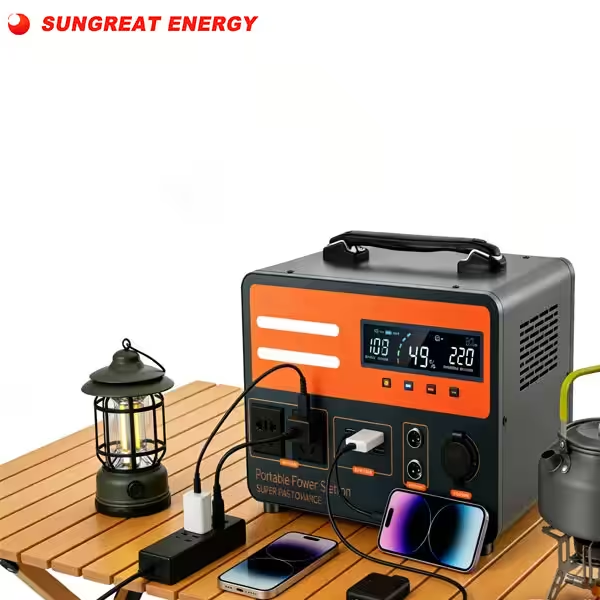
The old, heavy, loud gas–powered generators are losing their popularity fast. Now, a much better, more stylish, and way more efficient option is taking over: the Grade A LiFePO4 (Lithium Iron Phosphate) Portable Power Station, especially models like the Sungreat DL Series .
1. Safety & Lifespan
When you’re buying equipment for a business, a team working in the field, or even for your home, safety isn’t just a short note on a list it’s the most important thing.
1.1 The Hidden Risks of Gas
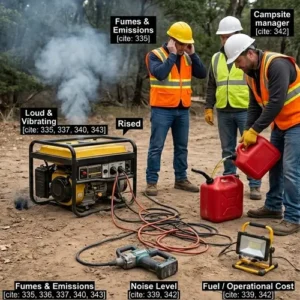
Gasoline and diesel generators are dangerous by nature. You’re dealing with fuel that’s very flammable, open flames, and the risk of carbon monoxide poisoning. Because of this, you can never use a gas generator inside a house, in a car, or in a shed that isn’t well–ventilated.
1.2 Enter A Grade LiFePO4
The Sungreat DL Series uses Lithium Iron Phosphate (LiFePO4) technology. Unlike the lithium–ion batteries in phones or older devices, LiFePO4 is very stable. It can handle very high internal temperatures, up to 600 degrees Celsius, without any issues, meaning it can’t catch fire or explode due to overheating.
But here‘s the real point: Grade A Cells. In the battery world, Grade A cells are the best. They are certified by the factory, have no defects, and are very consistent in how they work. They also keep their power for a long time. Lower–quality, Tier-3 or “B-Grade” batteries often stop working well after just a couple of years. The Grade A cells in the Sungreat DL Series can go through 4,000 to 6,000 charge cycles before they lose 20% of their power.
2. Procurement often only looks
Gas generators may seem more affordable at first compared to portable power stations, but the total cost over time can grow quickly.
2.1 Cost of Gas Generators
They need fuel, oil changes, spark plug replacements, and air filter changes regularly. If left unused for six months, the carburetor can become clogged, leading to failure when it’s needed most.
2.2 The DL Series Benefit
The Sungreat DL Series needs no fuel or maintenance, and has no moving parts or fluids.
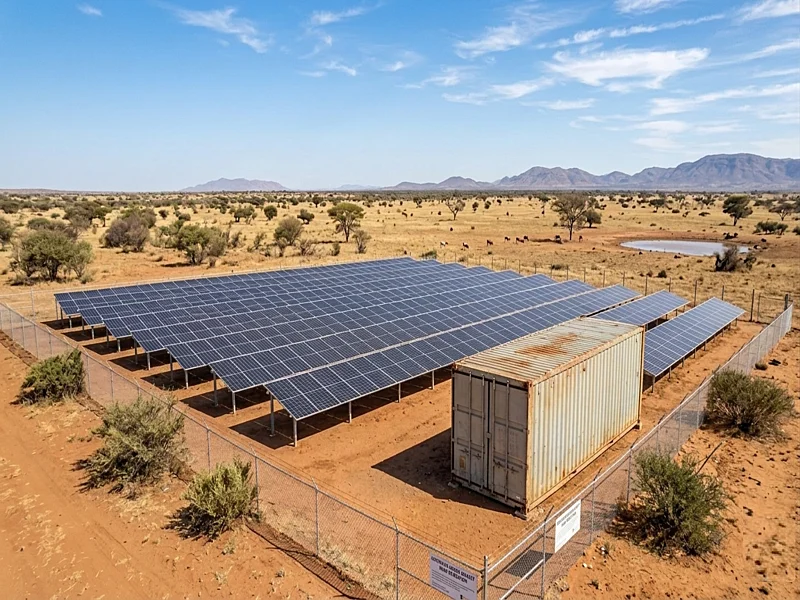
It can be charged using wall outlets or Sungreat FP Series solar blankets, acting like a self–sustaining power sources Its total cost over 5 to 10 years is much lower than that of gas generators.
2.3 LiFePO4 vs.Generator
| Feature / Metric | Sungreat DL Series (Grade A LiFePO4) | Traditional Gas/Diesel Generator |
|---|---|---|
| Energy Source / Fuel | Electricity (from the grid or solar panels) | Gasoline or diesel (from fossil fuels) |
| Fuel / Operational Cost | $0 (if using solar to recharge) | Always costs money (fuel prices can go up a lot) |
| Lifespan (Cycles) | 4,000 to 6,000 cycles (lasts over 10 years) | About 500 to 1,500 hours (due to mechanical wear) |
| Maintenance Required | No maintenance needed (no moving parts) | Often needed (like oil changes, spark plugs, and filters) |
| Noise Level | Very quiet (0 dB to whisper quiet) | Quite loud (70 to 85 dB, like a loud machine) |
| Emissions & Fumes | No emissions (100% eco-friendly) | Toxic fumes (like carbon monoxide, which is dangerous) |
| Indoor / Enclosed Use | 100% safe to use (even in bedrooms, tents, or small rooms) | Not allowed (can be deadly due to suffocation risk) |
| Power Quality | Gives clean power (perfect for laptops and drones) | Usually has dirty power (can damage electronics with voltage spikes) |
| Startup Method | Just press a button (easy to use) | Requires pulling a cord or using a choke |
| Long-Term TCO (5 Years) | Very low cost (just a one-time buying cost) | High cost (includes buying, fuel, and repair bills over time) |
3. User Experience
Gas generators are loud (75dB+), vibrate, and give off harmful fumes. The DL Series changes the way you experience power:
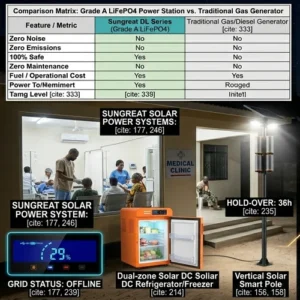
- Whisper-Quiet & Fume-Free: It runs silently without any emissions, so it’s safe to use inside homes, tents, or basements..
- Plug-and-Play Simplicity: Just press one button to start it up. No need for a pull cord, choke, or priming.
- Pure Sine Wave Accuracy: It gives clean, steady power that’s safe for sensitive gadgets like laptops, medical equipment, and drones.
4. Versatility Across Key Scenarios
The DL Series is small, strong, and emission–free, making it perfect for places where gas generators can’t go:
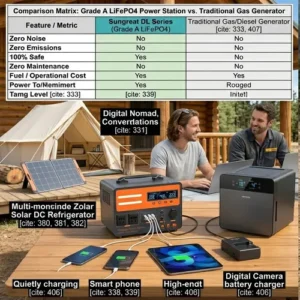
Home Backup & Remote Work
It quietly powers your basic needs during power outages..
Glamping & Outdoor Events
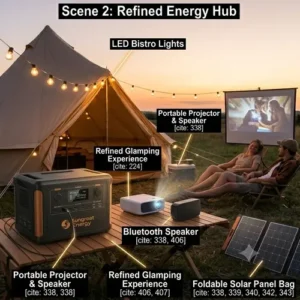
It runs your devices silently in the background at campsites or events
Emergency Engineering & Fieldwork
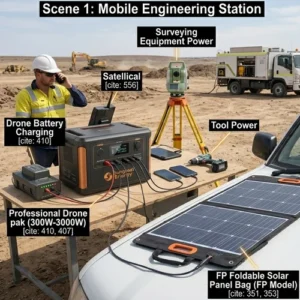
It provides strong power in tight or underground spaces without any danger.
5. Why Choose Sungreat?
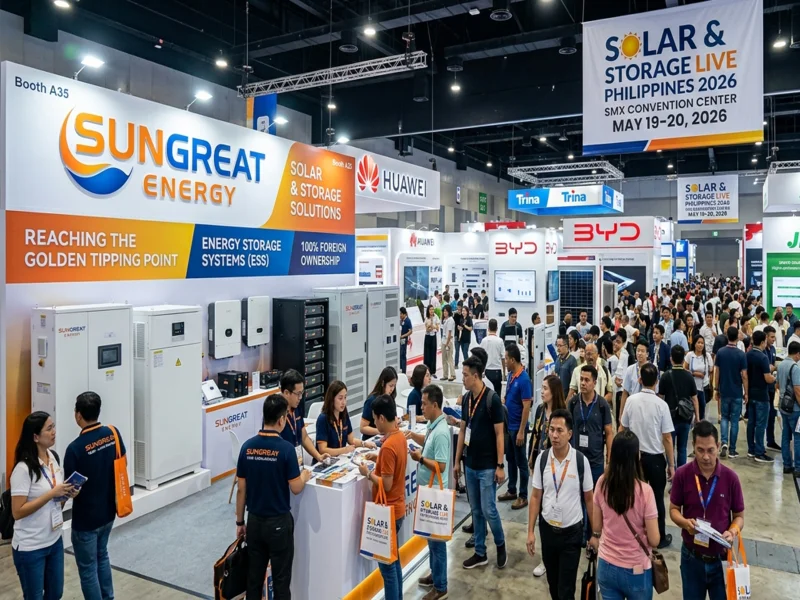
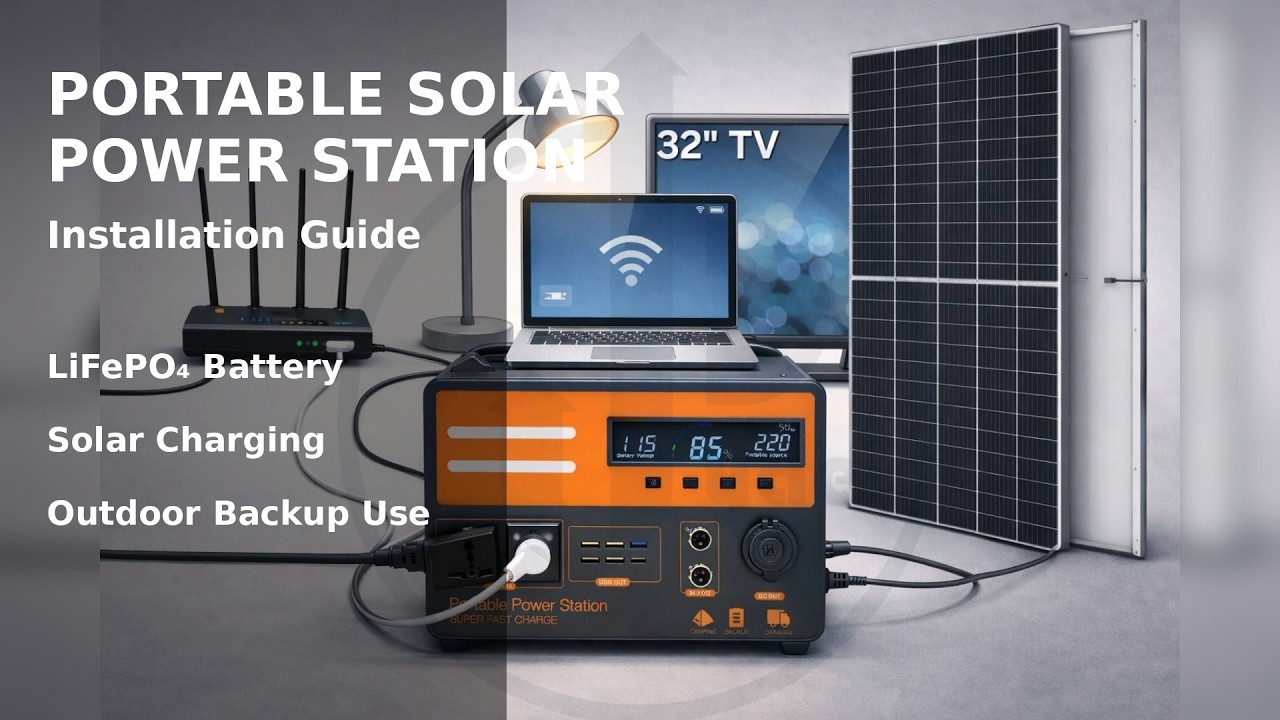
EPC contractors and wholesalers trust the Sungreat DL Series because of its strong engineering in a compact design. With different power options, solar integration, and worldwide safety approvals, our energy systems help protect your projects and your company‘s reputation.
6. Improve Your Power Setup?
Are you interested in adding high–performance, Grade A LiFePO4 portable power stations to your products or a new project? Let‘s discuss the details. Reach out to the Sungreat Energy Sales Team today to get technical documents, bulk pricing, or options for OEM/ODM customization!
www.sungreatenergy.com
+86-15776467829
[email protected]
7. INTERNATIONAL RESOURCES
For more information on engineering data, lithium battery life, and microgrid systems, check out these trusted sources:
- IEEE Xplore Digital Library: Intelligent Battery Management Systems (BMS) and Active Cell Balancing Algorithms for LiFePO4 Matrix Architectures.
- ScienceDirect / Journal of Energy Storage: Thermal Stability and Volumetric Degradation Evaluations of Grade A Lithium Iron Phosphate Cells.
- U.S. Department of Energy (NREL): Decentralized Mobile Microgrids: Safety Standards and Solar PV Optimization Guidelines.
- MDPI Energies Publication: Comparative Lifecycle Total Cost of Ownership (TCO) Between Pure Sine Wave Storage and Combustion Generators.
- International Energy Agency (IEA): Global Infrastructure Outlook: The Shift Towards Clean Mobile Power Fleets.