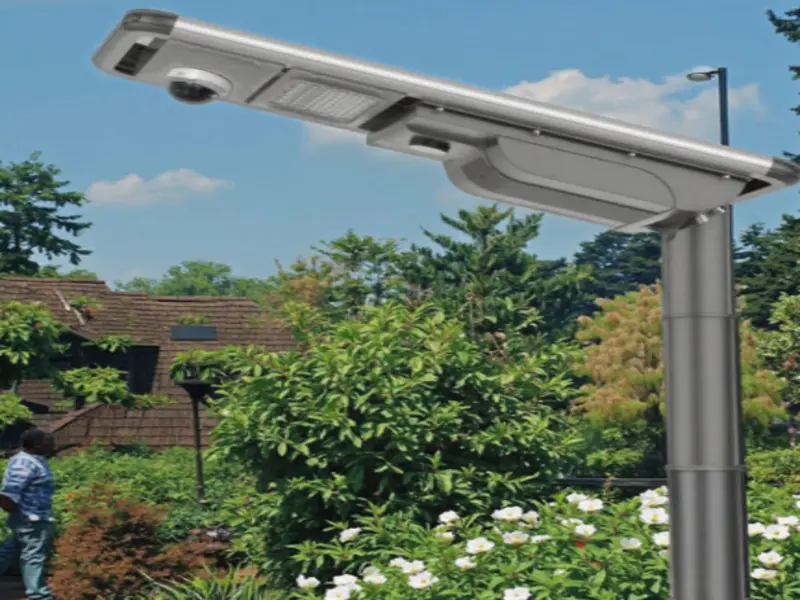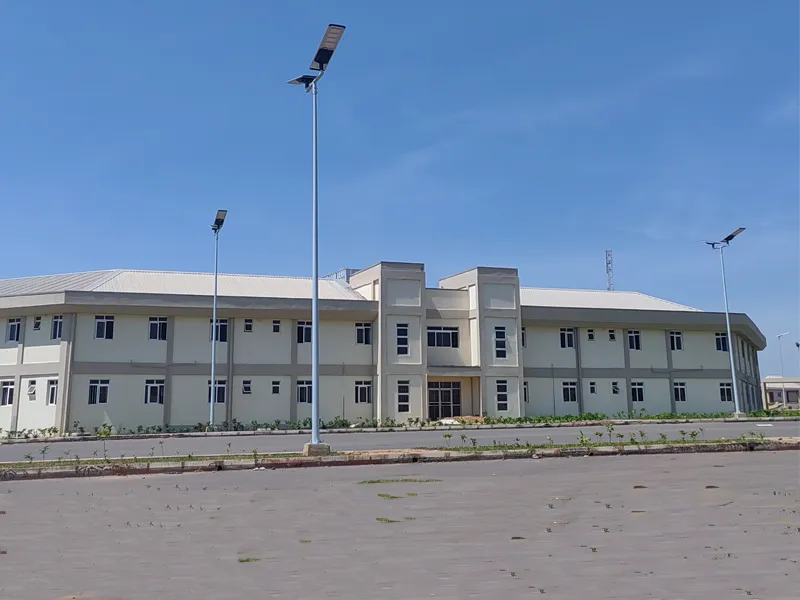

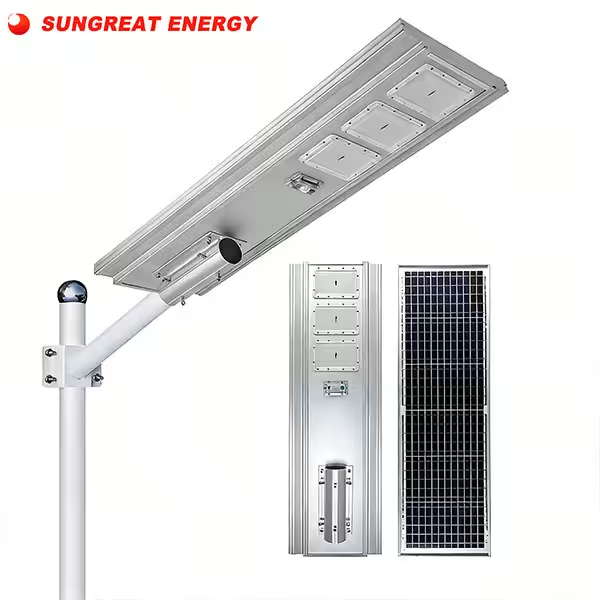





When selecting a solar street light, many people assume that more LED chips equate to brighter lighting. Some manufacturers even use this as a selling point, offering street lights with 64, 128, 256, 300, or even 500 LED chips.
However, the brightness and performance of a solar street light are determined by several other critical factors, not just the number of LED chips. In fact, focusing solely on LED quantity can be misleading.
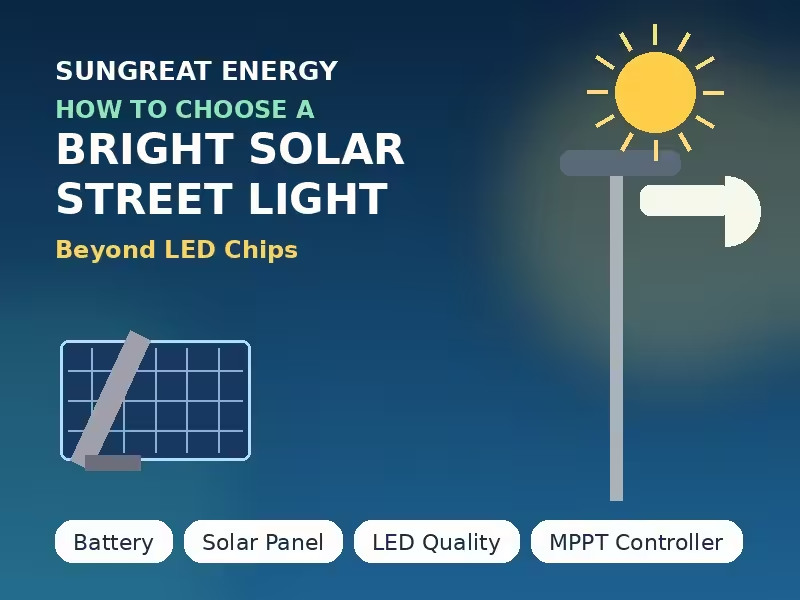
Below, we outline the essential components that genuinely influence the brightness, efficiency, and real-world longevity of solar street lights:
1. Battery Quality
The battery is arguably the most crucial component in a solar street light system. It stores energy harvested by the solar panels during the day and supplies power to the LED lamp at night. The voltage and material of the battery significantly impact its performance.

A high-quality battery, such as a 12.8V or 25.6V battery made from brand-new materials, will offer exponentially better efficiency and longevity than a 3.2V second-hand battery. To ensure consistent brightness and extended operation, always choose street lights engineered with high-quality, high-voltage battery banks.
2. PV Conversion Efficiency
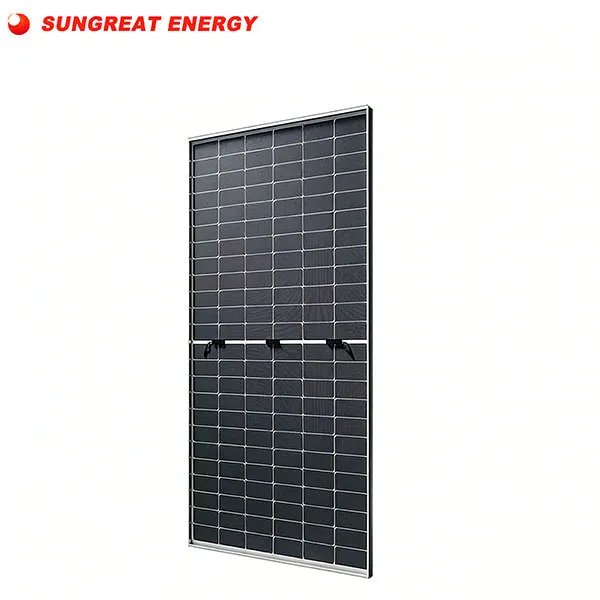
The type and efficiency of the solar panel play a vital role in determining how quickly and effectively the system charges. Mono-crystalline silicon panels are vastly superior to poly-crystalline alternatives, frequently achieving premium commercial efficiency rates of around 21.8%.

Utilizing brand-new, high-efficiency solar cells ensures that your lighting system can generate sufficient power to replenish the battery, even during heavily overcast days or in less-than-ideal geographical conditions.
3. LED Chip Quality
While the number of LED chips does alter the visual distribution of light, the structural quality of the chips is far more critical for achieving true brightness and power conservation.

Industry Standard Tip
Leading global brands like USA Bridgelux, Osram, and Philips produce premium LED chips that offer superior performance, high luminous efficacy (lumens per watt), and a Color Rendering Index (CRI) of over 80. Investing in tier-one LED chips yields far better lighting results than simply multiplying the chip count.
4. Technical Design
A professionally engineered solar street light balances structural aesthetics with pure industrial functionality. The architectural design must ensure that the outer casing is completely waterproof (typically IP65 or IP66 rated) and robust enough to isolate internal electronics. A well-calculated autonomy design should seamlessly protect the system, allowing the light to run reliably for 3 to 5 consecutive rainy or cloudy days without running out of power.
5. MPPT vs. PWM
The solar charge controller acts as the “brain” of the entire system, dynamically regulating the charging of the battery and the current discharge into the LEDs. There are two primary categories of controllers:
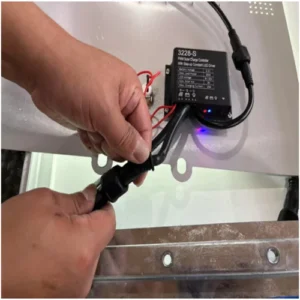
- PWM (Pulse Width Modulation): A budget-friendly, basic switch technology that results in notable power transfer loss.
- MPPT (Maximum Power Point Tracking): An advanced, high-performance option capable of achieving up to 99.96% tracking efficiency.
Selecting an MPPT controller ensures that your system captures every milliwatt of solar energy available, allowing your street light to remain running at its peak brightness even during challenging winter seasons.
6. Conclusion
While LED chips are an important component of solar street lights, they are not the sole factor in determining brightness and efficiency. To choose a high-performing solar street light, consider the quality of the battery, the efficiency of the solar panel, the brand and quality of the LED chips, the overall design, and the type of controller used.
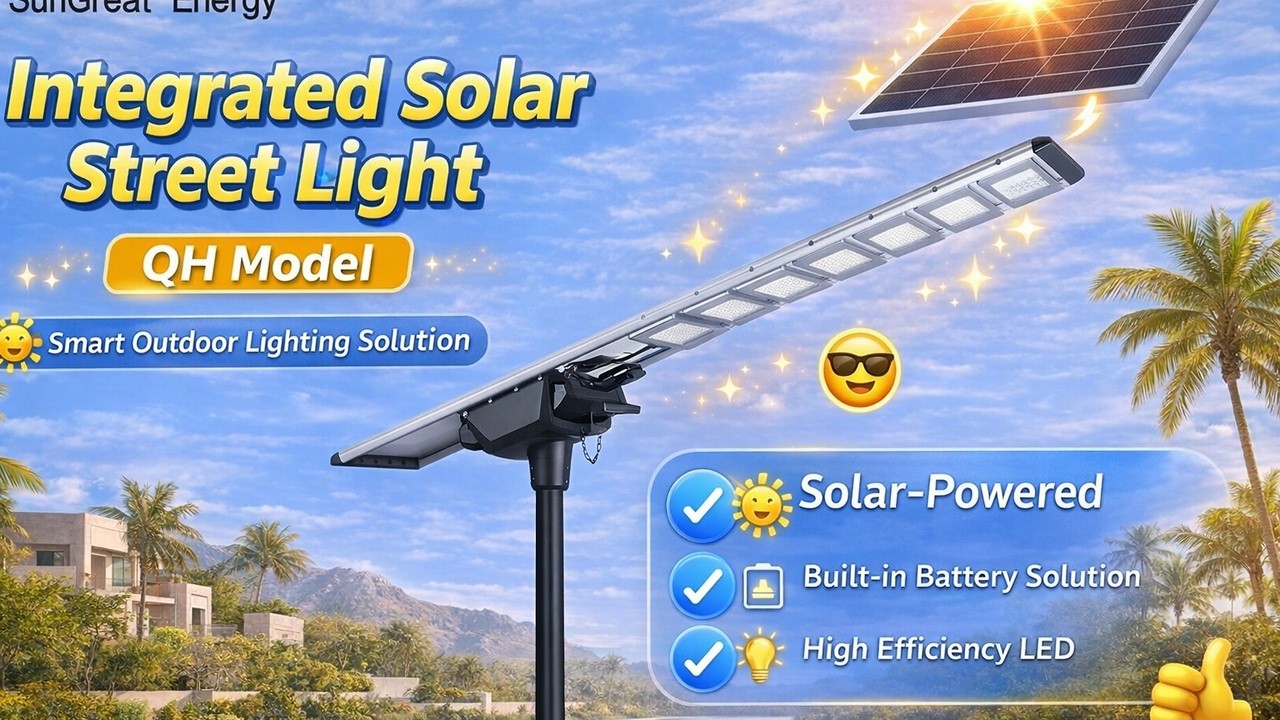
Additionally, always partner with reputable companies that have a proven track record of manufacturing reliable and field-tested solar lighting solutions.
7. Lighting Projects With Us
Ready to bring high-quality, long-lasting solar street lighting to your commercial development or municipal infrastructure? Get in touch with our expert engineering team today.
8. International Publications
To read further on peer-reviewed engineering metrics, battery lifecycles, and solar tracking validation, explore these international authorities:
- IEEE Xplore: Analysis and Optimization of High-Efficiency MPPT Photovoltaic Controllers – Evaluates the metrics behind 99%+ efficiency tracking protocols under fluctuating weather systems.
- ScienceDirect / Energy Reports: Lifecycle Assessment and Performance of High-Voltage Lithium Systems in Street Lighting – Validating why higher voltage layouts yield superior structural integrity over 3.2V legacy configurations.
- U.S. Department of Energy (DOE): Solid-State Lighting Luminaire Efficiency Standards – Research documenting how LED brand variations affect long-term lumen maintenance and color stability index (CRI).
- MDPI Energies: Mathematical Modeling of Mono-Crystalline Silicon Solar Cell Performance Under Intermittent Conditions – A paper confirming field metrics of monocrystalline performance hit up to 21.8% conversion.
- International Energy Agency (IEA): Global Best Practices for Energy Efficient Public Street Lighting – Outlining policy framework and design configurations necessary to sustain 3 to 5 days of environmental autonomy.
#solarlighting #solarstreetlight #integratedsolutions #solarprojects #solarpowered #solarenergysolutions #sungreatenergy #solarledlighting
“`