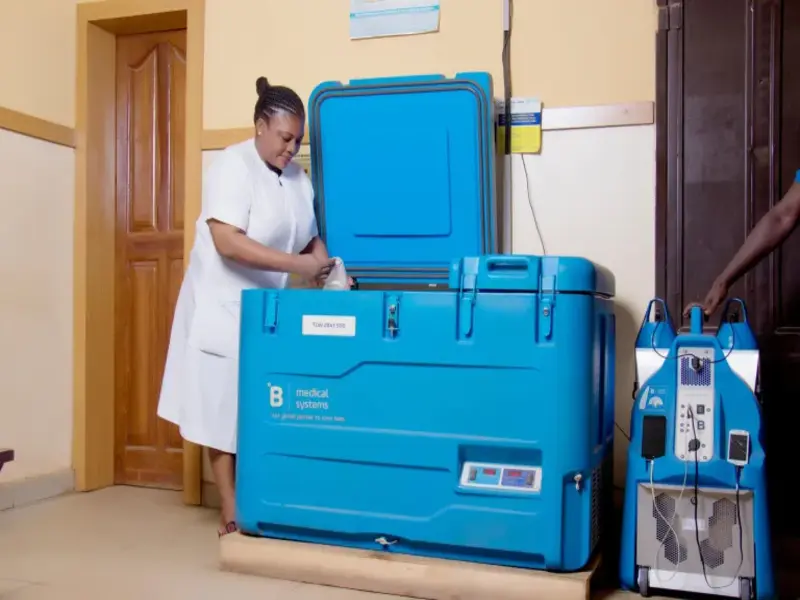





Before in depth learning of lifepo4 battery as we know many households, reliable electricity cannot be taken for granted. In areas with frequent brownouts, unstable grid supply or limited access to electricity, power interruptions can affect lighting, refrigeration, communication, home appliances and small businesses. In remote and rural communities, some homes may have little or no access to a reliable utility grid.
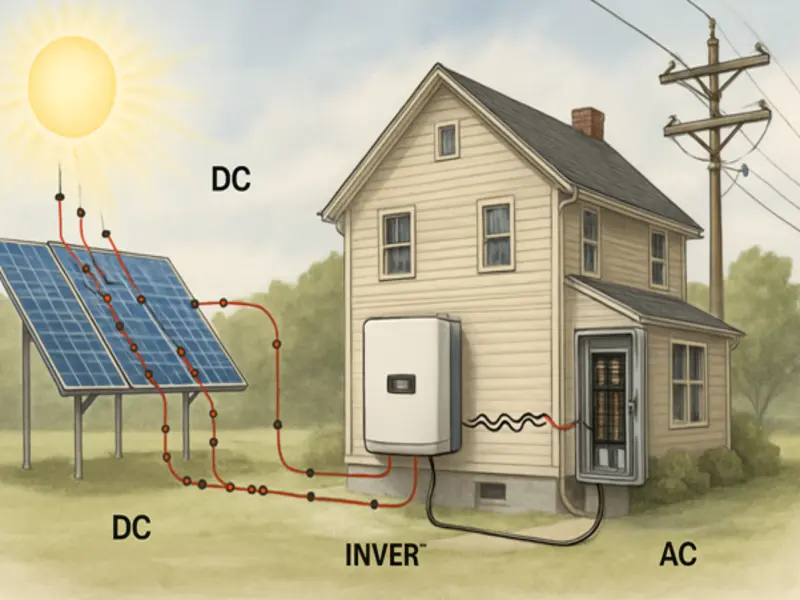
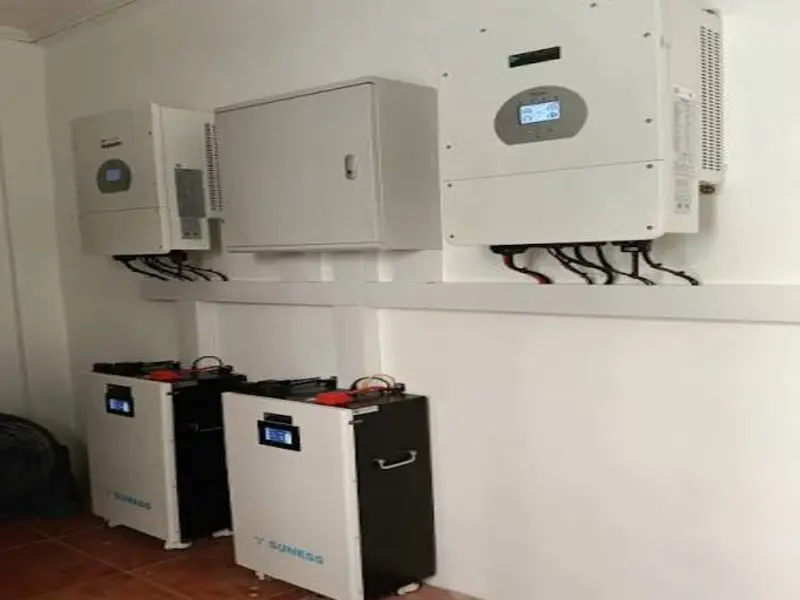
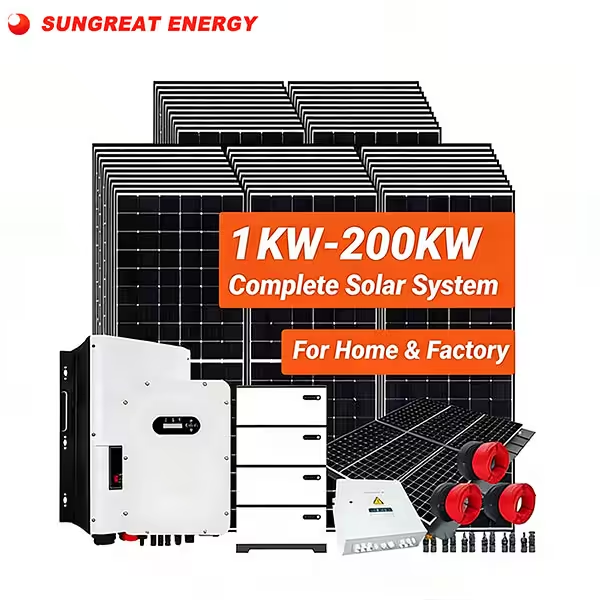
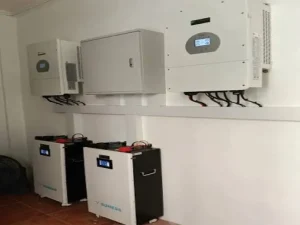
This is one reason solar home systems are becoming an increasingly practical solution for energy independence. By combining solar panels, an inverter and battery storage, a household can generate electricity during the day, store excess solar energy and use the stored energy at night or when the grid is unavailable.
For homeowners, this can mean greater energy independence and more reliable backup power. For EPC contractors and solar installers, however, it also creates an important technical question: How do you choose the right LiFePO4 battery for a particular solar home system?
The answer is not simply to choose the largest battery or the lowest price. The battery needs to match the home’s energy consumption, backup requirements, inverter, load profile, installation conditions and future expansion plans.
Quick Takeaways: 8 Things to Check Before Choosing a LiFePO4 Battery
- Start with the load, not the battery. Determine daily energy consumption, critical loads and required backup duration before selecting battery capacity.
- Compare usable capacity, not just nominal kWh. Depth of discharge (DoD), operating limits and system losses affect how much energy the battery can actually deliver.
- Check both energy and power requirements. A battery may have sufficient kWh but still be unable to provide enough kW for high-power household loads.
- Verify battery-inverter compatibility before ordering. Check voltage range, charging and discharge current, BMS communication, CAN/RS485 protocols and supported inverter models.
- Evaluate the BMS as part of the battery. Cell quality alone does not determine battery performance; protection, balancing, monitoring and communication are also important.
- Don’t compare batteries by price per kWh alone. Cycle life, usable capacity, efficiency, warranty, compatibility and supplier support all affect the total cost of ownership.
- Plan for future expansion. Check whether additional batteries can be connected in parallel and whether the inverter and BMS support system expansion.
- Choose a supplier, not just a battery. Technical support, compatibility testing, warranty handling and after-sales service can be critical to a project’s long-term success.
Why LiFePO4 Batteries Are Becoming Popular for Solar Home Systems
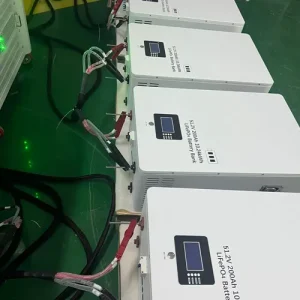
Lithium iron phosphate, commonly known as LiFePO4 or LFP, is widely used in stationary energy storage because it offers a combination of safety characteristics, cycle life and suitability for repeated charging and discharging.
As residential solar systems increasingly incorporate energy storage, installers can now choose from a wide range of LiFePO4 batteries, including wall-mounted, rack-mounted and modular systems with different capacities, BMS configurations and inverter compatibility.
This variety gives installers more flexibility, but it also makes battery selection more complicated.
Two batteries may both be advertised as 51.2V, 100Ah and 5.12kWh, yet differ in usable capacity, discharge capability, BMS, inverter compatibility, cycle-life conditions, warranty and supplier support.
For EPC contractors and solar installers, selecting the wrong battery can create problems long after the quotation has been approved, including insufficient backup time, inverter alarms, BMS communication failures, unexpected shutdowns and difficult after-sales service.
That’s why battery selection should be treated as a system-design decision, not simply a product-purchasing decision.
1. Battery Capacity Need?
Battery sizing should start with the customer’s actual electricity consumption and backup requirements. Installers should determine:
- How much energy does the home consume each day?
- Which appliances must remain powered during an outage?
- How many hours or days of backup are required?
- Is the system designed for grid backup, self-consumption or off-grid operation?
- Will the battery be charged primarily by solar panels, the grid, or both?
Battery capacity is measured in kilowatt-hours (kWh).
For example, if a household requires approximately 12kWh of usable energy per day and wants 1.5 days of backup, it would need around 18kWh of usable battery energy before considering additional system losses and operating limits.
If the system is designed around 80% usable depth of discharge and approximately 90% overall system efficiency:
18 / (0.8 x 0.9) = 25 kWh
So the installer may need a battery bank with approximately 25kWh of nominal capacity rather than simply choosing an 18kWh battery.
The exact calculation should always be adjusted according to the system design, battery specifications and expected operating conditions.
1.1 Nominal vs. Usable Capacity
A battery’s nominal capacity is its rated energy storage capacity. Its usable capacity is the amount of energy that can realistically be delivered to the loads under the intended operating conditions.
When comparing LiFePO4 batteries, installers should ask:
- What is the nominal capacity?
- What is the recommended DoD?
- What is the usable capacity?
- Under what conditions is the capacity specified?
Two batteries with the same nominal kWh rating may therefore provide different practical results.
2. Power of LiFePO4 Battery ?
Energy capacity and power output are two different specifications.
- kWh tells you how much energy the battery stores.
- kW tells you how much power it can deliver at a particular moment.
This distinction is especially important for homes with air conditioners, water pumps, refrigerators, induction cookers and other high-power appliances.
For example, a 51.2V 100Ah LiFePO4 battery has a nominal energy capacity of approximately 5.12kWh. If its maximum continuous discharge current is 100A, its theoretical DC output is approximately:
51.2 V x 100 A = 5.12 kW
under nominal conditions.
If the household requires more power than one battery can safely provide, multiple batteries may need to be connected in parallel. Installers should therefore check:
- Maximum continuous discharge current
- Maximum continuous discharge power
- Peak or surge discharge capability
- Maximum charging current
- Recommended operating conditions
A battery with sufficient energy capacity but insufficient discharge power can still become a limitation for the system.
3. Compatibility?
Battery-inverter compatibility should be confirmed before placing the order, not during commissioning. Voltage matching is only the starting point. Installers should check:
- Battery nominal voltage
- Battery operating voltage range
- Inverter battery voltage range
- Maximum charging current
- Maximum discharge current
- CAN or RS485 communication
- Communication protocol
- Communication cable and pinout
- Supported inverter models
- Firmware requirements
- Maximum number of batteries in parallel
A battery may have the correct voltage and capacity but still fail to operate correctly if its BMS cannot communicate properly with the inverter. Potential problems include:
- The inverter cannot detect the battery
- Incorrect state-of-charge readings
- Charging or discharging restrictions
- BMS communication alarms
- Unexpected battery protection
For EPC projects, requesting a battery-inverter compatibility list or testing a sample battery before a bulk purchase can help identify compatibility problems before installation.
4. BMS Matter in a Solar Battery?
The LiFePO4 cells are only one part of a complete battery system. The Battery Management System (BMS) monitors and manages the battery during operation. Depending on the design, it may provide:
- Overcharge protection
- Over-discharge protection
- Overcurrent protection
- Short-circuit protection
- Over-temperature and low-temperature protection
- Cell balancing
- Cell voltage monitoring
- State-of-charge monitoring
- Communication with the inverter
When evaluating a battery supplier, installers should ask what BMS is used and what communication functions it supports. A battery with good cells but an unsuitable BMS can still cause problems during installation and operation.
5. Evaluate Battery Quality?
Battery specifications can look very similar across suppliers. For example:
- Battery A: 51.2V / 100Ah / 5.12kWh
- Battery B: 51.2V / 100Ah / 5.12kWh
At first glance, they appear identical. However, installers should also compare:
- Cell quality and consistency
- BMS capabilities
- Usable capacity
- Continuous discharge power
- Cycle life
- Operating temperature range
- Efficiency
- Certifications
- Manufacturing quality
- Quality-control procedures
The battery cell brand is useful information, but it should not be the only basis for evaluating the complete battery. For an EPC project, the more important question is whether the complete battery system can reliably meet the project’s technical requirements.
6. DoD, Cycle Life and Warranty?
Depth of discharge (DoD) indicates how much of a battery’s capacity is used during a normal operating cycle. Cycle life describes how many charge-discharge cycles a battery can complete under specified test conditions before reaching a defined performance threshold.
Installers should be careful when comparing cycle-life figures from different suppliers because the test conditions may not be identical. Ask suppliers:
- At what DoD was the cycle life tested?
- At what charge and discharge rate?
- At what temperature?
- What capacity-retention threshold was used?
Warranty should also be evaluated carefully. A “10-year warranty” does not automatically mean that two batteries with different warranty periods can be directly compared. Installers should examine the actual warranty conditions, capacity-retention requirements, exclusions and replacement procedures.
A longer warranty can be valuable, but the terms behind the warranty matter just as much as the number of years.
7. Battery System Expanded ?
Residential energy requirements can change. A homeowner may initially install one 5kWh or 10kWh battery and later want additional storage capacity. Before selecting a battery, check:
- Maximum number of batteries that can be connected in parallel
- Whether the inverter supports the expanded battery bank
- Battery-to-battery communication
- Requirements for adding new batteries
- Whether the same battery model will remain available
Planning for future expansion during the initial system design can reduce the cost and complexity of later upgrades.
8. Factors Should EPCs Check?
Battery selection also needs to consider the physical installation environment. Installers should check:
- Battery dimensions and weight
- Wall-mounted or rack-mounted installation
- Indoor or outdoor installation requirements
- Operating temperature range
- Required installation clearance
- Protection against water and dust where applicable
- Cable routing and connection requirements
- Accessibility for inspection and maintenance
The best battery on paper is not necessarily the best choice if it cannot be safely and conveniently installed at the customer’s site.
9. Compare Batteries Factor?
Price is important, especially for EPC projects, but comparing batteries only by cost per nominal kWh can be misleading. Two batteries with the same nominal capacity may differ across key parameters:
| Factor | What to compare |
|---|---|
| Capacity | Nominal vs. usable kWh |
| Power | Continuous and peak discharge |
| Efficiency | Battery/system efficiency |
| Cycle life | Test conditions and capacity retention |
| Compatibility | Tested inverter models |
| BMS | Protection and communication |
| Expansion | Maximum parallel quantity |
| Warranty | Coverage and conditions |
| Support | Technical and after-sales service |
The battery with the lowest purchase price may not have the lowest total cost of ownership if it creates additional installation, troubleshooting, replacement or after-sales costs. For EPC contractors, a slightly higher upfront cost can sometimes be justified if the battery offers better compatibility, reliability and long-term support.
LiFePO4 Battery Selection Checklist for Solar Installers
Before placing an order, EPCs and installers should confirm:
- Required usable battery capacity
- Required continuous and peak power
- Battery voltage and operating range
- Maximum charge and discharge current
- BMS protection functions
- CAN/RS485 communication
- Inverter compatibility
- Maximum parallel battery quantity
- Installation requirements
- Safety certifications
- Cycle-life test conditions
- Warranty terms
- Technical and after-sales support
Frequently Asked Questions About LiFePO4 Batteries
Is a 10kWh battery enough for a home?
It depends on the home’s electricity consumption, required backup duration, usable battery capacity and the loads that need to remain powered. A 10kWh battery may be sufficient for essential-load backup but inadequate for whole-home backup in a high-consumption household.
Is a 51.2V battery the same as a 48V battery?
51.2V LiFePO4 batteries are commonly used in systems described as “48V-class” battery systems. However, installers should always check the actual voltage range and compatibility requirements of the inverter rather than relying only on the nominal voltage label.
Can any 51.2V LiFePO4 battery work with a hybrid inverter?
No. Voltage compatibility does not guarantee complete system compatibility. The battery’s BMS, communication protocol, current limits and inverter compatibility should all be verified.
How many LiFePO4 batteries can be connected in parallel?
The answer depends on the battery BMS, inverter and system design. Always check the manufacturer’s specified maximum parallel quantity and communication requirements.
What is more important: battery capacity or discharge power?
Both are important, but they solve different problems. Battery capacity determines how long the system can supply energy, while discharge power determines how much load the battery can support at one time.
10. Conclusion
For households affected by frequent brownouts, unreliable grid supply or limited grid access, a solar home system with battery storage can provide reliable backup power and greater energy independence.
For EPC contractors and solar installers, however, choosing the right LiFePO4 battery requires more than comparing battery brands, capacity or price. The selection process should start with the customer’s load profile and backup requirements, followed by battery capacity and power calculations, inverter and BMS compatibility checks, and evaluation of cycle life, safety, expandability, warranty and supplier support.
The best solar battery is not necessarily the one with the largest capacity or lowest price. It is the battery that is properly matched to the solar home system, compatible with the inverter, capable of meeting the customer’s load requirements, and supported by a supplier that can provide reliable technical and after-sales service.
Ready to find the right capacity for your project?
- 📧 Get a Custom Quote: [email protected]
- 💬 WhatsApp Us: +86 157 7646 7829
11. Industry Publications
- International Renewable Energy Agency (IRENA) – Battery Storage for Renewables: Market Status and Technology Outlook
- Solar Power World – Best Practices for Residential Energy Storage Installation
- Clean Energy Council – Battery Storage Guidelines for Installers and EPC Contractors
- IEA (International Energy Agency) – Renewables Report: Residential Solar and Storage Trends
- PV Magazine – Technical Considerations for Lithium Iron Phosphate (LiFePO4) Integration in Solar Systems