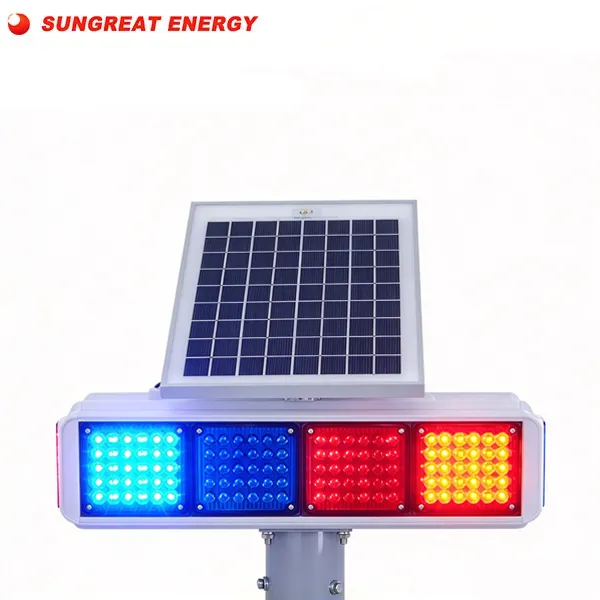
Semaforo solare TL con moduli LED blu, rossi e gialli
Il lampione stradale a LED Sungreat Energy serie LE da 150 W, dal design a doppio modulo, con ottica di tipo III e alloggiamento in alluminio e policarbonato con grado di protezione IP66, è ideale per l'illuminazione di strade e parcheggi.
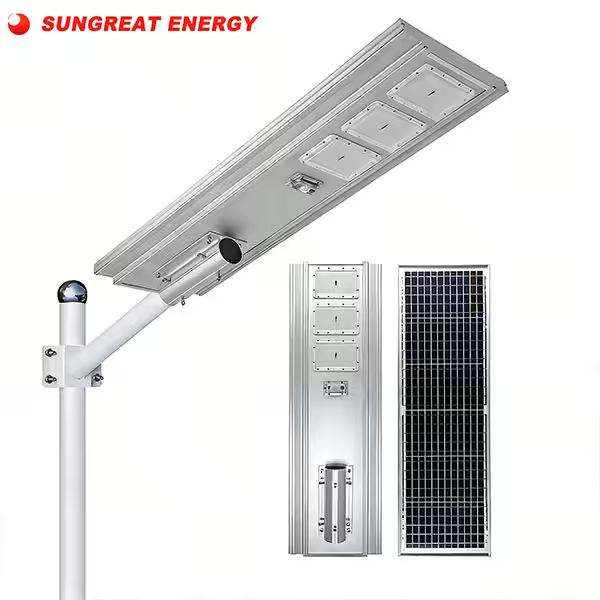
Il lampione stradale solare integrato Sungreat Energy serie FN è dotato di pannello solare posteriore e design di illuminazione stradale a LED multi-modulo.
Sistema di congelamento solare Sungreat Energy serie SF con pannelli fotovoltaici, regolatore MPPT e batterie al gel per raffreddamento fuori rete.
Frigorifero solare Sungreat Energy serie SDR, completo di pannelli solari e sistema di batterie per soluzioni di raffreddamento off-grid.
Sistema di climatizzazione solare off-grid di Sungreat Energy, composto da unità interna, condensatore esterno, batteria LiFePO4 e tre pannelli fotovoltaici per un raffreddamento indipendente ed ecologico, senza dipendenza dalla rete elettrica.
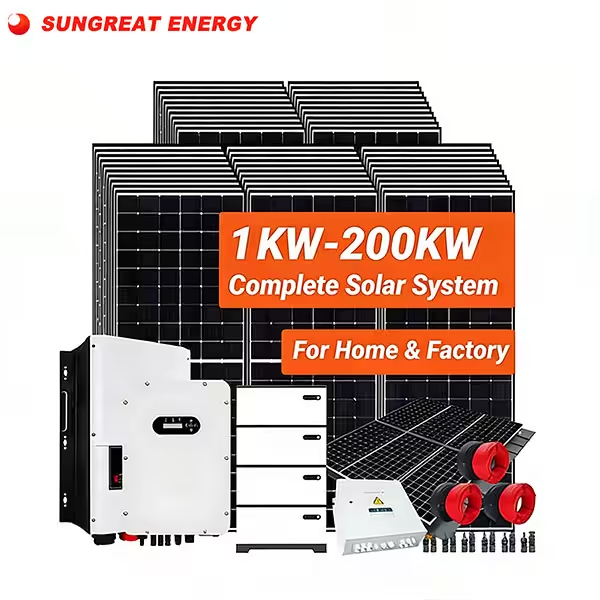
Sistema completo di energia solare da 10 kW con tutti gli accessori.
Gamma di batterie LiFePO4 di Sungreat Energy con modelli a parete e da pavimento dotati di display digitali.
Sungreat Energy: unità multifunzione batteria e inverter disponibili in tre diverse dimensioni.
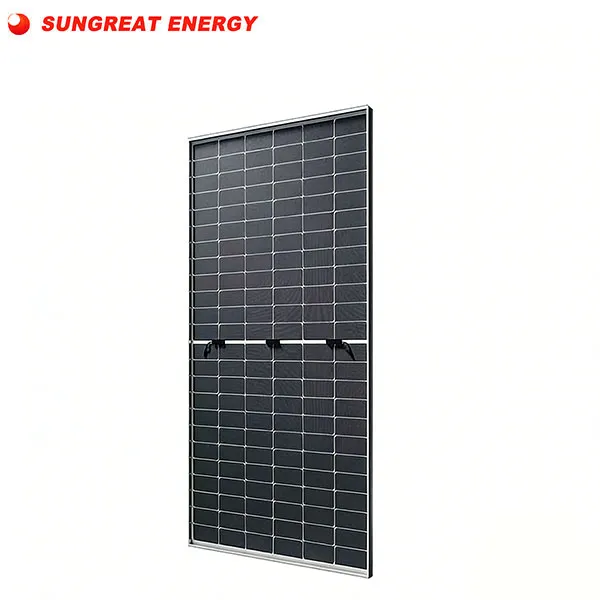
Pannello solare monocristallino Sungreat Energy
Borsa pieghevole per pannello solare ETFE modello FP da 200 W, apribile con supporti per la ricarica come stazione di alimentazione portatile.
Pannello solare monocristallino serie SP di Sungreat Energy

Thailand’s New Mandatory Standards for Solar Panels, Batteries, Inverters and Chargers: What It Means for the Photovoltaic Market in 2026


Thailand’s New Mandatory Standards for Solar Panels, Batteries, Inverters and Chargers What It Means for the Photovoltaic Market in 2026 main

Thailand is rapidly tightening quality and safety rules across the new solar energy sector. In recent months, the Ministry of Industry and the Thai Industrial Standards Committee have moved multiple Thai Industrial Standards (TIS) from voluntary to mandatory controlled-product status. The measures cover Pannelli Solari, batterie al litio for energy storage, PV system components, EV charging equipment, and related safety requirements.

These changes directly affect Thailand’s growing photovoltaic market, rooftop solar adoption, and the broader clean-energy supply chain. Here is a clear breakdown of the key developments and their practical implications.

1. Moving Forward Standards

1.1 PV System Components

Target Timeline: September 2026 – Early 2027 | Standard: TIS 61730 Part 2-2567
Thailand’s New Mandatory Standards for Solar Panels, Batteries, Inverters and Chargers What It Means for the Photovoltaic Market in 2026 moving farword standards

In May 2026, the Thai Industrial Standards Committee approved TIS 61730 Part 2-2567 for photovoltaic modules—harmonized with the international IEC 61730-2 safety qualification standard. The Thai Industrial Standards Institute (TISI) is preparing the formal announcement that will make these modules controlled goods. Officials expect the requirement to take legal effect in September 2026. After that date, Pannelli Solari produced, imported, or sold in Thailand must carry TIS certification.

Four additional products are also targeted for mandatory status within 2026:

Interruttori di circuito CC for photovoltaic systems (aligned with IEC 60947-2)
Fusibili designed for solar energy systems (aligned with IEC 60269-6)
Specialised PV cables (allineato con IEC 62930)
Batterie al litio used in energy storage systems (ESS) (aligned with IEC 62619 and IEC 63056)

Two further standards—for PV junction boxes (aligned with IEC 62790) and DC MC4 connectors—are scheduled for submission by September 2026.

TISI has already published a broader suite of standards covering the full system (Pannelli Solari, inverter, convertitori, batterie, cables, design, installation, and testing, incorporating frameworks such as IEC 62109 for power converters). The Ministry of Industry aims to make the complete package compulsory by early 2027.

1.2 EV Equipment

Approved: 21 July 2026 | Rollout: June 2027 – Early 2028

On 21 July 2026, the same committee approved five additional EV-related TIS standards—aligned with international benchmarks like the IEC 61851 conductive charging series and UN vehicle safety regulations—as mandatory controlled products:

  • Portable EV charging cables
  • Caricabatterie CA
  • Caricatori rapidi CC
  • Side-impact occupant protection requirements
  • Frontal-impact occupant protection requirements

Portable cables and residential AC chargers are expected to become mandatory by June 2027. DC fast chargers and the vehicle crash-protection standards are targeted for early 2028.

Closing the Storage Safety Gap: Consumer-grade portable power banks already face some mandatory safety rules. The new batteria al litio requirements for stationary energy storage close an important gap between household and larger-scale applications.

2. Impact on Thailand’s Market
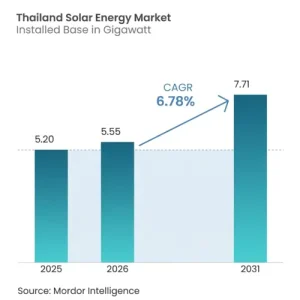
Thailand’s New Mandatory Standards for Solar Panels, Batteries, Inverters and Chargers What It Means for the Photovoltaic Market in 2026 market

2.1 Fiducia dei consumatori

Rooftop solare is expanding quickly, supported by tax deductions of up to 200,000 baht for eligible household systems and a surplus electricity buy-back rate of approximately 2.20 baht per unit. Mandatory standards reduce the risk of fire, short circuits, and other safety incidents that could undermine public trust. Higher confidence should support continued growth in residential and commercial installations.

2.2 Local Opportunity

By requiring TIS certification, Thailand is limiting the entry of low-quality imports. This creates clearer incentives for local manufacturers and assemblers of moduli solari, cavi, inverter, energy-storage batteries, and charging equipment. The policy aligns with broader industrial goals of building a more complete domestic clean-energy value chain.

2.3 Support for Projects

The explicit inclusion of batterie al litio for energy storage systems is particularly relevant for the photovoltaic sector. As solare penetration rises, grid stability and self-consumption become more important. Clear mandatory standards for batterie ESS help de-risk “solare + storage” projects and public or commercial charging hubs that integrate renewable generation.

2.4 Short-Term Challenges

Compliance will raise testing and certification costs for importers and some manufacturers. Capacity at accredited laboratories and the speed of transition rules will determine how smoothly the market adjusts. Some observers note that standards for large-scale ESS and EV traction batterie have lagged behind module standards; the current package is intended to close that gap. End-of-life management is also receiving attention, with plans discussed for pannello solare and batteria recycling industrial estates.

3. Guardando avanti

Strategic Outlook: Power Development Plan & Net Zero 2050

Thailand’s New Mandatory Standards for Solar Panels, Batteries, Inverters and Chargers What It Means for the Photovoltaic Market in 2026 news

These mandatory TIS requirements form part of Thailand’s wider energy-transition framework, including higher clean-electricity targets in the forthcoming Power Development Plan and the national Net Zero 2050 ambition. For solare developers, EPCs, equipment suppliers, and investors, the practical next steps are clear:

  1. Verify Compliance Early: Confermare che moduli, inverter, batterie, and balance-of-system components already hold or can obtain the relevant TIS marks.
  2. Track Regulatory Timelines: Monitor the exact gazette announcements for September 2026 and the 2027–2028 charger timelines.
  3. Adjust Project Pipelines: Factor certification lead times and potential cost impacts into project pipelines.

The overall direction is positive for a more professional, safer, and more sustainable photovoltaic market in Thailand. Quality will increasingly differentiate suppliers, and companies that prepare early will be best positioned to serve both the growing rooftop segment and larger hybrid projects.

Readers are encouraged to verify the latest official announcements via the references below, as implementation details may be refined in the formal ministerial regulations.

4. Riferimenti

Categoria Fonte e collegamento
Thai Regulatory & Industry News Matichon Online – Ministry of Industry Solar & TISI Updates
Thai Regulatory & Industry News The Standard – Solar & EV Recycling Standards in Thailand
Thai Regulatory & Industry News The Nation Thailand – Sustaination & Clean Energy Policy
Thai Regulatory & Industry News Thairath Online – Thai Economic & Industrial Standards Coverage
Thai Regulatory & Industry News MarkLines – Thailand Approves Five EV-Related Mandatory TIS Standards
Thai Regulatory & Industry News Thansettakij – Mandatory TIS Standards for EV Chargers
International Technical Standards & Equipment Solutions International Electrotechnical Commission (IEC) – IEC 61730 Photovoltaic Module Safety Qualification
International Technical Standards & Equipment Solutions International Electrotechnical Commission (IEC) – IEC 62619 Secondary Lithium Cells & Batteries for Industrial/ESS Applications
International Technical Standards & Equipment Solutions International Electrotechnical Commission (IEC) – Standards Webstore (IEC 62109, IEC 60947-2, IEC 60269-6, IEC 62930, IEC 61851)
International Technical Standards & Equipment Solutions Thai Industrial Standards Institute (TISI) – Official Portal
International Technical Standards & Equipment Solutions

Sungreat Energy – Solar Panels, Inverters & Lithium Battery Storage Solutions
Immagine di SungreatenergyAdmin

SungreatenergyAdmin

Benvenuto per condividere questa pagina:
Prodotti
Ottieni subito un preventivo gratuito!
Modulo di Contatto
Prodotti Correlati
Related News
Thailand’s New Mandatory Standards for Solar Panels, Batteries, Inverters and Chargers What It Means for the Photovoltaic Market in 2026 main

  Thailand is rapidly tightening quality and safety rules across the new solar energy sector. In recent months, the Ministry […]

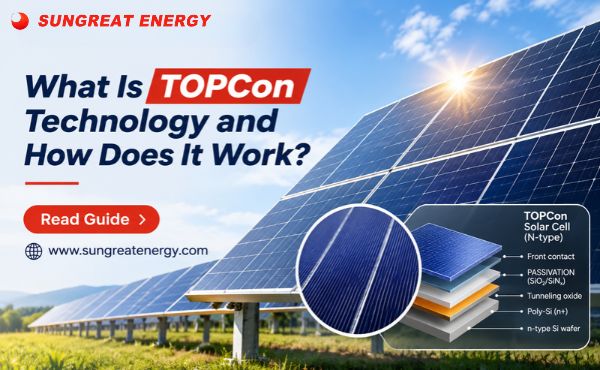
Cos'è la tecnologia TOPCon e come funziona?

TOPCon sta per Tunnel Oxide Passivated Contact, una tecnologia per celle solari in silicio cristallino ad alta efficienza progettata per migliorare la passivazione dei portatori di carica e […]

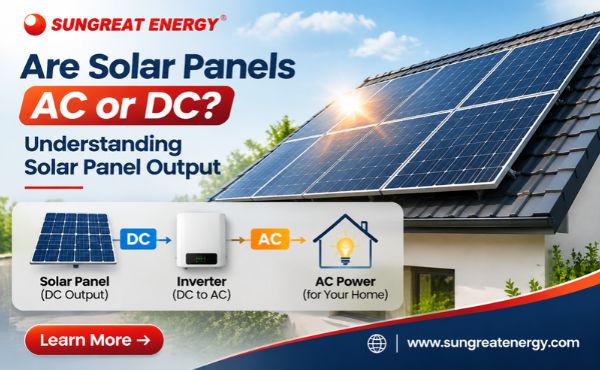
I pannelli solari funzionano in corrente alternata (AC) o in corrente continua (DC)? Comprendere la produzione dei pannelli solari

I pannelli solari producono elettricità in corrente continua (CC). Le celle fotovoltaiche all'interno dei pannelli generano energia in corrente continua quando la luce solare raggiunge il semiconduttore […]

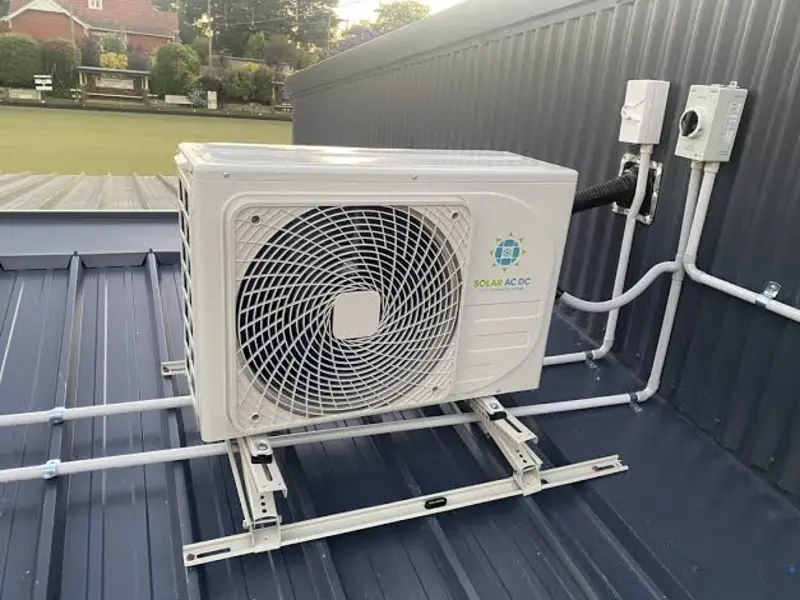
Perché i condizionatori d'aria solari Sungreat Energy stanno guadagnando popolarità a livello globale (copertina)

Con le temperature globali che continuano a raggiungere livelli record, la domanda di energia solare per il raffreddamento residenziale e commerciale è aumentata vertiginosamente. I sistemi tradizionali […]

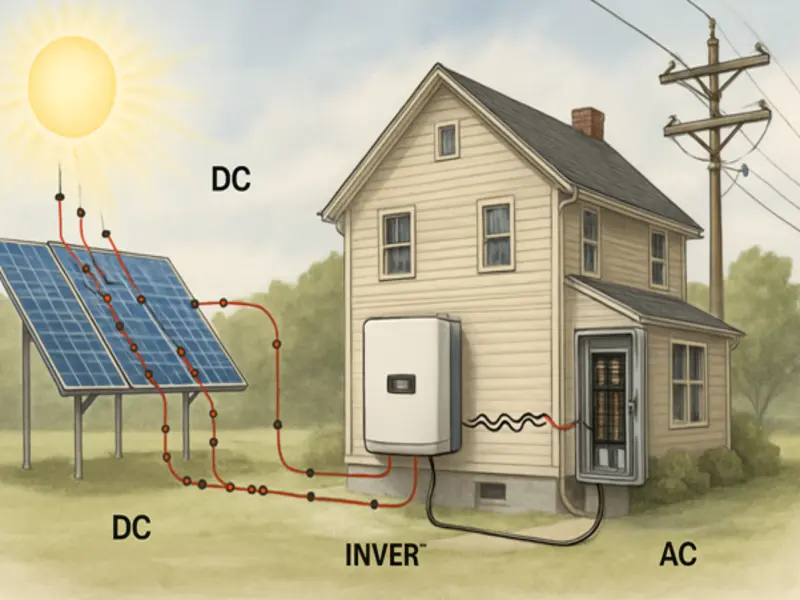
CA vs. CC: Comprendere il linguaggio del tuo impianto solare PRINCIPALE

Quando passi all'energia solare, sentirai spesso due termini: CA (corrente alternata) e CC (corrente continua). Potrebbe […]

Scegliere il frigorifero solare giusto per le cliniche remote

Per le strutture mediche e le comunità rurali dell'Africa subsahariana e dell'America Latina, la refrigerazione solare non è un lusso, ma una necessità […]

Scorrere fino a Top

Ottieni subito un preventivo gratuito!

Modulo di Contatto
In caso di domande, non esitare a contattarci.
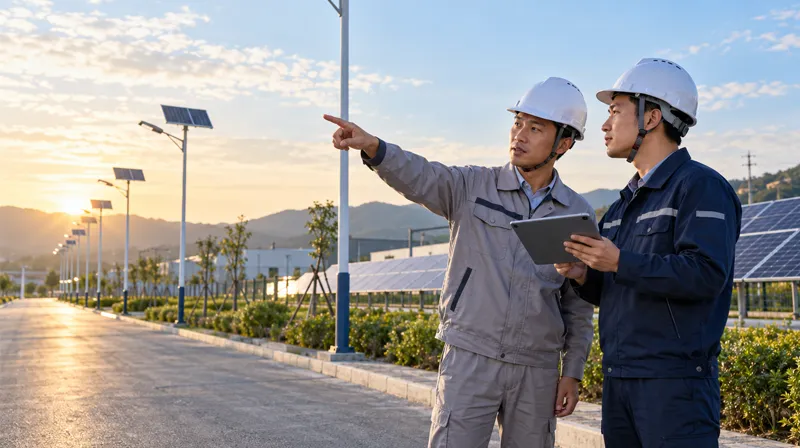
Ingegneri discutono di un progetto personalizzato di illuminazione stradale a energia solare e di un impianto fotovoltaico.