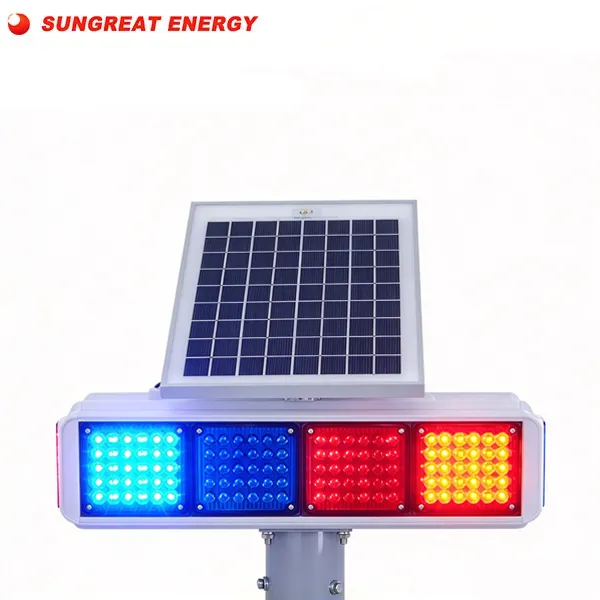
Semáforo solar TL con módulos de señalización LED azules, rojos y amarillos.
Farola LED tipo caja de 150 W de la serie LE de Sungreat Energy, con diseño de doble módulo, óptica tipo III y carcasa de aluminio y policarbonato con clasificación IP66 para iluminación de carreteras y zonas de aparcamiento.
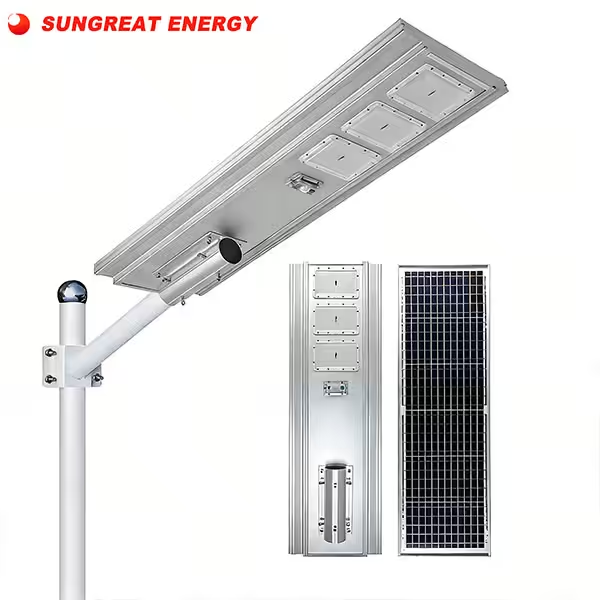
Farola solar integrada Sungreat Energy Serie FN con panel solar trasero y diseño de iluminación vial LED multimodular.
Sistema de congelación solar Sungreat Energy Serie SF con paneles fotovoltaicos, controlador MPPT y baterías de gel para refrigeración fuera de la red eléctrica.
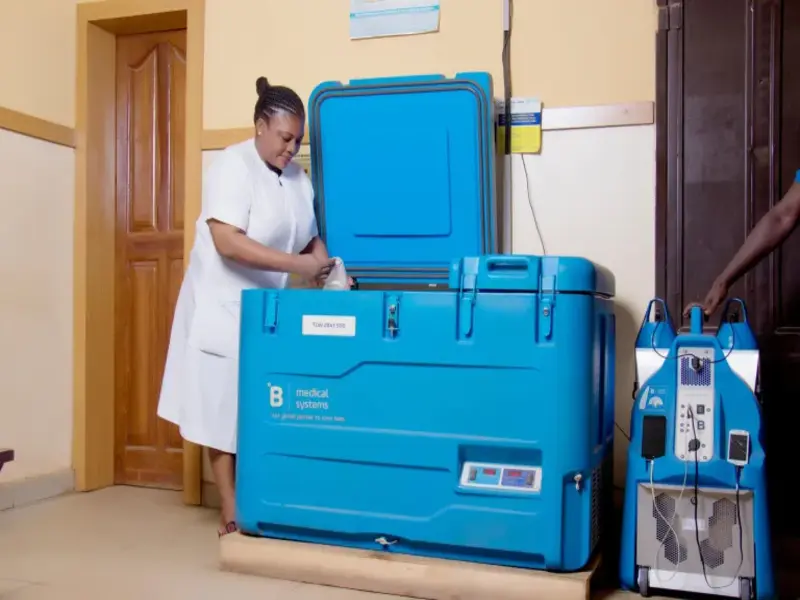
Caja de fábrica para refrigerador solar Sungreat Energy Serie SDR, completa con paneles solares y sistema de baterías para soluciones de refrigeración fuera de la red eléctrica.
Sistema de aire acondicionado solar autónomo de Sungreat Energy, que incluye una unidad interior, un condensador exterior, una batería Lifepo4 y tres paneles fotovoltaicos para una refrigeración independiente y ecológica sin dependencia de la red eléctrica.
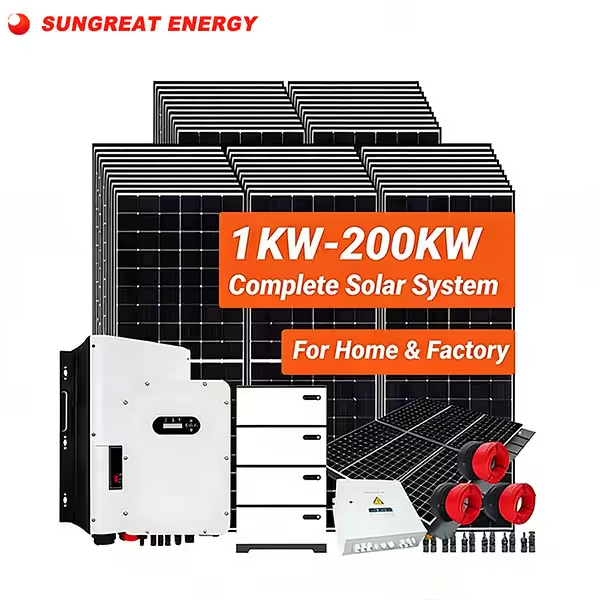
Sistema completo de energía solar de 10 kW con todos los accesorios.
Gama de baterías LiFePO4 de Sungreat Energy, que muestra modelos de pared y de pie con pantallas digitales.
Unidades de batería e inversor todo en uno de Sungreat Energy en tres tamaños diferentes.
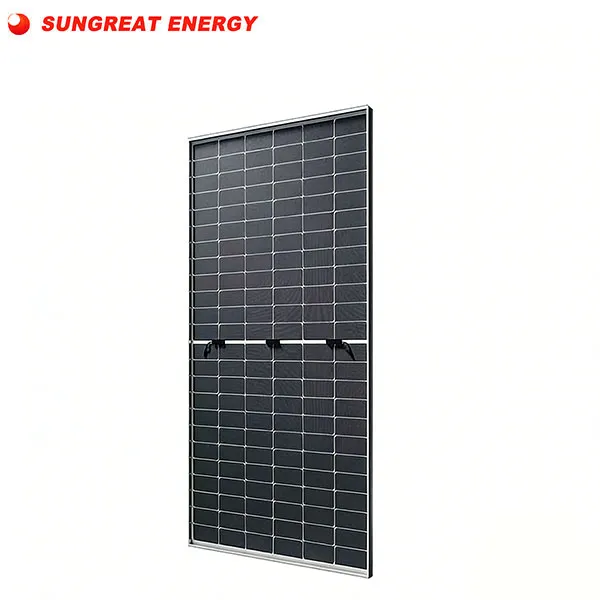
Panel solar monocristalino Sungreat Energy
Bolsa plegable para panel solar ETFE modelo FP de 200 W con soportes integrados para carga de estación de energía portátil.
Panel solar monocristalino Sungreat Energy Serie SP

Thailand’s New Mandatory Standards for Solar Panels, Batteries, Inverters and Chargers: What It Means for the Photovoltaic Market in 2026


Thailand’s New Mandatory Standards for Solar Panels, Batteries, Inverters and Chargers What It Means for the Photovoltaic Market in 2026 main

Thailand is rapidly tightening quality and safety rules across the new solar energy sector. In recent months, the Ministry of Industry and the Thai Industrial Standards Committee have moved multiple Thai Industrial Standards (TIS) from voluntary to mandatory controlled-product status. The measures cover Paneles solares, baterías de litio for energy storage, PV system components, EV charging equipment, and related safety requirements.

These changes directly affect Thailand’s growing photovoltaic market, rooftop solar adoption, and the broader clean-energy supply chain. Here is a clear breakdown of the key developments and their practical implications.

1. Moving Forward Standards

1.1 PV System Components

Target Timeline: September 2026 – Early 2027 | Standard: TIS 61730 Part 2-2567
Thailand’s New Mandatory Standards for Solar Panels, Batteries, Inverters and Chargers What It Means for the Photovoltaic Market in 2026 moving farword standards

In May 2026, the Thai Industrial Standards Committee approved TIS 61730 Part 2-2567 for photovoltaic modules—harmonized with the international IEC-61730 2 safety qualification standard. The Thai Industrial Standards Institute (TISI) is preparing the formal announcement that will make these modules controlled goods. Officials expect the requirement to take legal effect in September 2026. After that date, Paneles solares produced, imported, or sold in Thailand must carry TIS certification.

Four additional products are also targeted for mandatory status within 2026:

Disyuntores de CC for photovoltaic systems (aligned with IEC-60947 2)
fusibles designed for solar energy systems (aligned with IEC-60269 6)
Specialised PV cables (alineado con IEC 62930)
Baterías de litio used in energy storage systems (ESS) (aligned with IEC 62619 y IEC 63056)

Two further standards—for PV junction boxes (aligned with IEC 62790) and DC MC4 connectors—are scheduled for submission by September 2026.

TISI has already published a broader suite of standards covering the full system (Paneles solares, inversores, convertidores, baterías, cables, design, installation, and testing, incorporating frameworks such as IEC 62109 for power converters). The Ministry of Industry aims to make the complete package compulsory by early 2027.

1.2 EV Equipment

Approved: 21 July 2026 | Rollout: June 2027 – Early 2028

On 21 July 2026, the same committee approved five additional EV-related TIS standards—aligned with international benchmarks like the IEC 61851 conductive charging series and UN vehicle safety regulations—as mandatory controlled products:

  • Portable EV charging cables
  • cargadores de CA
  • Cargadores rápidos DC
  • Side-impact occupant protection requirements
  • Frontal-impact occupant protection requirements

Portable cables and residential AC chargers are expected to become mandatory by June 2027. DC fast chargers and the vehicle crash-protection standards are targeted for early 2028.

Closing the Storage Safety Gap: Consumer-grade portable power banks already face some mandatory safety rules. The new batería de litio requirements for stationary energy storage close an important gap between household and larger-scale applications.

2. Impact on Thailand’s Market
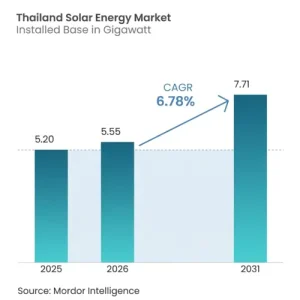
Thailand’s New Mandatory Standards for Solar Panels, Batteries, Inverters and Chargers What It Means for the Photovoltaic Market in 2026 market

2.1 Confianza del consumidor

Rooftop solar is expanding quickly, supported by tax deductions of up to 200,000 baht for eligible household systems and a surplus electricity buy-back rate of approximately 2.20 baht per unit. Mandatory standards reduce the risk of fire, short circuits, and other safety incidents that could undermine public trust. Higher confidence should support continued growth in residential and commercial installations.

2.2 Local Opportunity

By requiring TIS certification, Thailand is limiting the entry of low-quality imports. This creates clearer incentives for local manufacturers and assemblers of módulos solares, cabos, inversores, energy-storage batteries, and charging equipment. The policy aligns with broader industrial goals of building a more complete domestic clean-energy value chain.

2.3 Support for Projects

The explicit inclusion of baterías de litio for energy storage systems is particularly relevant for the photovoltaic sector. As solar penetration rises, grid stability and self-consumption become more important. Clear mandatory standards for Baterías ESS help de-risk “solar + storage” projects and public or commercial charging hubs that integrate renewable generation.

2.4 Short-Term Challenges

Compliance will raise testing and certification costs for importers and some manufacturers. Capacity at accredited laboratories and the speed of transition rules will determine how smoothly the market adjusts. Some observers note that standards for large-scale ESS and EV traction baterías have lagged behind module standards; the current package is intended to close that gap. End-of-life management is also receiving attention, with plans discussed for panel solar y agresión con lesiones recycling industrial estates.

3. Mirando hacia el futuro

Strategic Outlook: Power Development Plan & Net Zero 2050

Thailand’s New Mandatory Standards for Solar Panels, Batteries, Inverters and Chargers What It Means for the Photovoltaic Market in 2026 news

These mandatory TIS requirements form part of Thailand’s wider energy-transition framework, including higher clean-electricity targets in the forthcoming Power Development Plan and the national Net Zero 2050 ambition. For solar developers, EPCs, equipment suppliers, and investors, the practical next steps are clear:

  1. Verify Compliance Early: Confirma eso módulos, inversores, baterías, and balance-of-system components already hold or can obtain the relevant TIS marks.
  2. Track Regulatory Timelines: Monitor the exact gazette announcements for September 2026 and the 2027–2028 charger timelines.
  3. Adjust Project Pipelines: Factor certification lead times and potential cost impacts into project pipelines.

The overall direction is positive for a more professional, safer, and more sustainable photovoltaic market in Thailand. Quality will increasingly differentiate suppliers, and companies that prepare early will be best positioned to serve both the growing rooftop segment and larger hybrid projects.

Readers are encouraged to verify the latest official announcements via the references below, as implementation details may be refined in the formal ministerial regulations.

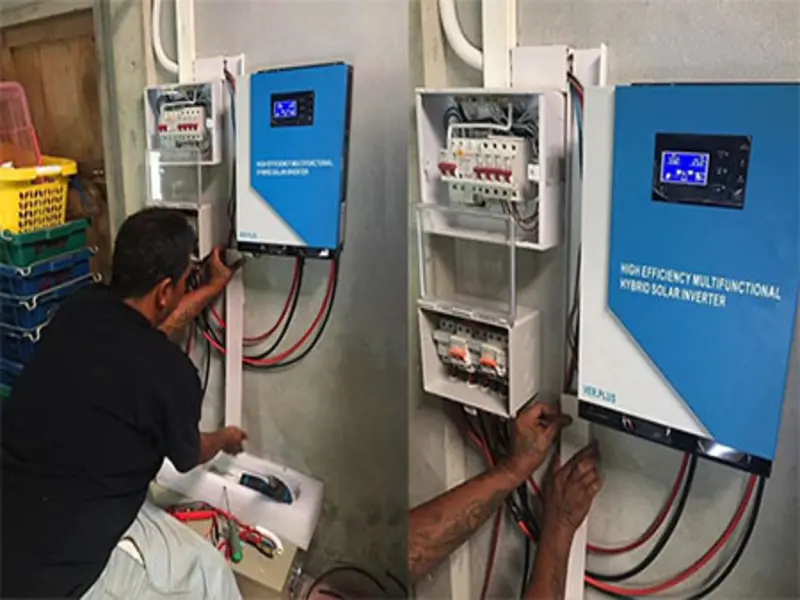
4. referencias

Categoría Fuente y enlace
Thai Regulatory & Industry News Matichon Online – Ministry of Industry Solar & TISI Updates
Thai Regulatory & Industry News The Standard – Solar & EV Recycling Standards in Thailand
Thai Regulatory & Industry News The Nation Thailand – Sustaination & Clean Energy Policy
Thai Regulatory & Industry News Thairath Online – Thai Economic & Industrial Standards Coverage
Thai Regulatory & Industry News MarkLines – Thailand Approves Five EV-Related Mandatory TIS Standards
Thai Regulatory & Industry News Thansettakij – Mandatory TIS Standards for EV Chargers
International Technical Standards & Equipment Solutions International Electrotechnical Commission (IEC) – IEC 61730 Photovoltaic Module Safety Qualification
International Technical Standards & Equipment Solutions International Electrotechnical Commission (IEC) – IEC 62619 Secondary Lithium Cells & Batteries for Industrial/ESS Applications
International Technical Standards & Equipment Solutions International Electrotechnical Commission (IEC) – Standards Webstore (IEC 62109, IEC 60947-2, IEC 60269-6, IEC 62930, IEC 61851)
International Technical Standards & Equipment Solutions Thai Industrial Standards Institute (TISI) – Official Portal
International Technical Standards & Equipment Solutions

Sungreat Energy – Solar Panels, Inverters & Lithium Battery Storage Solutions
Imagen de SungreatenergyAdmin

Administrador de Sungreatenergy

Bienvenido a compartir esta página:
Categorías de Producto
¡Obtenga una cotización gratis ahora!
Formulario de Contacto
Productos relacionados
Noticias Relacionadas
Thailand’s New Mandatory Standards for Solar Panels, Batteries, Inverters and Chargers What It Means for the Photovoltaic Market in 2026 main

  Thailand is rapidly tightening quality and safety rules across the new solar energy sector. In recent months, the Ministry […]

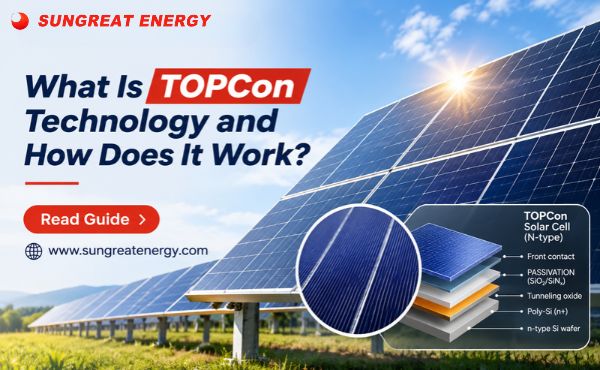
¿Qué es la tecnología TOPCon y cómo funciona?

TOPCon significa Contacto Pasivado de Óxido de Túnel, una tecnología de células solares de silicio cristalino de alta eficiencia diseñada para mejorar la pasivación de portadores y […]

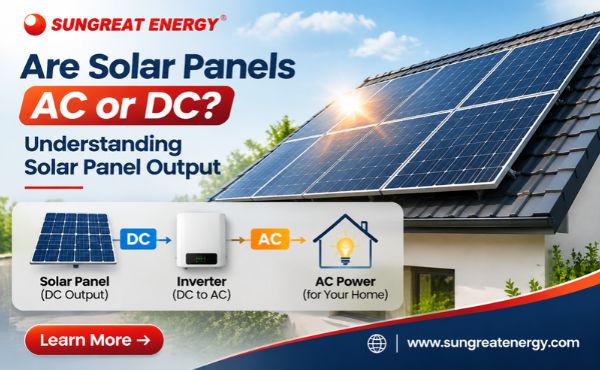
¿Los paneles solares son de corriente alterna (CA) o de corriente continua (CC)? Entendiendo la salida de los paneles solares.

Los paneles solares producen electricidad de corriente continua (CC). Las células fotovoltaicas dentro de los paneles generan energía de CC cuando la luz solar llega al semiconductor […]

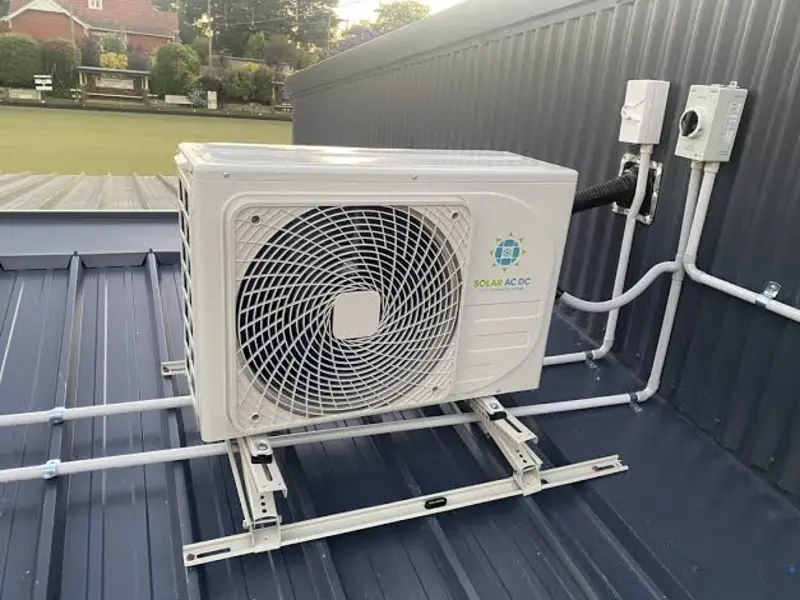
¿Por qué los aires acondicionados solares de Sungreat Energy están ganando popularidad a nivel mundial? (Portada)

A medida que las temperaturas globales siguen alcanzando máximos históricos, la demanda de energía solar para la refrigeración residencial y comercial ha aumentado drásticamente. Tradicionalmente […]

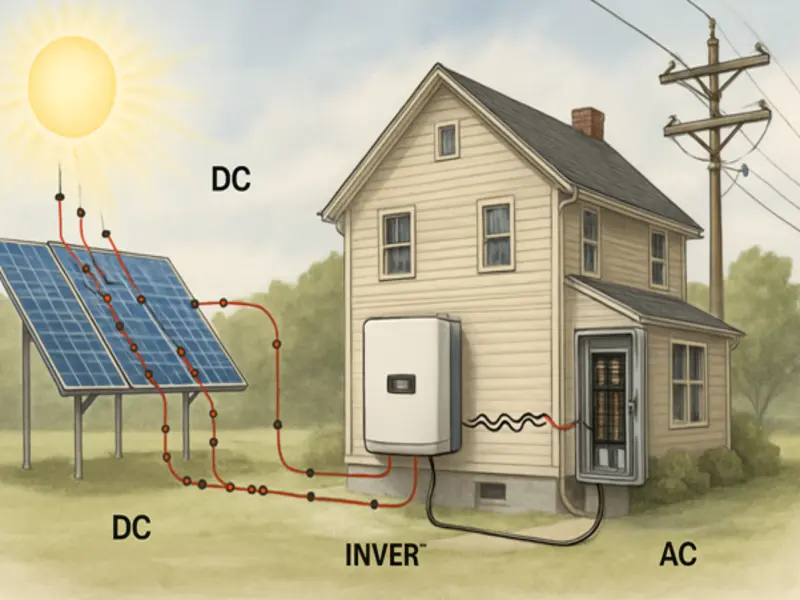
CA vs. CC: Entendiendo el lenguaje de su sistema de energía solar PRINCIPAL

Cuando te pases a la energía solar, oirás mucho dos términos: CA (corriente alterna) y CC (corriente continua). Es posible que […]

Cómo elegir el refrigerador solar adecuado para clínicas remotas

Para los centros médicos y las comunidades rurales de África subsahariana y América Latina, la refrigeración solar no es un lujo, sino una necesidad básica.

Ir al Inicio

¡Obtenga una cotización gratis ahora!

Formulario de Contacto
Si tiene alguna pregunta, no dude en ponerse en contacto con nosotros.
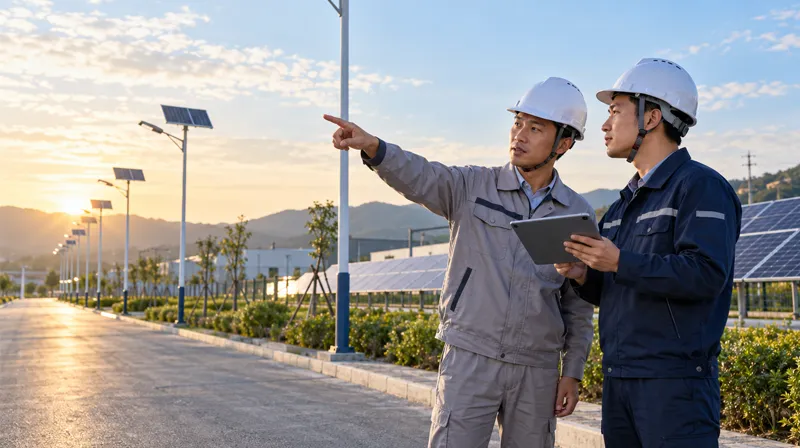
Ingenieros discutiendo un proyecto personalizado de alumbrado público solar y energía fotovoltaica.